The 5-Minute Bride: Why Your Planning Should Happen on Your Phone
Photo: PINTEREST
Not that long ago, wedding planning meant sitting down at a desk with a laptop, a stack of printouts, and maybe a binder you swore you’d keep organized. You’d “set aside time” to plan, usually on a Sunday afternoon, and hope life didn’t get in the way. For most modern brides, that setup just doesn’t exist anymore.
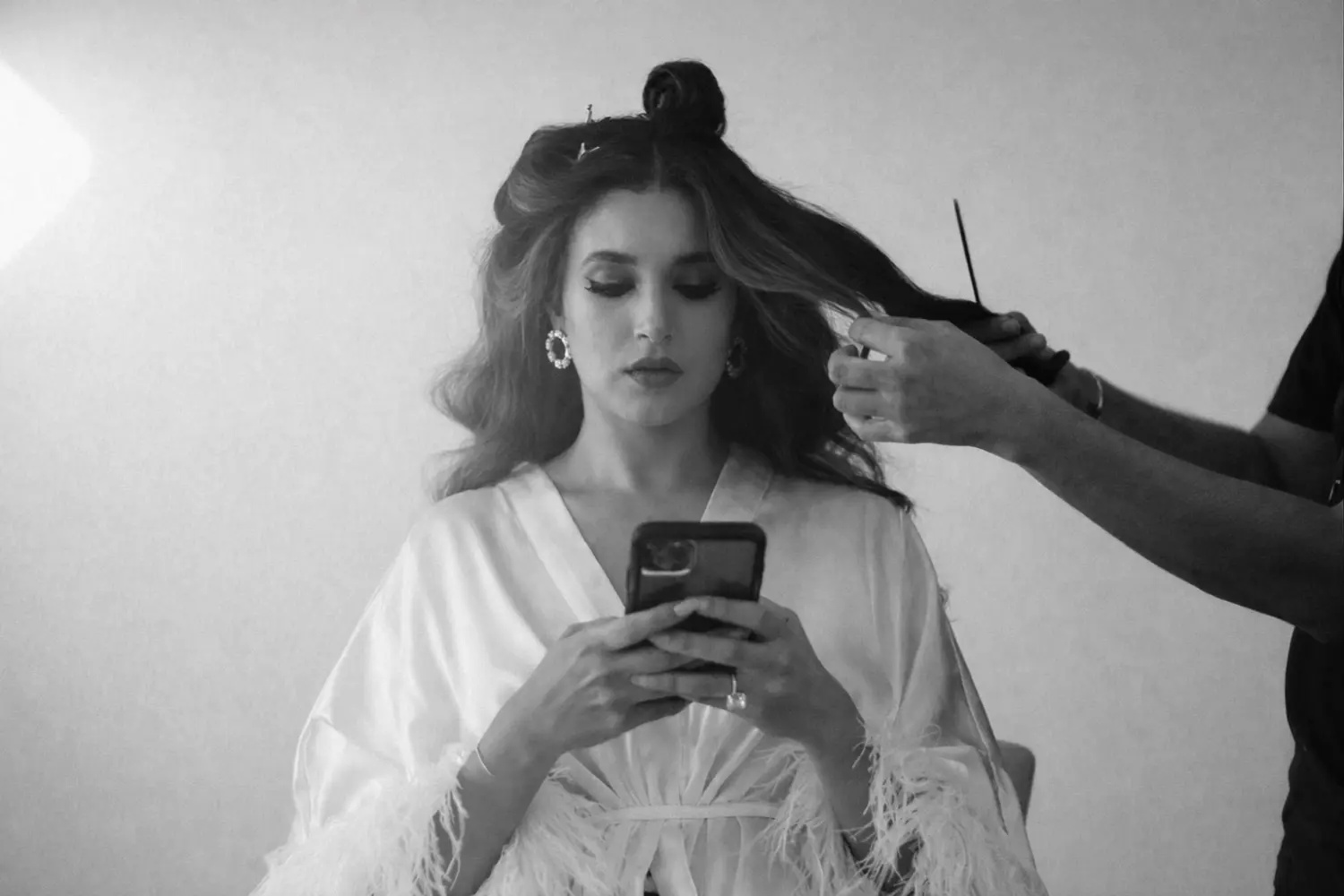
Today, planning happens in pieces. Five minutes here, ten minutes there. On the train, between meetings, while waiting for a coffee. That’s why mobile-first wedding planning isn’t a trend so much as a reflection of reality. Your phone is already where your ideas live, your messages happen, and your decisions get made. Wedding planning has simply followed you there.
As couples juggle work, relationships, and everyday life, planning a wedding on the go feels natural. With better apps, faster sites, and content that’s actually readable on a small screen, wedding planning no longer requires long, uninterrupted sessions. It fits into the cracks of your day, which, honestly, is where most life happens anyway.
Why the Modern Bride Is Mobile-First
Most brides aren’t sitting at desks dreaming up seating charts. They’re living full lives. Phones are always nearby, which makes them the most realistic place for planning to happen. Mobile-first wedding planning isn’t about cutting corners; it’s about working with the time you actually have.
Instead of waiting for the “right moment” to plan, brides are fitting decisions into everyday life. You might compare venues while commuting, save dress inspiration while scrolling at night, or answer a vendor message during lunch. It’s not chaotic, it’s efficient in a very human way.
Design has shifted to support this. Mobile platforms now assume you’re distracted, short on time, and probably tired. Buttons are easier to tap, text is easier to read, and content is broken into pieces that make sense when you only have a few minutes to spare. That change alone has made planning feel far less heavy.
Photo: PINTEREST
Short Attention Spans, Smarter Design
No one is reading massive blocks of text on their phone. That’s why scannable wedding advice has become so important. It’s not about dumbing things down, it’s about making information usable.
Mobile-friendly wedding content tends to rely on:
Clear section headers
Short paragraphs
Bullet points and summaries
Visual breaks
This structure lets brides skim, save, and come back later. You don’t have to absorb everything in one sitting, and you don’t feel bad for not finishing an article. It meets you where you are, which is usually halfway distracted.
Photo: PINTEREST
Always-On Access Beats Perfect Planning Sessions
Ideas don’t show up on a schedule. They pop up while scrolling social media or reading a blog before bed. When your planning tools live on your phone, you can act on inspiration immediately.
Instead of screenshots scattered everywhere or notes you never revisit, everything stays in one place. Over time, that makes planning feel more intentional and less messy. The gap between “I like this” and “I’ve dealt with this” gets much smaller.
Photo: PINTEREST
Wedding Planning Apps 2026: What’s Changed
Early wedding planning apps were basic. They gave you a checklist and maybe a budget tracker, and that was about it. Wedding planning apps 2026 are far more thoughtful. They’re designed to reduce stress, not just store information.
Most modern apps now adjust timelines automatically, connect guest lists with RSVPs, and centralize vendor communication. You’re not constantly updating five different tools anymore. Everything talks to everything else.
Common features now include:
Timelines that shift when dates change
Budget tracking that updates in real time
Vendor messages stored in one place
Shared access for partners or planners
These apps guide you gently, reminding you what’s coming up without making you feel behind.
AI, Automation, and Fewer Decisions
Decision fatigue is one of the most exhausting parts of wedding planning. There are so many choices, and every one feels important. Newer apps help by narrowing things down instead of throwing endless options at you.
Based on your preferences, apps suggest vendors or ideas that actually fit. Automation handles reminders and deadlines quietly in the background. You’re still in control, but you’re not carrying everything mentally. That alone can make planning feel lighter.
Photo: PINTEREST
Planning Together, Without the Chaos
Mobile-first tools also make shared planning easier. Partners can see updates instantly. Planners can access the same timelines. Even family members can be looped in without constant explaining.
Everyone works from the same information, which cuts down on misunderstandings. Fewer crossed wires means fewer stressful conversations, and that’s always a good thing.
Fast Loading Bridal Sites Matter More Than Ever
Speed sounds technical, but it’s deeply emotional when you’re planning a wedding. Fast loading bridal sites matter because slow pages feel frustrating and unprofessional, especially on mobile.
If a site takes too long to load, brides leave. Not because they’re impatient, but because they’re already overwhelmed. Fast sites keep momentum going. They let you browse, compare, and decide without friction.
Modern bridal sites focus on clean layouts, lighter images, and simple navigation. The goal isn’t to impress with complexity, it’s to make things easy.
A beautiful wedding blog means very little if it’s hard to read on a phone. Mobile wedding blog design puts clarity first. Bigger text, shorter paragraphs, and obvious navigation make a huge difference.
Good mobile design helps readers find answers quickly. It doesn’t hide information behind fancy layouts or endless scrolling. The experience feels calm and intuitive, which is exactly what stressed brides need.
Why Visual Hierarchy Matters More Than Ever
Weddings are visual, but mobile screens have limits. The best sites choose one strong image instead of many average ones. They explain why an image matters and guide readers toward the next step.
This balance keeps things inspiring without becoming overwhelming. It’s not about stripping away beauty, it’s about using it thoughtfully.
Photo: PINTEREST
Planning Wedding on the Go: Real Life, Not Theory
Most planning now happens in small moments. Brides confirm vendors while commuting, review contracts between meetings, or check timelines while waiting in line somewhere. Planning a wedding on the go isn’t idealized, it’s practical.
Mobile tools are built for this reality. You don’t need perfect conditions, just a few minutes and your phone. Over time, those minutes add up to real progress.
Turning Dead Time Into Small Wins
Waiting rooms and travel time become opportunities instead of wasted moments. Instead of scrolling aimlessly, you’re ticking off tasks. Each small win builds confidence and reduces stress.
Planning starts to feel doable instead of endless, which changes your entire mindset.
Photo: PINTEREST
Less Burnout, More Balance
Because planning is spread out, it doesn’t take over your life. You’re not sacrificing weekends or sleep. That balance matters more than most people realize, especially during long engagements.
Digital Wedding Checklists Replace the Binder
The traditional wedding binder had its charm, but digital wedding checklists are simply easier. They’re always with you, easy to update, and impossible to lose.
Digital checklists adjust as plans change. Tasks move automatically. Reminders show up when needed. You don’t have to rewrite anything or start over when plans shift.
Benefits include:
Real-time updates
Shared access
Automatic reminders
Less physical clutter
It’s organization without pressure.
Photo: PINTEREST
Customization That Feels Realistic
Modern checklists adapt to different types of weddings. Big, small, destination, or casual, the list changes with you. That flexibility keeps planning grounded in reality instead of expectations.
Peace of Mind in Your Pocket
Knowing everything is tracked for you is surprisingly comforting. You don’t have to remember every detail. Your phone handles that, freeing you to enjoy the process more.
Photo: PINTEREST
Scannable Wedding Advice Fits How We Actually Read
Long articles still matter, but only if they work on mobile. Scannable wedding advice respects the fact that people read in short bursts.
Clear headings, bullet points, and summaries make advice usable. You can skim now and come back later without feeling lost. That flexibility makes content more helpful, not less.
Expert Advice Without the Lecture
Expert insight is still valuable, but delivery matters. Short, practical tips feel supportive instead of overwhelming. Mobile-friendly advice feels like help, not homework.
Photo: PINTEREST
Modern Bride Mobile Tools: The New Normal
The modern bride’s toolkit is digital by default. Modern bride mobile tools include apps, shared documents, cloud storage, and reminders. Together, they create a system that works quietly in the background.
When tools are connected, updates happen automatically. A guest list change affects seating. A budget update reflects everywhere. Less manual work means fewer mistakes.
Some examples:
Combines wedding registry with planning tools like guest list management, digital invitations, budgeting, and wedding websites.
Focuses on guest experience with free wedding websites, digital RSVPs, messaging, seating charts, and photo sharing. Appy Couple. Premium app primarily for wedding websites, timelines, communication and guest coordination.
Known for planning and budgeting tools with vendor listings and checklists; widely used in Europe.
Social platforms like Pinterest also serve as inspiration hubs even if they aren’t traditional planners.
Confidence Through Visibility
Having everything accessible builds confidence. You always know where things stand. That clarity reduces anxiety and makes planning feel more controlled, even when plans change.
The idea of the “5-minute bride” isn’t about rushing through decisions. It’s about using time realistically. Mobile-first wedding planning allows progress to happen in small, manageable moments without sacrificing care or quality.
From wedding planning apps 2026 to fast loading bridal sites, the industry has finally adapted to how people actually live. Your phone isn’t a distraction from planning, it’s the place where planning naturally happens. Five minutes at a time is often more than enough.
This website uses cookies to improve the user experience and optimize its performance. By continuing to use this website, you agree to the use of cookies on this website.
Read more

 share
share



.webp)
.webp)
.webp)
.webp)
.webp)
.webp)
.webp)
.webp)
.webp)
.webp)


