There’s something interesting happening with weddings right now, and it’s not loud. It’s not about the next big color or a viral ceremony idea. If anything, wedding trends for 2026 feel quieter, slower, and more grounded than what we’ve seen in the last decade.
Couples are still inspired by beautiful things — fashion, design, travel, food — but they’re less interested in performing a wedding for an audience. Even social media-heavy couples are asking different questions during planning. Not “Will this photograph well?” but “Will this feel good?” or “Will we actually enjoy this part?”
That shift is shaping weddings in subtle ways. Some are practical. Some are emotional. Some come from burnout, honestly. After years of big expectations, postponed celebrations, and financial pressure, couples are choosing weddings that fit into real life instead of trying to escape it for a day.
So when we talk about wedding trends in 2026, we’re not really talking about rules or aesthetics you have to follow. We’re talking about patterns — small changes that keep showing up across different types of weddings, budgets, cultures, and locations.
Here’s what weddings are starting to look like now.
The Move Away From “Perfect”
Perfection used to be the goal. The perfectly styled ceremony, the perfectly timed walk down the aisle, the perfectly choreographed reception. In 2026, perfection feels a little outdated.
Couples aren’t careless — they still plan, they still care — but they’re more accepting of things unfolding naturally. Wind in the hair. A dress wrinkling by hour three. A speech that runs long. A kid having a meltdown during vows. These moments are no longer seen as failures. They’re part of the day.
You can feel this shift most clearly in ceremonies. Many are shorter, less scripted, and more personal. Couples are choosing to write their own vows even if they’re awkward writers. Some skip readings entirely. Others ask friends to speak instead of officiants delivering something overly polished.
There’s a sense that weddings don’t need to prove anything anymore.
Photo: PINTEREST
Aesthetics Are Softer, Not Simpler
Minimalism isn’t exactly the right word for wedding design in 2026. It’s more like softness. Less contrast. Fewer hard edges.
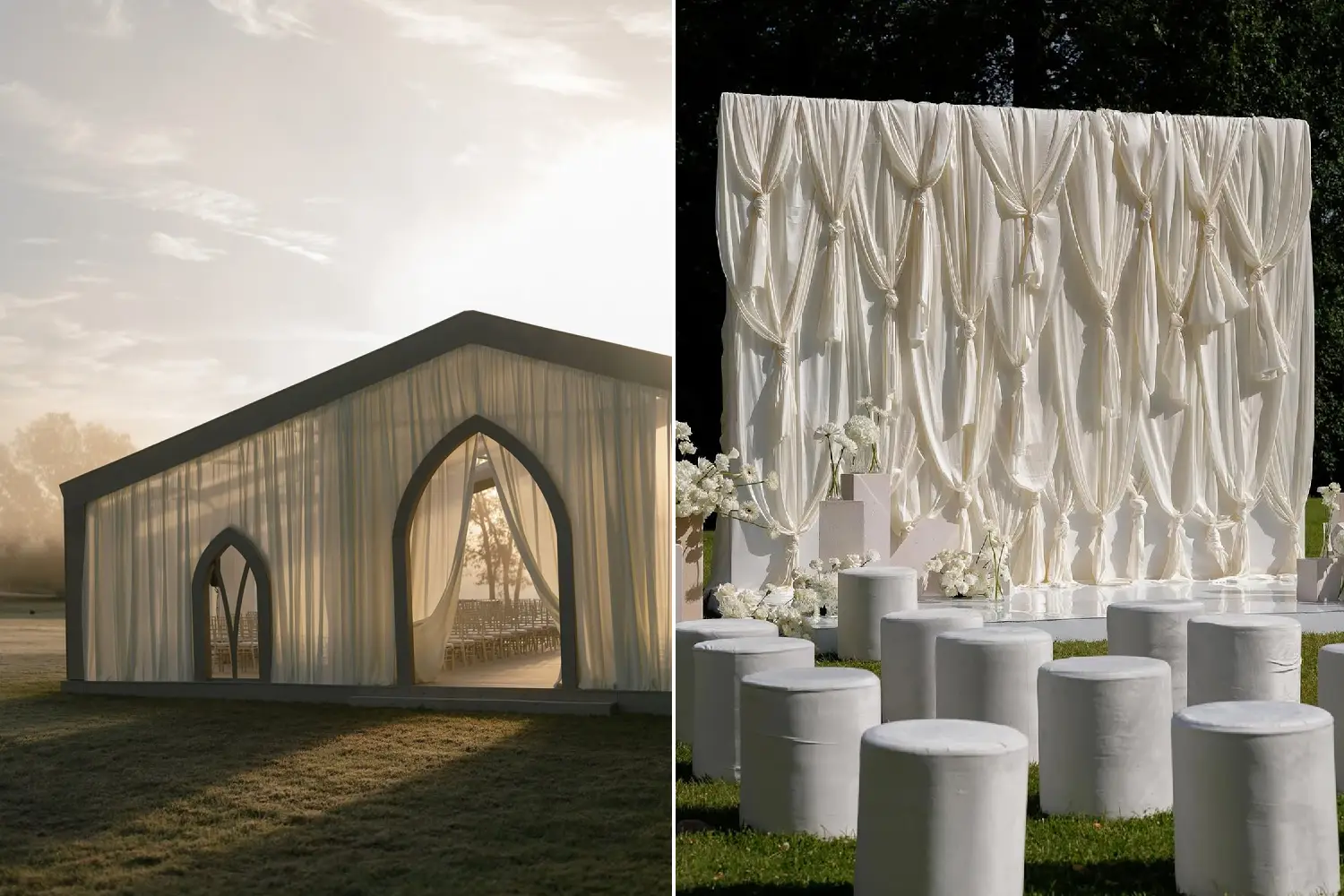
Spaces feel layered rather than styled. Linen tablecloths instead of crisp white. Candles that don’t perfectly match. Chairs that don’t all come from the same set. Nothing looks unfinished, but nothing looks too controlled either.
Instead of choosing a single “theme,” couples are pulling from multiple references: a color from a favorite trip, a fabric texture they love, a flower that reminds them of home.
The result is weddings that don’t immediately fit into a category. Not boho, not modern, not classic — just personal.
Lighting plays a big role here. Warm light, shadows, candle glow, dusk ceremonies. Harsh overhead lighting is avoided whenever possible. Couples want the room to feel like evening, even during the afternoon.
Photo: PINTEREST
Color Is Present
Color hasn’t disappeared, but it’s being used differently.
In 2026, color shows up in quieter ways: a pale blue napkin against a neutral table, soft green stationery instead of bright white, bridesmaid dresses in similar tones but not the same shade.
There’s less interest in “statement colors” and more in palettes that feel calm. Cream, sand, stone, olive, muted lavender, dusty blue, soft clay. These colors feel natural and age well — which matters more than people admit.
Couples are also less worried about everything matching exactly. Bridesmaids can wear different fabrics. Flowers don’t have to mirror stationery. Shoes don’t need to be identical. That looseness makes the whole day feel more relaxed.
Photo: PINTEREST
Flowers Are Thoughtful, Not Excessive
Florals are still important, but the mindset has changed.
Instead of filling every surface, couples are choosing where flowers actually matter. A ceremony installation that frames the moment. A few arrangements at the reception that draw people together. Greenery and texture replacing sheer volume.
Reusing florals is common now. Ceremony arrangements move to the bar. Aisle flowers become centerpieces. This isn’t framed as a trend so much as common sense.
There’s also more openness to seasonal flowers that aren’t trendy, potted plants, and dried or preserved elements
Florals feel less like decoration and more like part of the environment.
Photo: PINTEREST
Dresses That Work With the Day, Not Against It
Bridal fashion in 2026 is quietly practical.
Dresses are lighter. Fabrics move. Silhouettes allow sitting, hugging, eating, dancing — all the things people actually do at weddings.
Many brides choose dresses that change throughout the day, not because it’s flashy, but because it makes sense. A removable overskirt. Sleeves that come off. A second look that’s simpler and easier to move in.
There’s less interest in “this is my bridal moment” and more interest in “this feels like me.”
Vintage and second-hand dresses are more common, especially among couples who care about sustainability or simply don’t connect with traditional bridal retail. Alterations are embraced. Imperfections are accepted.
Shoes matter too. Comfort is no longer something brides apologize for. Flats, block heels, boots, even sneakers — all normal now.
The stiff, identical tux look is giving way to more personal choices. Softer tailoring. Different textures. Jackets that come off early and stay off. Shirts without ties. Footwear that reflects actual taste.
Colors are warmer. Browns, tans, greens, blues. Black still exists, but it’s not automatic.
Partners are also styling themselves more intentionally. Jewelry, watches, personal details that mean something. The look feels worn-in rather than rented.
Photo: PINTEREST
Beauty That Looks Like a Real Person
Wedding beauty trends for 2026 are refreshingly realistic.
Makeup still exists — this isn’t about no makeup — but it’s lighter, more breathable, and more customized. Brides want to recognize themselves. They want their skin to look like skin. Texture isn’t erased completely.
Hair follows the same approach. Styles are chosen based on how they’ll hold up over time, not just how they look in the first photo. Soft waves, low buns, half-up styles that can be touched up easily.
There’s less pressure to look flawless all day and more acceptance that faces change when you cry, laugh, sweat, and hug people for hours.
Photo: PINTEREST
Smaller Guest Lists, Different Energy
One of the biggest shifts in weddings leading into 2026 is guest count.
This isn’t about elopements replacing weddings — it’s about intention. Many couples are choosing smaller lists because they want to actually spend time with the people there. They want conversations, not just quick hellos.
Smaller weddings change everything: timelines slow down, meals become more meaningful, energy feels calmer.
Guests notice it too. They feel more included, more present.
Large weddings still exist, of course, but even those are being structured differently — with lounges, quiet spaces, and flexible schedules so guests aren’t rushed from one moment to the next.
Photo: PINTEREST
Guest Comfort Is No Longer Optional
In 2026, guest experience isn’t a buzzword — it’s a baseline expectation.
Couples are thinking about shade at outdoor ceremonies, weather backups that don’t feel like punishment, comfortable seating, and clear schedules and directions.
Welcome drinks. Easy transportation. Clear signage. These things don’t show up in photos, but they shape how the day feels. Couples are paying attention to that now.
Multi-Day Celebrations Without the Pressure
Instead of one packed day, many weddings now unfold over a weekend.
A casual welcome gathering. A relaxed wedding day. A brunch or coffee meet-up the next morning. Nothing overly produced. No required attendance at everything.
This format allows guests to connect naturally. It also takes pressure off the wedding day itself. If you don’t talk to everyone for long, it’s okay — you probably saw them yesterday or will tomorrow.
These events feel more like hosting than performing, which is exactly why couples like them.
Photo: PINTEREST
Technology That Stays in the Background
Wedding tech in 2026 is subtle.
Digital RSVPs are standard. Websites are clear and useful. Some couples livestream ceremonies for guests who can’t attend, but without turning the wedding into a production.
Planning tools are better too. Budgets, timelines, vendor communication — all easier to manage. This reduces stress, which might be the most important trend of all.
What’s not trending? Over-the-top tech moments. Couples don’t want screens everywhere. They want people present.
Sustainability Without Announcements
Sustainability has stopped being a headline and started being a habit.
Couples are choosing local vendors. Seasonal food. Rental furniture. Reusable décor. Not because it’s trendy, but because it aligns with how they live the rest of their lives.
They’re skipping favors that end up in the trash. They’re donating flowers. They’re choosing fewer things, better things.
Photo: PINTEREST
Food That Feels Familiar
Wedding food in 2026 feels more personal.
Instead of formal plated dinners that everyone forgets, couples are choosing meals that reflect their backgrounds, families, or favorite places. Shared plates. Family-style meals. Food stations that encourage movement and conversation.
Cultural traditions are more visible and more respected. Not watered down. Not “modernized” for appearance.
Dessert tables are replacing massive cakes. Late-night snacks are common. Guests leave full, which sounds obvious, but wasn’t always.
Photo: PINTEREST
Drinks That Include Everyone
Bar culture has changed.
Zero-proof cocktails are now expected, not an afterthought. Mocktails are thoughtful and well-designed, not just juice in a fancy glass.
This makes weddings feel more inclusive. Guests who don’t drink don’t feel singled out. Guests who do still enjoy great options.
It’s a small detail that makes a big difference.
Photo: PINTEREST
Entertainment That Doesn’t Feel Forced
Entertainment in 2026 weddings is less about spectacle and more about atmosphere.
DJs and bands are still popular, but couples are also adding live musicians during dinner, acoustic sets, interactive elements that guests can engage with or ignore
There’s less pressure to keep everyone dancing every minute. Some people want to talk. Some want to sit. Some want to dance all night. All of that is okay.
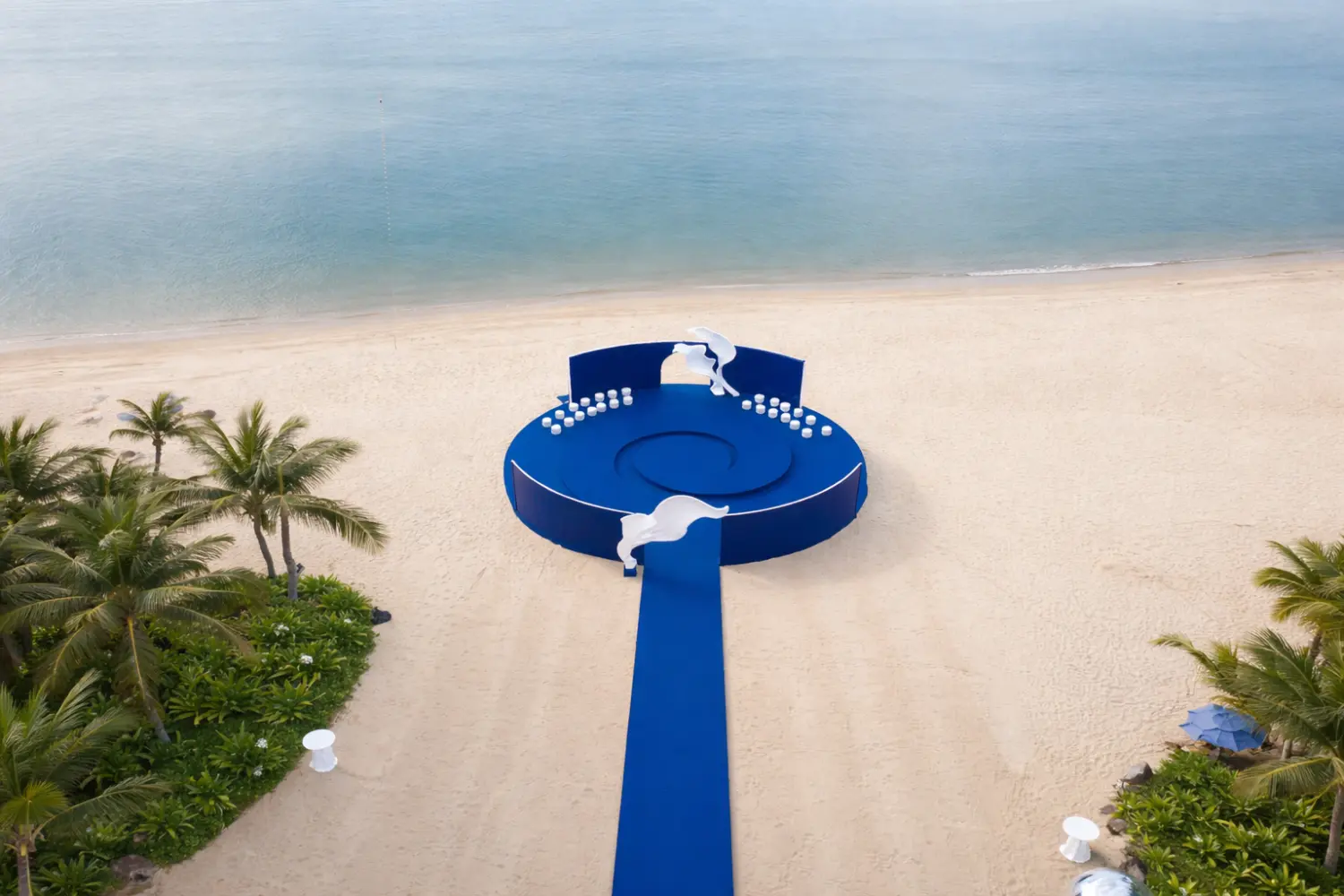
Couples are choosing places that feel meaningful or practical rather than impressive. Restaurants. Homes. Small inns. Galleries. Outdoor spaces with simple infrastructure.
Destination weddings are still popular, but they’re often smaller and slower. Less about luxury resorts, more about meaningful locations and shared experiences.
City weddings are becoming more intimate. Fewer ballrooms, more character.
Photo: PINTEREST
Non-Traditional Timelines Are Normal Now
Brunch weddings. Weekday ceremonies. Short receptions. Early endings.
All of these are normal in 2026.
Couples are designing timelines around how they want the day to feel, not how weddings “should” work. This flexibility also makes weddings more accessible for guests and vendors alike.
Photo: PINTEREST
What This All Adds Up To
Wedding trends in 2026 aren’t flashy. They’re not built for viral moments. They’re built for real people.
Weddings are becoming less about performance and more about presence. Less about proving something and more about sharing something.
Couples want to enjoy their weddings. Guests want to feel welcome. Vendors want to create work that feels meaningful instead of rushed.
That’s the shift.
If you’re planning a wedding in 2026, the biggest trend isn’t a color or a dress or a venue. It’s permission. Permission to choose what fits your life, your people, and your values — even if it doesn’t look like anyone else’s.
And honestly, that’s what weddings were supposed to be all along.
This website uses cookies to improve the user experience and optimize its performance. By continuing to use this website, you agree to the use of cookies on this website.
Read more

 share
share



.webp)
.webp)
.webp)
.webp)
.webp)
.webp)
.webp)
.webp)
.webp)
.webp)
.webp)
.webp)
.webp)
.webp)


