For years, weddings have followed a pretty fixed formula: ceremony, cocktail hour, dinner, speeches, dancing. It works, sure—but it also leaves little room for personality. Lately, couples are starting to question that structure and ask a simple thing: does it actually fit us? That’s where the idea of a non traditional wedding timeline comes in, and honestly, it’s less about rules and more about rhythm.
A deconstructed timeline doesn’t mean chaos. It means creating a flow that feels natural—maybe a cocktail hour first wedding, or even a late night wedding ceremony after guests have settled in. The focus shifts from “what comes next?” to “what feels right?” And once you start thinking this way, a whole range of possibilities opens up, from roaming dinner weddings to fully immersive, progressive wedding reception formats that feel more like a great party than a formal event.
What Is a Deconstructed Wedding Timeline?
A deconstructed wedding timeline is exactly what it sounds like: taking the traditional structure apart and rebuilding it in a way that feels more personal. Instead of following a set sequence, you decide what happens, when, and—importantly—why.
It’s not about being different for the sake of it. It’s about designing a day that flows naturally, both for you and your guests. Some moments might stay the same, others get moved around, and a few might disappear entirely.
Breaking Away from Tradition
Traditional timelines exist for a reason—they’re predictable and easy to manage. But they can also feel rigid. When every wedding follows the same structure, it’s easy for the experience to blur together.
Breaking away doesn’t mean abandoning everything. It just means questioning the default:
Do you need a long seated dinner?
Does the ceremony have to be first?
Can guests mingle more instead of sitting for hours?
A non traditional wedding timeline gives you permission to adjust these elements. You’re not removing meaning—you’re reshaping it.
There’s been a noticeable shift toward experiences that feel less staged. Couples want their wedding to feel like a natural extension of how they already host, socialize, and celebrate.
A flexible wedding flow supports that. Instead of tightly scheduled blocks, you allow moments to breathe a little. Conversations last longer. Guests move around. The energy builds more organically.
It also tends to improve guest experience. People aren’t stuck waiting between events or sitting through long transitions. Everything feels a bit more alive. Not perfect, maybe, but definitely more memorable.
Once you step outside the traditional structure, the order of events becomes surprisingly flexible. And that’s where things start to get interesting.
Cocktail Hour First Wedding: Starting with Energy
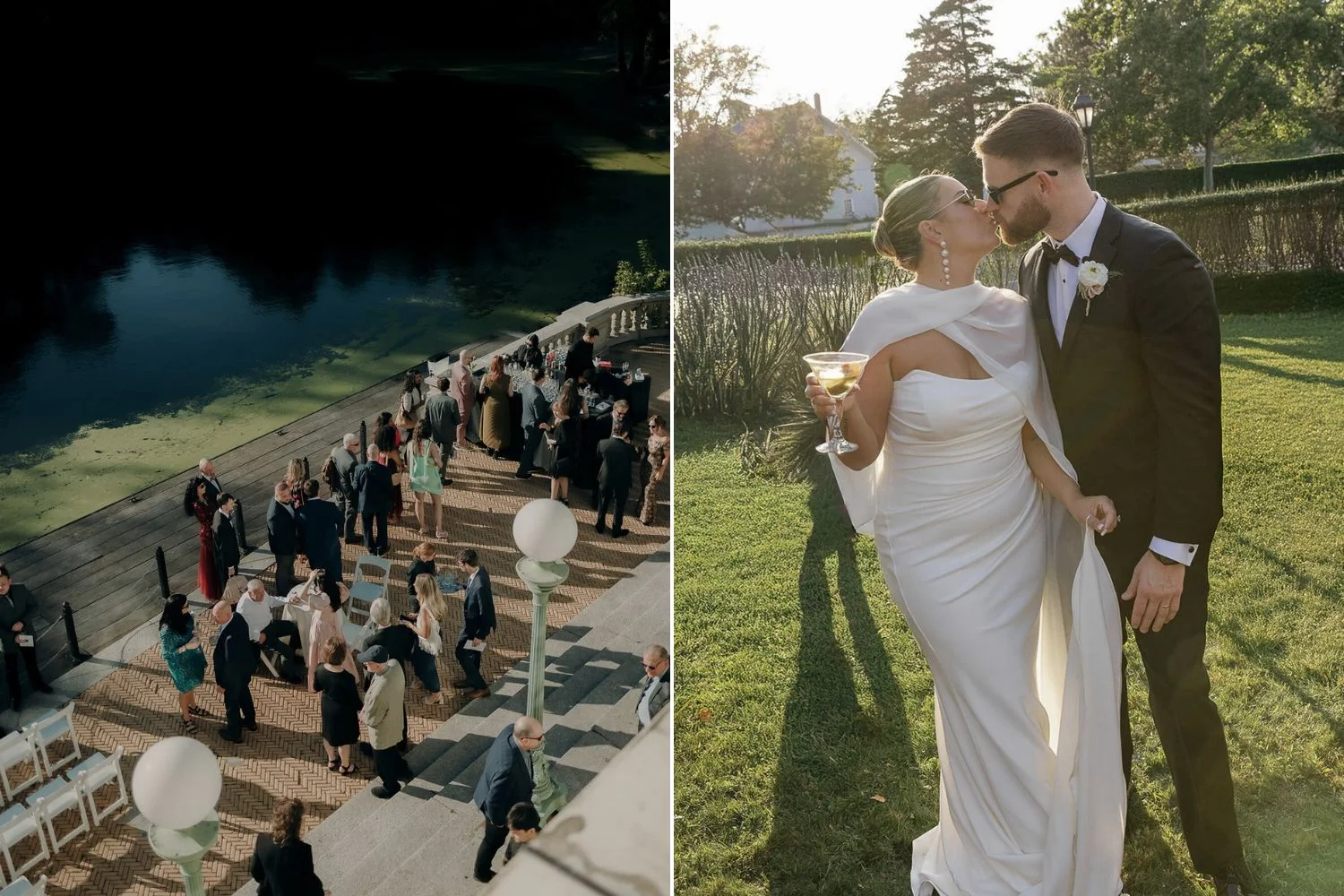
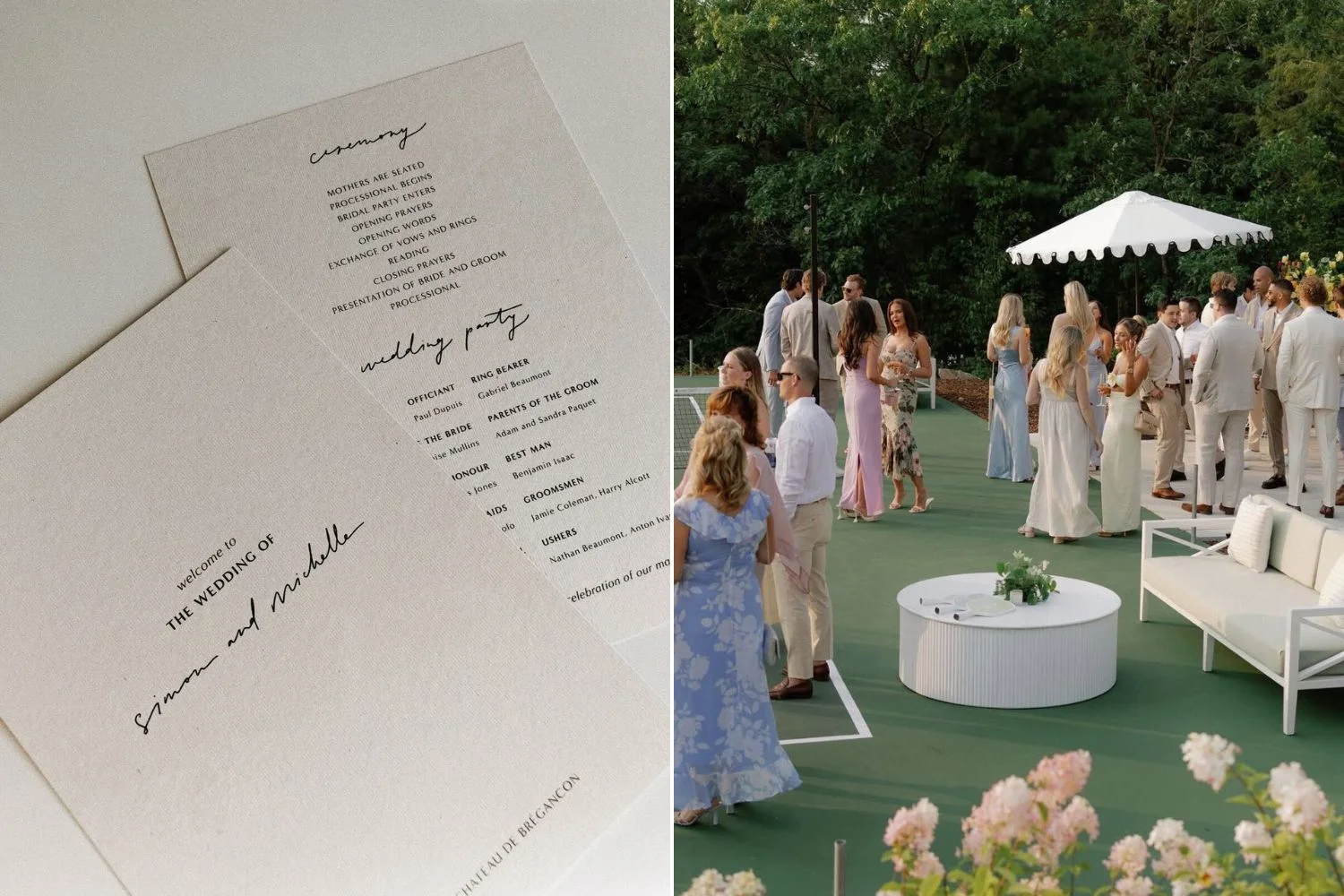
A cocktail hour first wedding flips the usual script in the best way. Instead of guests arriving and immediately sitting for a ceremony, they’re welcomed with drinks, music, and movement. It breaks the ice quickly and sets a relaxed tone.
This works especially well for larger guest lists, outdoor or destination weddings, and couples who want a social, less formal vibe.
After guests have had time to mingle, the ceremony feels more intimate—even with a crowd. People are more present, less stiff. It’s a subtle shift, but it changes the energy quite a bit.
Late Night Wedding Ceremony: Flipping Expectations
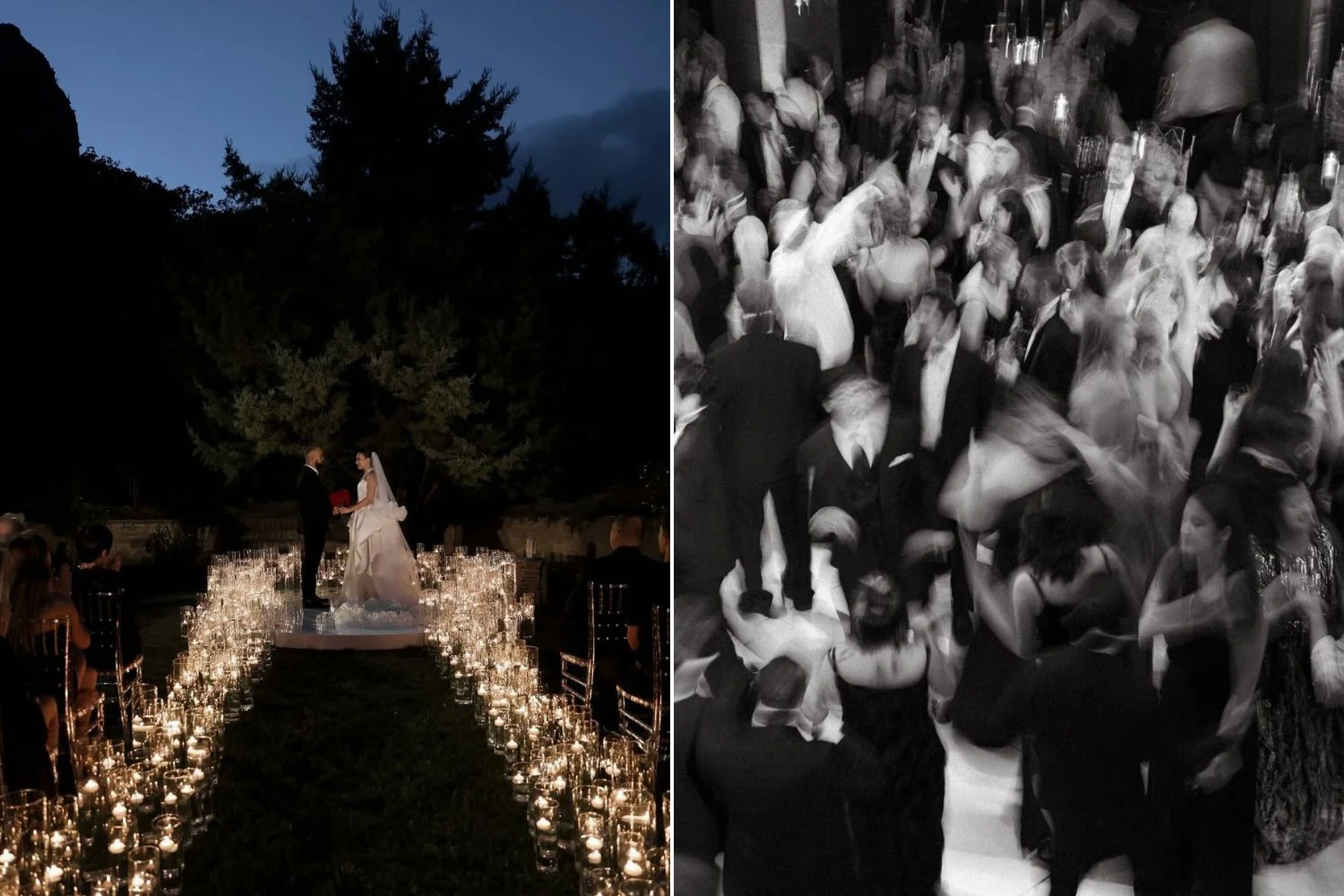
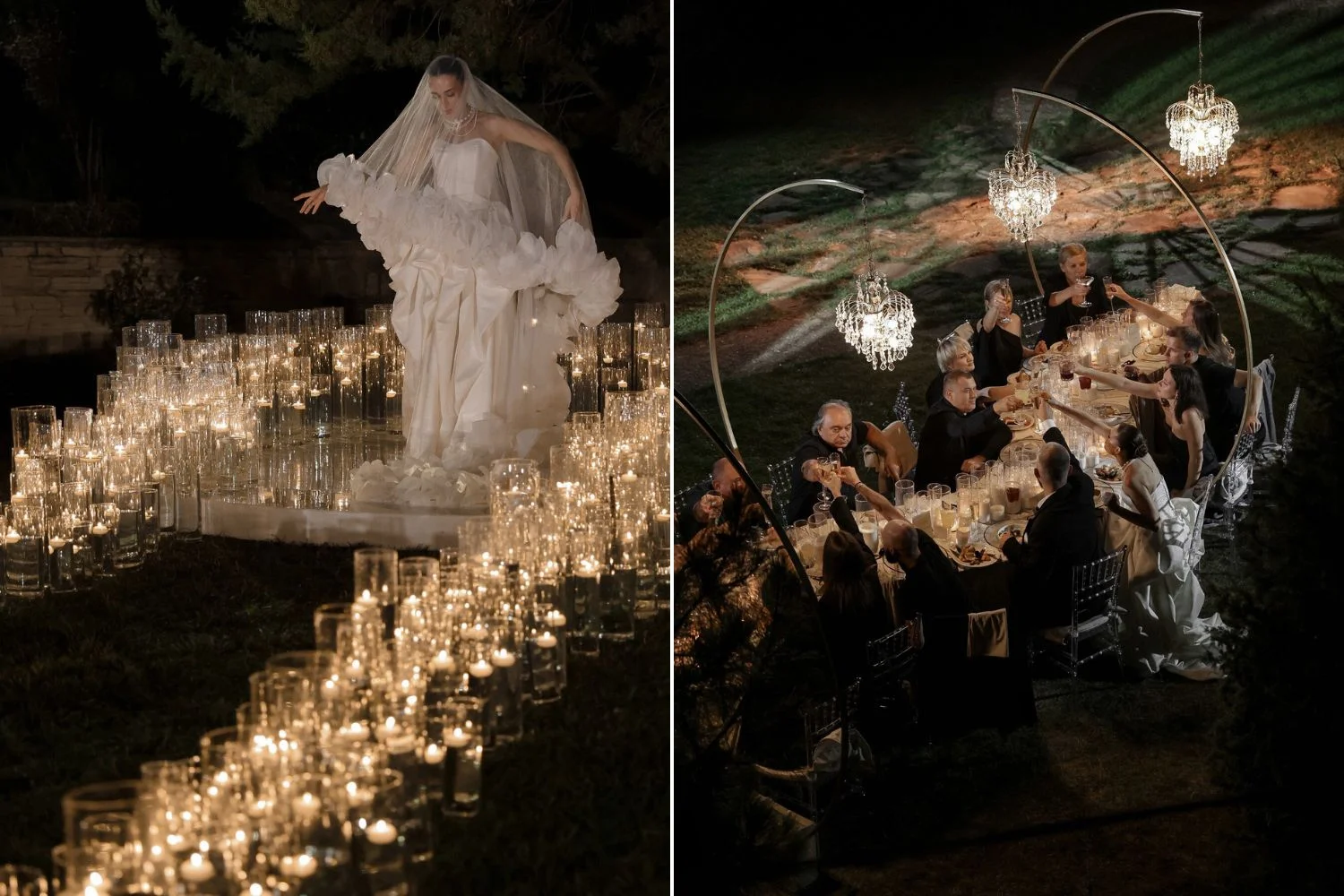
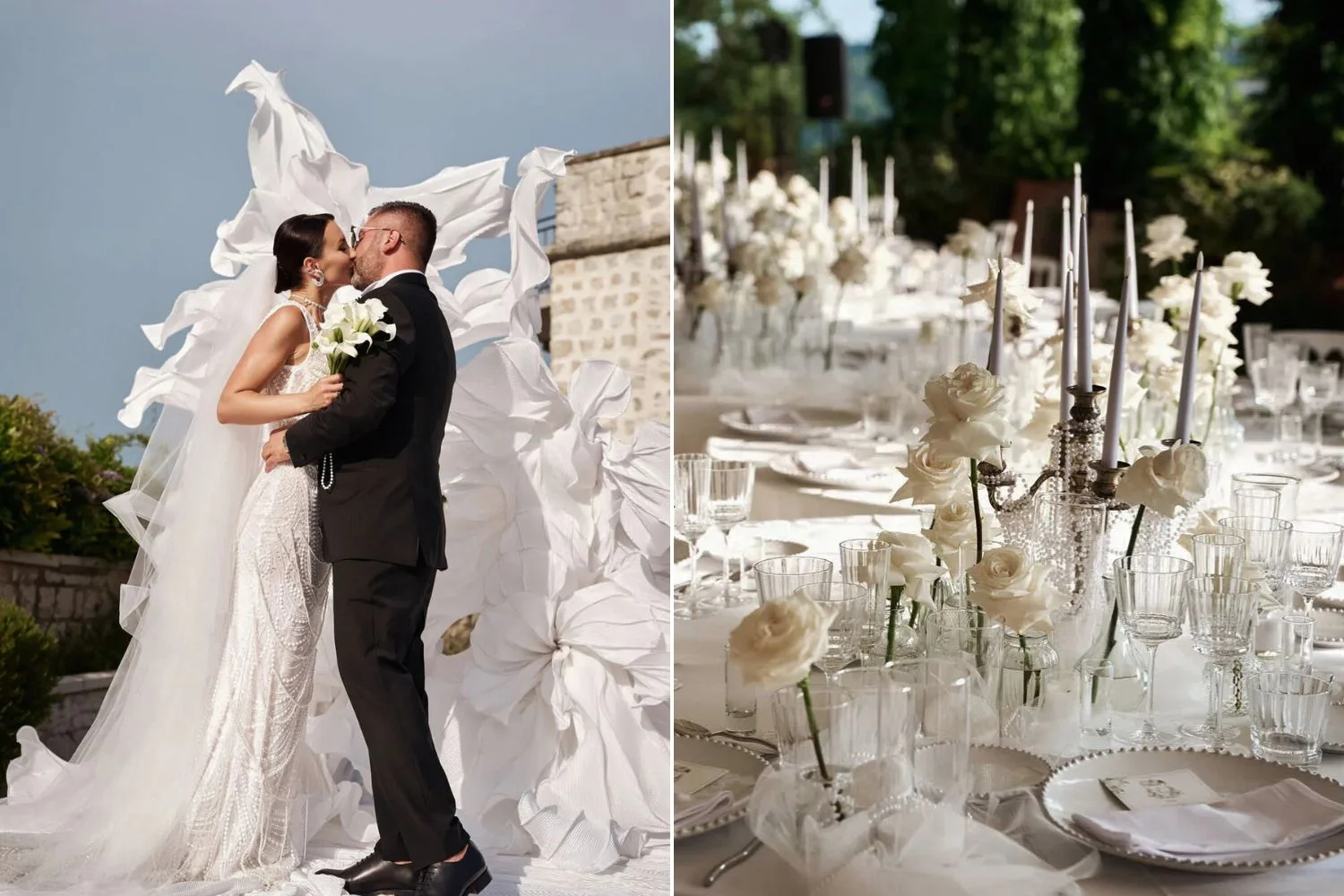
A late night wedding ceremony is a bit unconventional, but it can be incredibly impactful. Imagine an evening that builds slowly—drinks, conversation, maybe even dinner—and then, just when the energy peaks, the ceremony begins.
It creates anticipation. The ceremony becomes the emotional high point, not just the starting line.
This approach works best when guests are comfortable with a relaxed schedule, the venue supports evening transitions, and the lighting (candles, string lights) enhances the atmosphere.
It’s less traditional, sure—but also more cinematic in a way.
Photos: MYRONOVA PHOTO
The Rise of Progressive Wedding Receptions
One of the most interesting shifts in modern weddings is the move toward experiences that unfold over time, rather than staying in one place.
What Is a Progressive Wedding Reception?
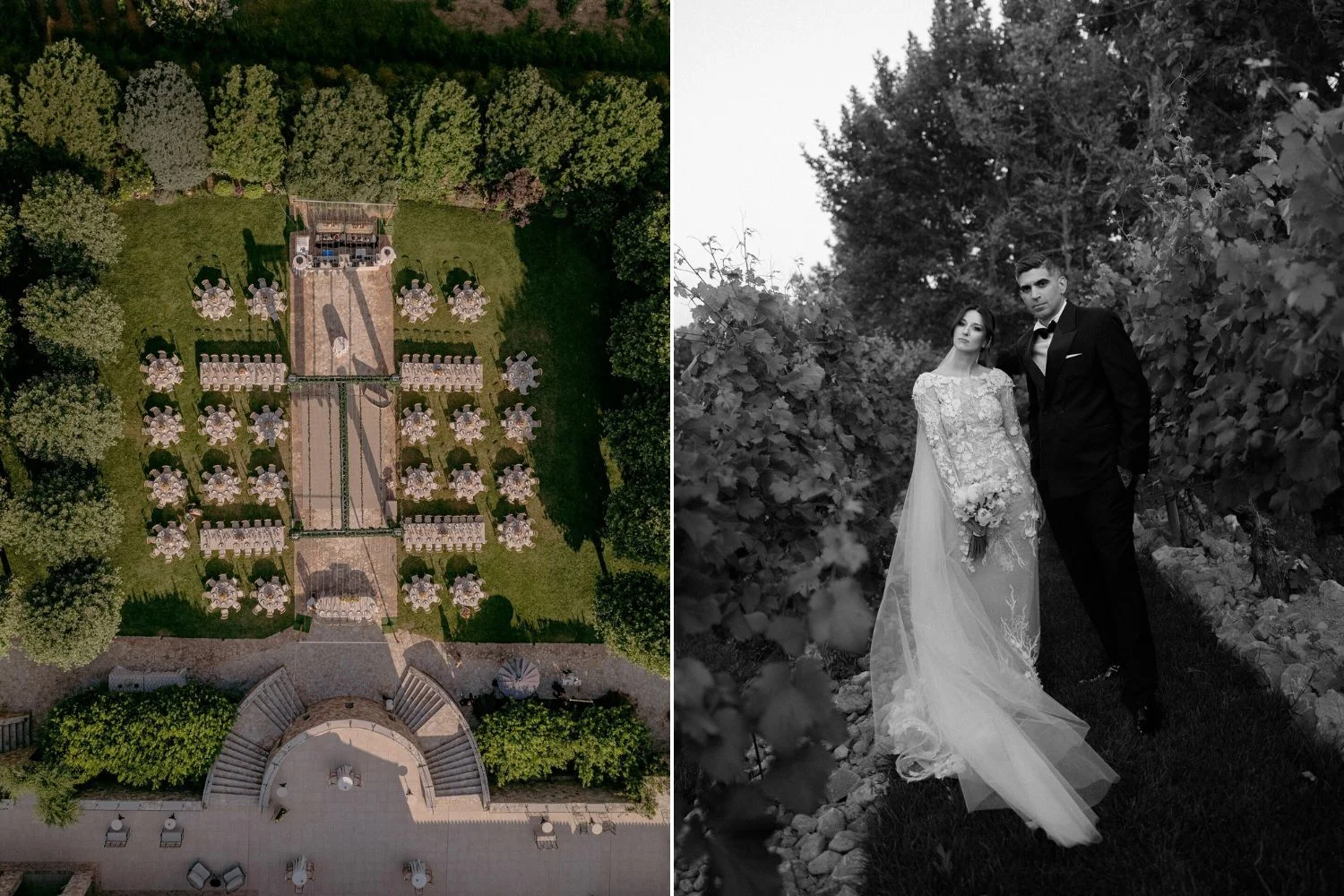
A progressive wedding reception guides guests through different spaces or phases of the celebration. Instead of a single room with a fixed setup, the event evolves.
For example:
Phase
Experience
Arrival
Drinks in a garden
Dinner
Seated or semi-seated indoors
Late Night
Dancing in a different space
This movement keeps the event dynamic. Guests feel like they’re discovering something new rather than staying in one place all night.
How a Roaming Dinner Wedding Works
A roaming dinner wedding removes the idea of assigned seating and formal courses. Instead, food is served across stations, passed around, or introduced in waves.
Guests eat when they want, where they want. It’s more social, less structured.
Benefits include more interaction between guests, less downtime between courses, and a relaxed, dinner party wedding feel.
The key is balance. You still need enough food, enough seating, and a clear flow so it doesn’t feel disorganized. When done well, it feels effortless—even if it’s carefully planned behind the scenes.
Designing a Dinner Party Wedding Experience
At its best, a deconstructed timeline starts to feel less like an event and more like a really good gathering. That’s where the dinner party wedding idea comes in.
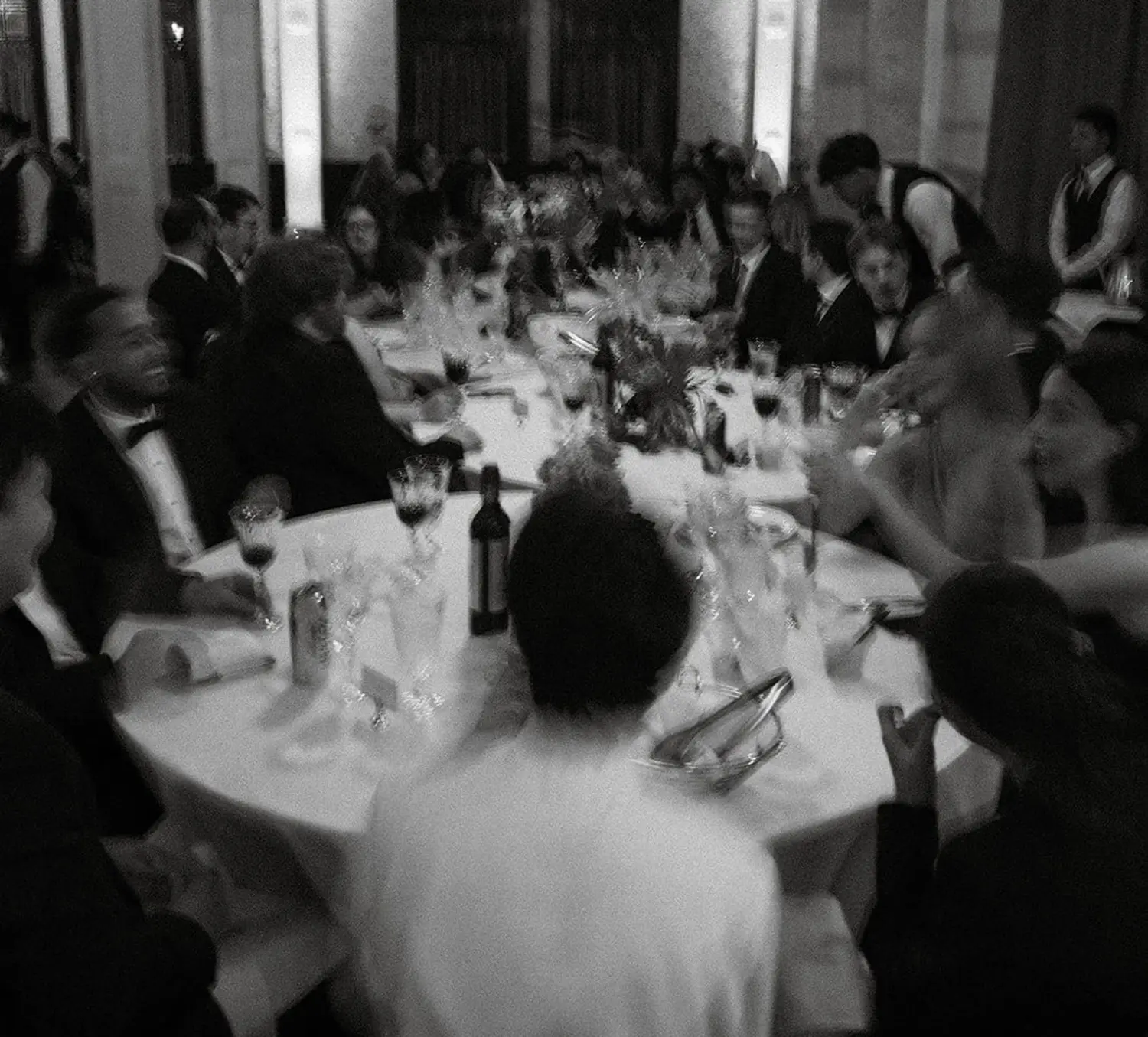
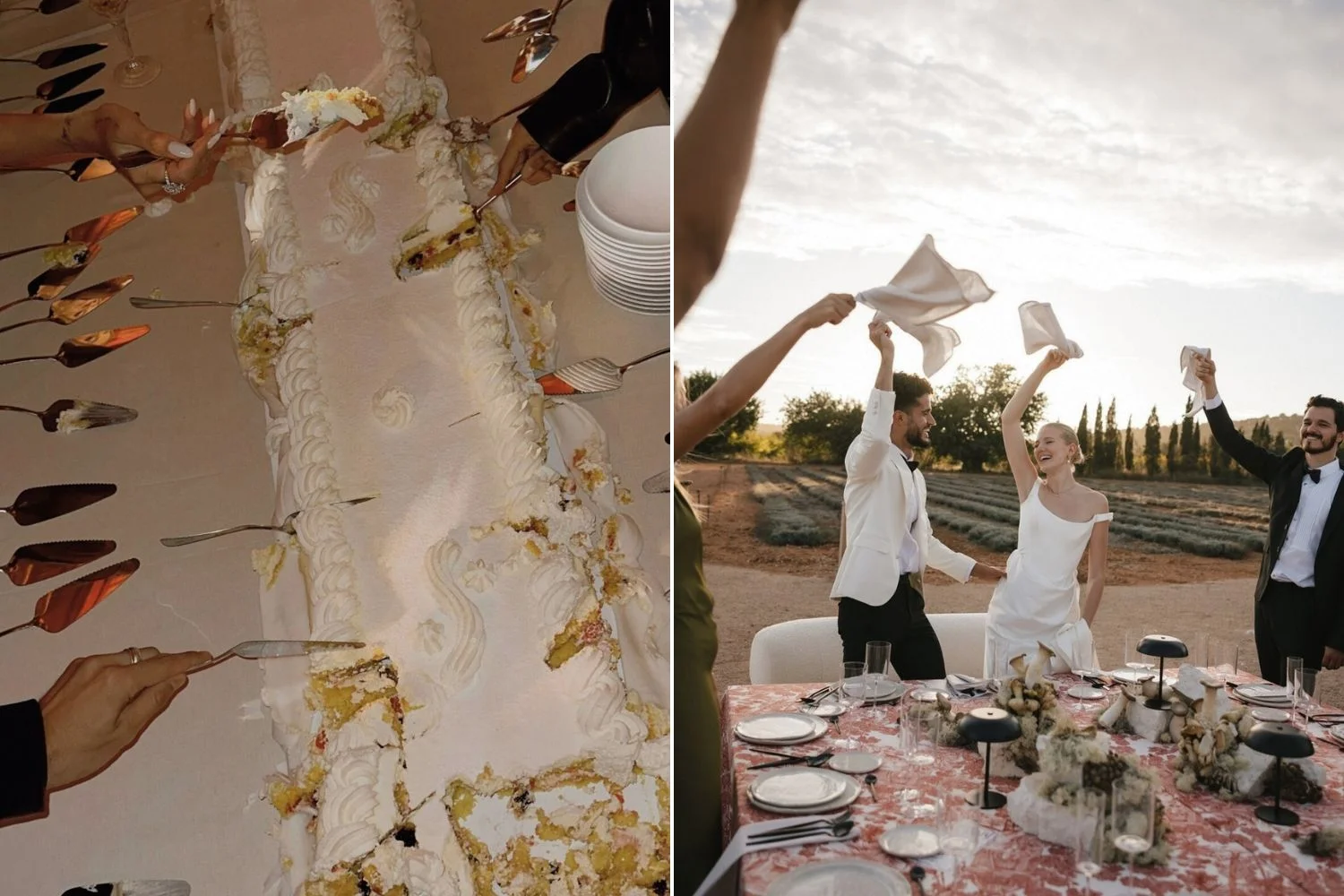
A dinner party wedding focuses on connection. The goal isn’t to impress—it’s to bring people together in a way that feels natural.
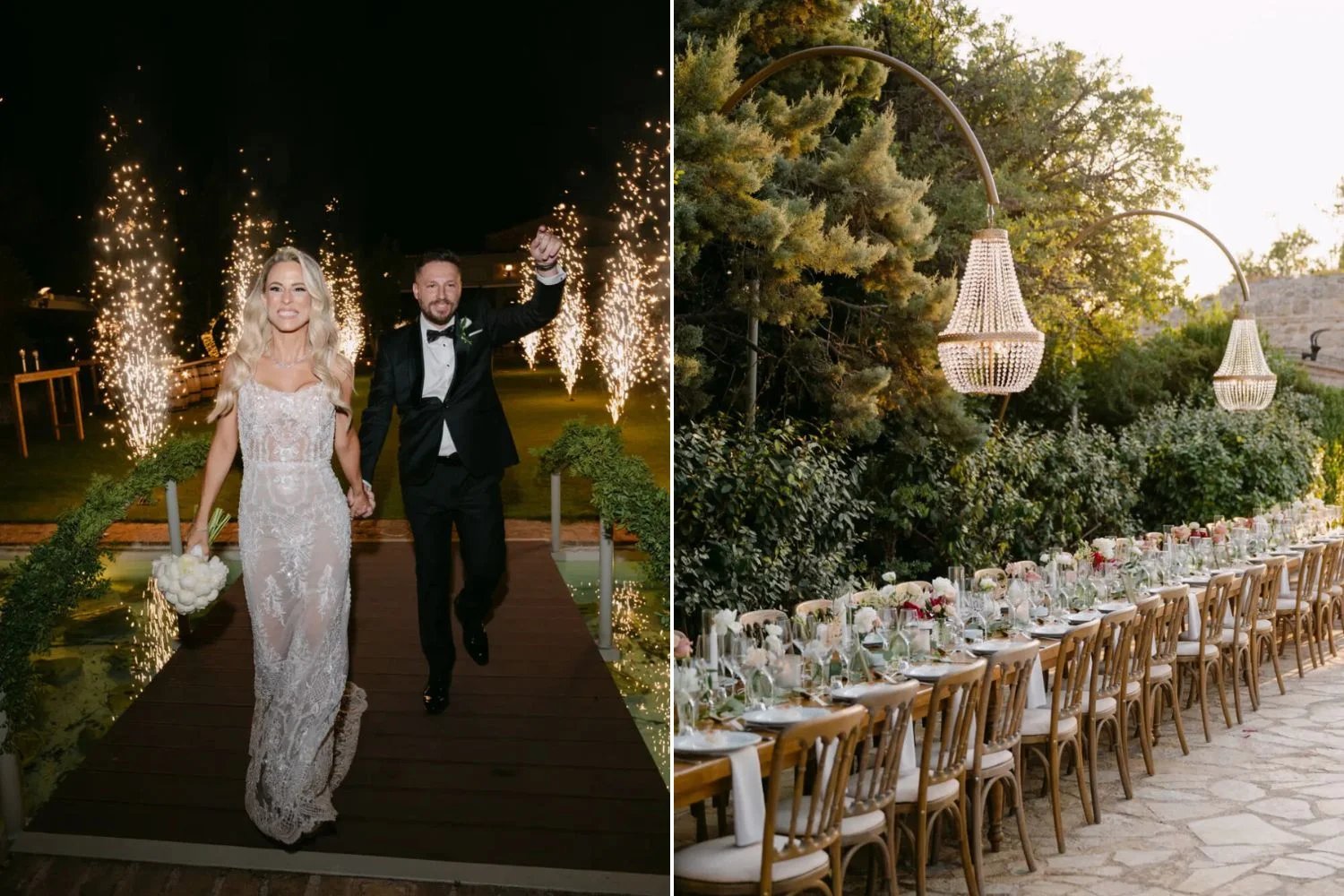
You might use, long tables instead of rounds, shared dishes instead of plated meals, and soft lighting and minimal décor.
This setup encourages conversation. People linger, talk, and actually enjoy the meal instead of rushing through it.
It’s quieter than a big reception, but not boring. Just more intentional.
Photo (right): BECKY WRIGHT
Balancing Structure and Spontaneity
Even with a casual wedding flow, you still need some structure. Otherwise, things can drift a bit too much. A good balance looks like loose time markers (not strict schedules), clear transitions between phases, and space for moments to happen naturally.
Think of it like hosting a great dinner party at home. You guide the evening, but you don’t control every second.
Professional wedding planners help bring balance and structure to your celebration.
Momentum Events & Design (Greece) is a boutique agency specializing in bespoke events, carefully crafted to reflect the unique style and story of each couple.
The agency creates dream weddings tailored with genuine care and attention to detail. Its bespoke services begin at €3,000, ensuring exceptional quality, creativity, and a truly personalized experience.
Clients are invited to connect and collaborate in transforming their love story into an unforgettable celebration—because every love story is truly one of a kind.
Nancy Michali (Greece) is a premium wedding planner, specializing in luxury and destination weddings, as well as tailor-made celebrations for modern couples seeking elegance, creativity, and seamless execution.
With a strong background in wedding planning, event design, and coordination, she curates unforgettable wedding experiences across the Greek islands and mainland, bringing each couple’s vision to life with refined detail and expertise.
Valentina Del Lucchese is the founder and creative director of Petit Bouquet (Italy), a boutique wedding planning and design agency based in Tuscany. With a background in communication and event management, she has transformed her lifelong passion for aesthetics, travel, and storytelling into a career devoted to crafting meaningful and refined celebrations for couples from around the world.
Nadia Fry Events (France) is a luxury wedding and event planning studio specializing in refined, tailor-made celebrations worldwide.
The studio brings an international sensibility to every event. With the ability to work across five languages, the team collaborates seamlessly across cultures to design destination weddings that reflect each client’s story, traditions, and values. Their approach is defined by timeless elegance, discretion, and meticulous attention to detail.
Creating an alternative wedding schedule can feel overwhelming at first, mostly because there’s no template. But that’s also the advantage—you get to build something that actually fits.
Key Elements to Consider
Before mapping out your timeline, think about:
Guest experience (Are they comfortable? Engaged?)
Venue layout (Can people move easily?)
Energy flow (Where are the highs and lows?)
Food and drink timing (No one likes being hungry)
These factors shape the overall experience more than the exact timing.
Sample Non Traditional Wedding Timeline
Here’s an example of how a non traditional wedding timeline might look:
Time
Event
4:00 PM
Guests arrive + cocktails
5:30 PM
Light bites / mingling
7:00 PM
Ceremony
7:30 PM
Roaming dinner begins
9:00 PM
Dancing + late-night snacks
It’s flexible, slightly unconventional, but still easy to follow. That’s really the goal.
Photo (right): PABLO LAGUIA
Unique Wedding Reception Ideas That Fit the Flow
Once you’ve built a flexible structure, you can layer in details that make the experience feel personal and engaging.
Interactive Food & Drink Concepts
Food becomes a central part of the experience in a roaming dinner wedding or progressive setup.
Some ideas: live cooking stations, signature drink carts, dessert bars that open later in the evening.
These elements keep guests moving and curious. There’s always something new to try, which helps maintain energy throughout the night.
Entertainment That Moves with Guests
Instead of a single dance floor moment, entertainment can evolve alongside the event: acoustic music during cocktails, a DJ later in the evening, small performances or unexpected moments.
The idea is to match the mood as it changes. Not everything needs to happen at once.
Deconstructed wedding timelines aren’t about rejecting tradition entirely—they’re about reworking it so it actually fits the way you want to celebrate. Whether that means a cocktail hour first wedding, a late night wedding ceremony, or a fully progressive wedding reception, the goal is the same: creating a flow that feels natural and engaging.
When you focus on guest experience, energy, and flexibility, the day starts to come together in a way that feels less scripted and more real. A casual wedding flow, thoughtful food moments, and a few unique wedding reception ideas can turn even a simple event into something memorable. And really, that’s the point—not perfection, just a really good time that people will still be talking about later.
This website uses cookies to improve the user experience and optimize its performance. By continuing to use this website, you agree to the use of cookies on this website.
Read more

 share
share


.webp)
.webp)


