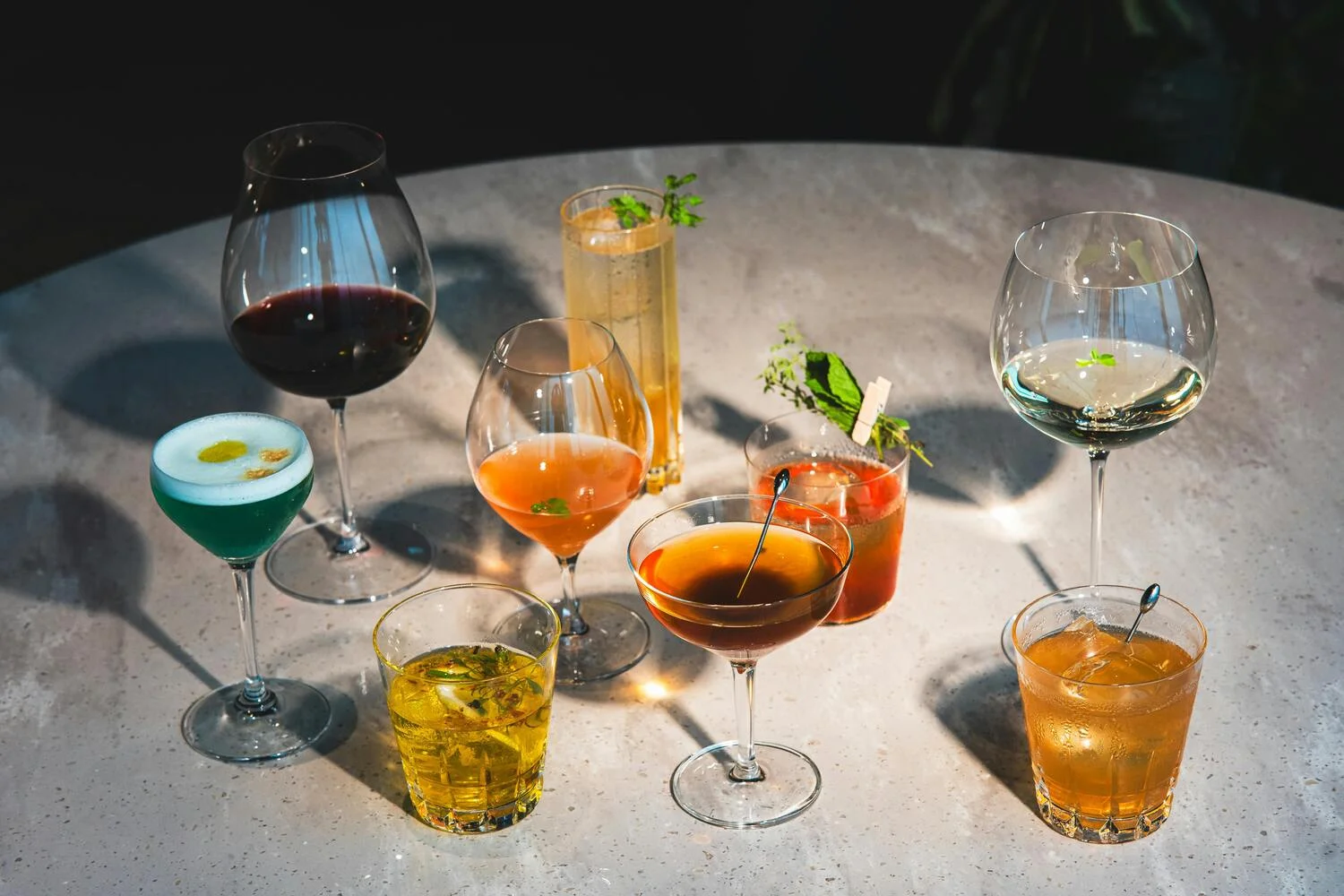
For years, wedding bars followed the same formula: champagne tower, signature cocktail, crowded tequila line by 10 p.m. But lately, couples have started asking a different question entirely — what if the drinks felt just as thoughtful as the food?
That shift has opened the door to one of the most interesting trends in modern weddings: the “Supper Club” mocktail menu. Inspired by intimate dining spaces, boutique hotels, and chef-led hospitality experiences, these alcohol-free bars are less about replacing cocktails and more about creating something completely new. Think smoked rosemary spritzes served in crystal coupes, sparkling yuzu tonics with edible flowers, or chilled jasmine tea poured tableside during dinner.
The movement fits naturally into the rise of the sober curious wedding. Couples still want the atmosphere of celebration, but they’re leaning toward experiences that feel more intentional, inclusive, and honestly…better designed. Guests are noticing too. A beautifully crafted mocktail now feels every bit as elevated as a traditional cocktail, maybe even more. And unlike the old “vodka soda or cranberry juice?” setup, today’s non alcoholic wedding bar has become part of the actual event design. It’s hospitality with personality.
READ MORE: https://bridelifestyle.com/ideas-tips/wedding-dessert-bar-sweet-trends-sustainable-ideas
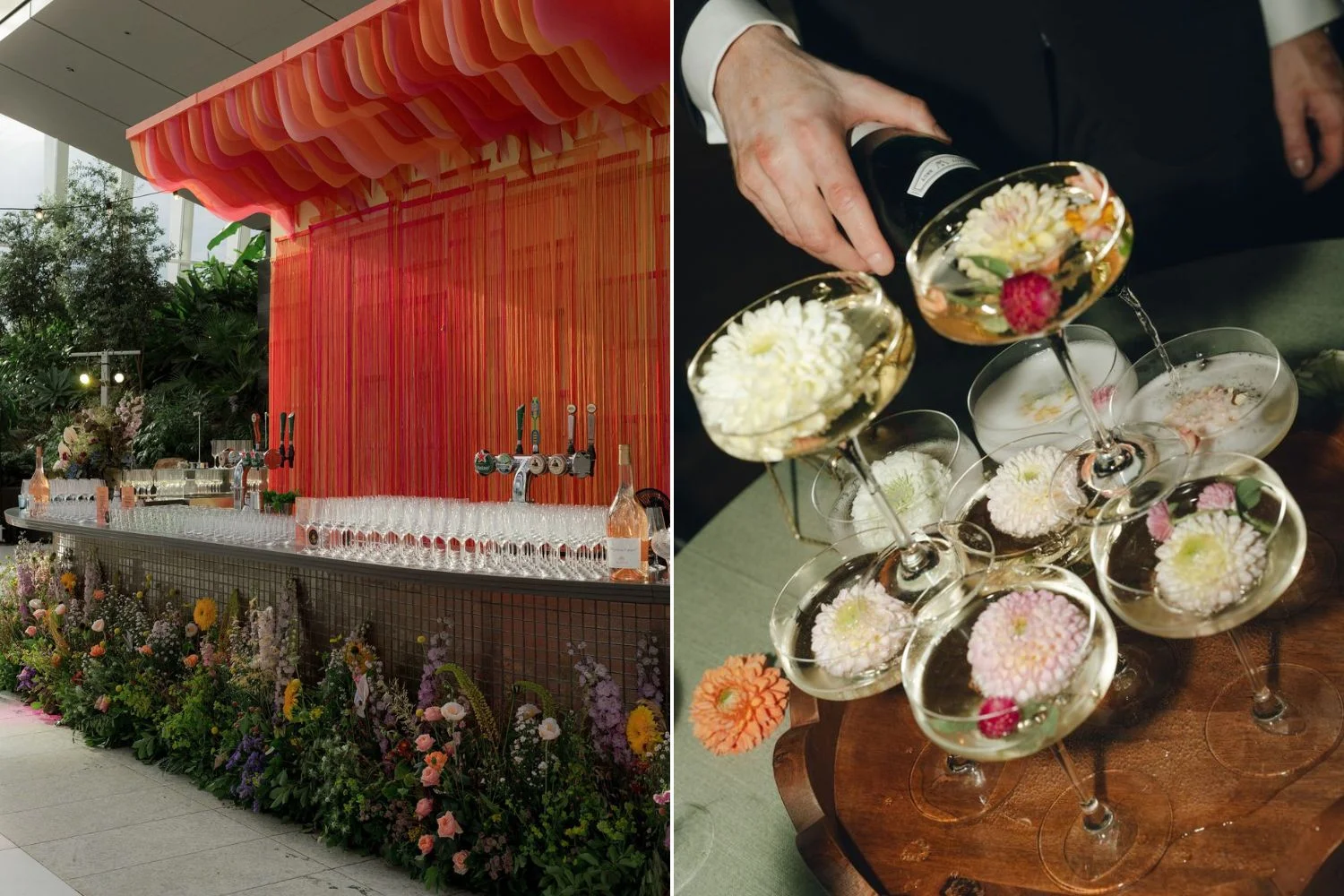
Why Couples Are Choosing Mocktail-First Weddings
There’s been a noticeable shift in how couples think about entertaining. Weddings are still celebrations, of course, but many no longer revolve around heavy drinking the way they once did. Instead, people are prioritizing atmosphere, food, conversation, and guest experience. The drinks are still important — just different.
The rise of the sober curious wedding has played a huge role in this change. Some couples choose to skip alcohol entirely, while others simply want stronger alcohol-free options alongside a traditional bar. Either way, guests are increasingly open to it.
Part of that comes from changing social habits. Younger guests, especially Millennials and Gen Z, are drinking less overall. Wellness culture has influenced everything from reception menus to late-night snacks, so naturally the bar followed. People still want something fun and beautiful to hold during cocktail hour. They just don’t necessarily want three espresso martinis and a headache the next morning.
READ MORE: https://bridelifestyle.com/ideas-tips/bridal-wellness-retreats-reset-before-you-say-i-do
The Sober Curious Wedding Movement
The phrase “sober curious” used to feel niche. Now it shows up everywhere from restaurants to fashion-week parties. Weddings are no exception. A sober curious wedding doesn’t have to mean a completely dry event. More often, it means couples are being intentional about what they serve and why. Maybe they offer a smaller wine list alongside an elaborate mocktail menu. Maybe they skip hard liquor entirely. Some go fully alcohol-free and focus instead on immersive dining experiences.
What’s interesting is how quickly guests have adapted. Five years ago, a dry wedding might have raised eyebrows. Today, guests are more likely to ask what’s in the lavender tonic. There’s also a practical side to it. Couples say guests stay present longer, conversations feel more genuine, and the energy of the reception changes in a good way. Less chaos, more connection.
.webp)
Inclusivity at the Bar
One reason non alcoholic wedding bar concepts resonate so strongly is because they instantly make the event feel more inclusive. Traditional bars can unintentionally leave people out — pregnant guests, sober guests, people with religious restrictions, anyone taking medication, or those who simply don’t enjoy drinking. Offering thoughtful mocktails instead of a token soda option changes the experience completely.
Today’s wedding hospitality is less about excess and more about making people feel considered. A handcrafted drink with fresh citrus and herbs sends a very different message than pointing someone toward a can of cola.
The same idea extends to the non alcoholic bridal party. More bridal parties now include people who don’t drink, and couples want everyone to participate equally in toasts, getting-ready photos, and celebrations throughout the weekend.
Wellness and Mindful Entertaining
Wellness has quietly become one of the biggest influences in luxury weddings. You see it in farm-to-table menus, outdoor ceremonies, slower wedding weekends, and now in beverage programs too. Couples are looking for healthy wedding drinks that still feel indulgent enough for a celebration. That doesn’t mean guests want green juice at the reception. Nobody’s asking for celery shots during the first dance. Instead, it’s about balance. Fresh ingredients. Lower sugar. Drinks that leave guests feeling energized instead of exhausted halfway through dinner.
Mocktails featuring cold-pressed juices, herbal infusions, sparkling teas, and botanical ingredients fit naturally into that approach. They feel modern without feeling restrictive, which is probably why the trend has stuck around longer than many people expected.
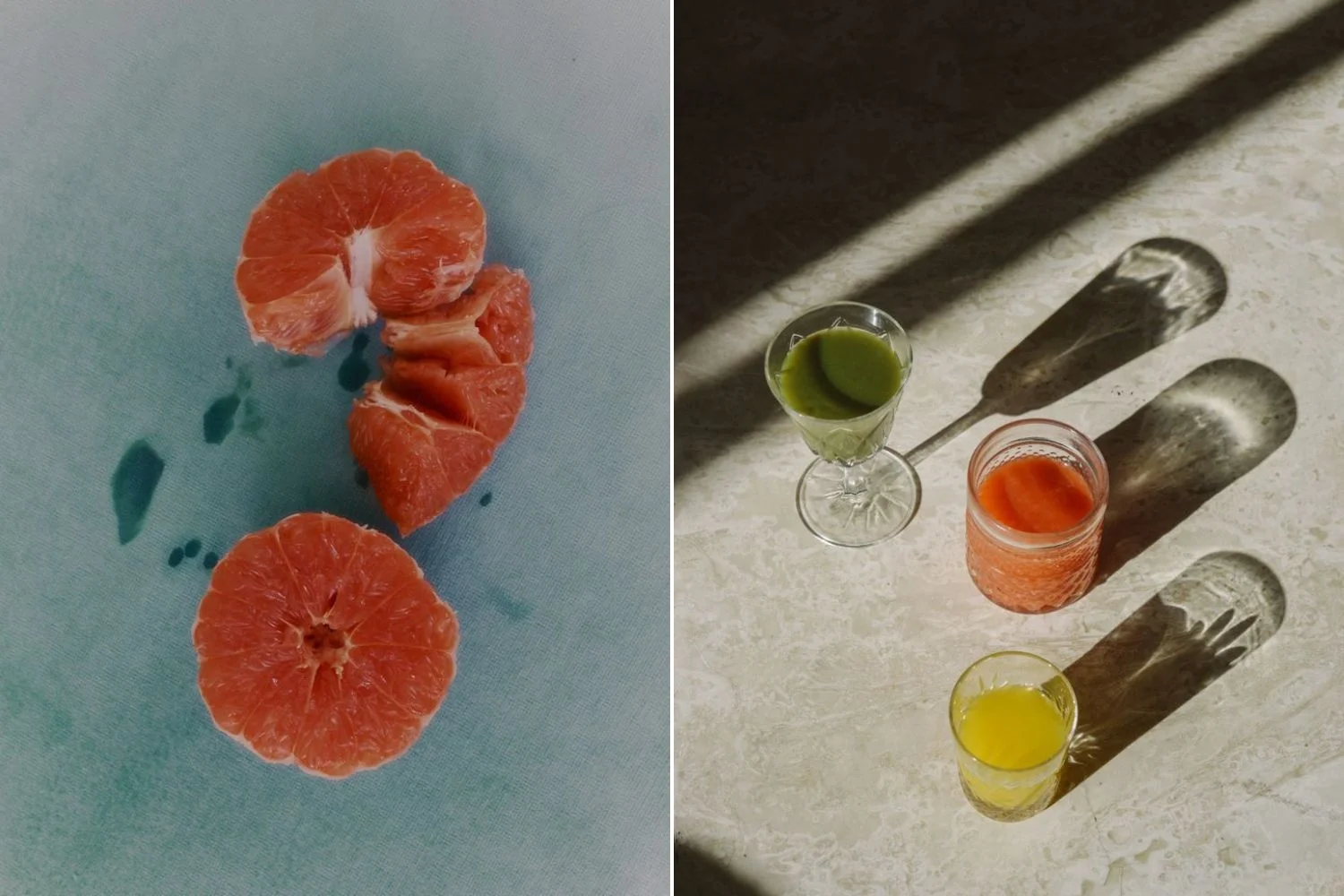
What Makes a “Supper Club” Mocktail Menu Feel Luxurious
The difference between a good mocktail and a forgettable one usually comes down to intention. Luxury restaurants figured this out years ago. The best alcohol-free drinks aren’t trying to imitate cocktails exactly. They’re built with their own flavor structure, texture, and presentation in mind.
That philosophy has carried over into weddings, especially with the rise of the “Supper Club” aesthetic. Couples want bars that feel intimate, curated, and slightly cinematic — less banquet hall, more downtown private dining room.
Restaurant-Inspired Presentation
Presentation changes everything. A sparkling grapefruit drink served in a plastic cup feels casual. The same drink in vintage glassware with rosemary smoke drifting off the top suddenly feels expensive. That’s why luxury wedding mocktails focus heavily on visual design. Bartenders use dehydrated citrus wheels, edible flowers, hand-cut ice, smoked herbs, and textured glassware to create a complete experience. Some couples even incorporate tableside service, where drinks are finished in front of guests. It feels interactive without becoming gimmicky.
The visual side matters more than people realize. Guests often judge drinks before they taste them, especially at weddings where aesthetics are already such a huge part of the event.
Seasonal Ingredients and Layered Flavors
The best elevated wedding drinks feel connected to the season. Spring weddings lean floral and herbal — elderflower, strawberry basil, cucumber mint. Summer menus often include citrus, watermelon, or sparkling peach drinks. Fall brings darker flavors like pear, blackberry, and chai spice. Winter weddings practically beg for blood orange, rosemary, espresso, and cinnamon.
Seasonality helps mocktails feel intentional rather than generic. It also makes the menu easier to pair with food, which is becoming increasingly important in modern receptions. Layered flavor matters too. A great mocktail should evolve while you drink it. Acidity, sweetness, bitterness, aromatics — all the same principles used in cocktails still apply. That complexity is what separates a thoughtfully designed custom wedding beverage from juice in a pretty glass.
Interactive Service and Custom Details
Couples are moving away from traditional crowded bars and toward more immersive beverage experiences. Some receptions now feature botanical garnish stations, roaming champagne-cart-style mocktail service, tea sommeliers, and build-your-own spritz bars. These ideas work because they create movement and interaction throughout the reception. A unique wedding bar menu becomes part of the entertainment.
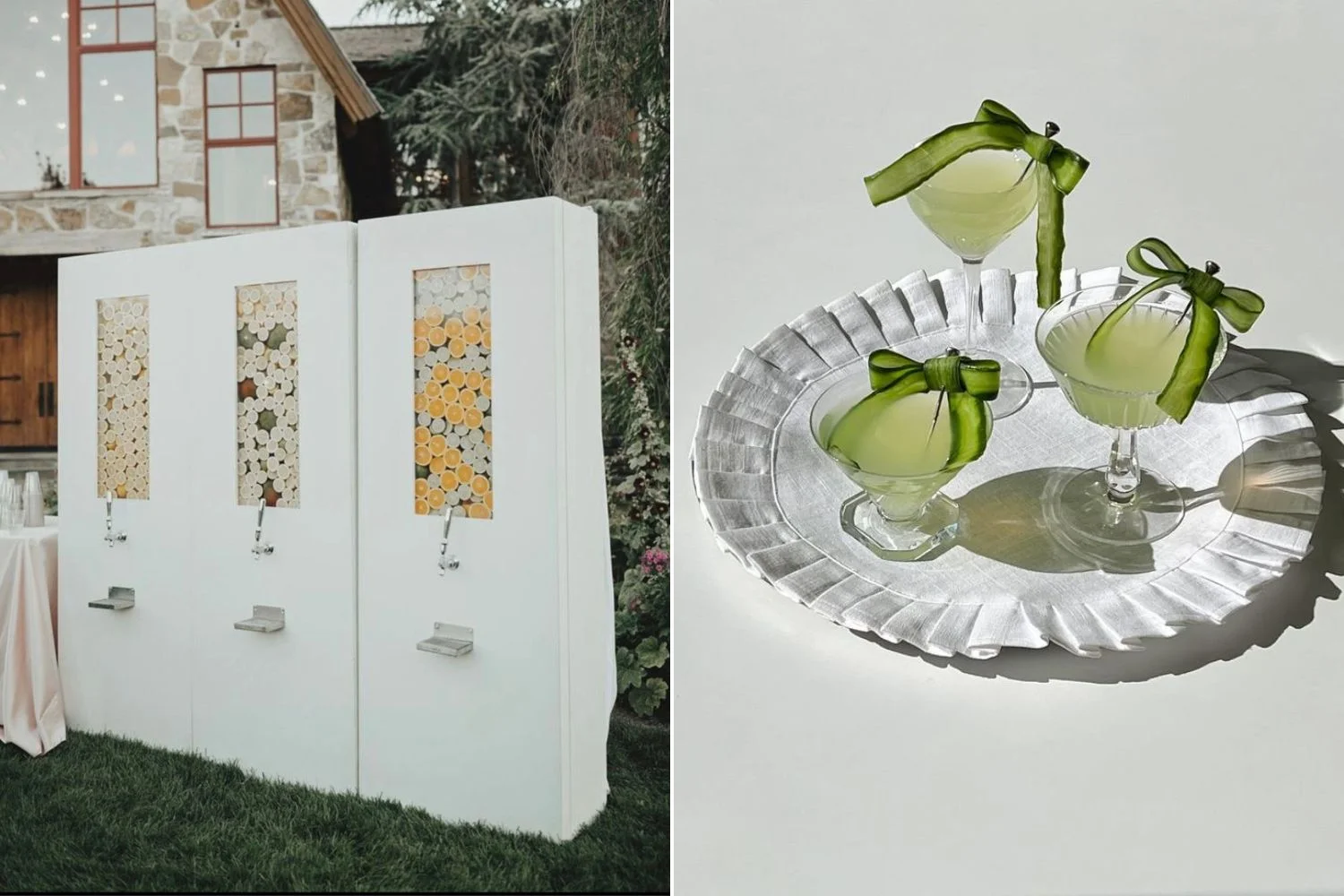
Signature Mocktail Ideas Guests Will Actually Remember
Most guests won’t remember the exact table linens from a wedding. They will remember an incredible drink. That’s why couples are investing more energy into signature mocktail ideas that feel personal and unexpected.
Floral and Botanical Drinks
Floral drinks continue to dominate wedding menus because they naturally feel romantic. Popular combinations include rose and raspberry tonic, lavender lemonade fizz, hibiscus orange spritz, and elderflower cucumber cooler.
The key is restraint. Floral flavors should feel fresh, not like someone sprayed perfume into sparkling water. Botanical ingredients like rosemary, basil, thyme, and sage add depth without overwhelming the drink. They also photograph beautifully, which matters at weddings.
Citrus-Forward Elevated Wedding Drinks
Citrus-based drinks remain popular because they’re refreshing, versatile, and pair well with food. Some standout combinations grapefruit rosemary spritz, lemon basil soda, yuzu ginger tonic, and blood orange thyme fizz. These drinks work especially well during outdoor cocktail hours or warm-weather receptions. They’re bright, clean, and sophisticated.
Late-Night Dessert Mocktails
Late-night mocktails are quietly becoming one of the smartest wedding ideas around. Instead of another round of alcohol late in the evening, couples are serving espresso mocktails, sparkling chai drinks, vanilla cream cold brew, and dark chocolate orange tonics. They feel cozy, a little indulgent, and surprisingly memorable.
Designing a Unique Wedding Bar Menu
The strongest wedding bars feel connected to the overall event design. A unique wedding bar menu should reflect the couple’s personality just as much as the florals or music selection.
Matching Drinks to the Wedding Aesthetic
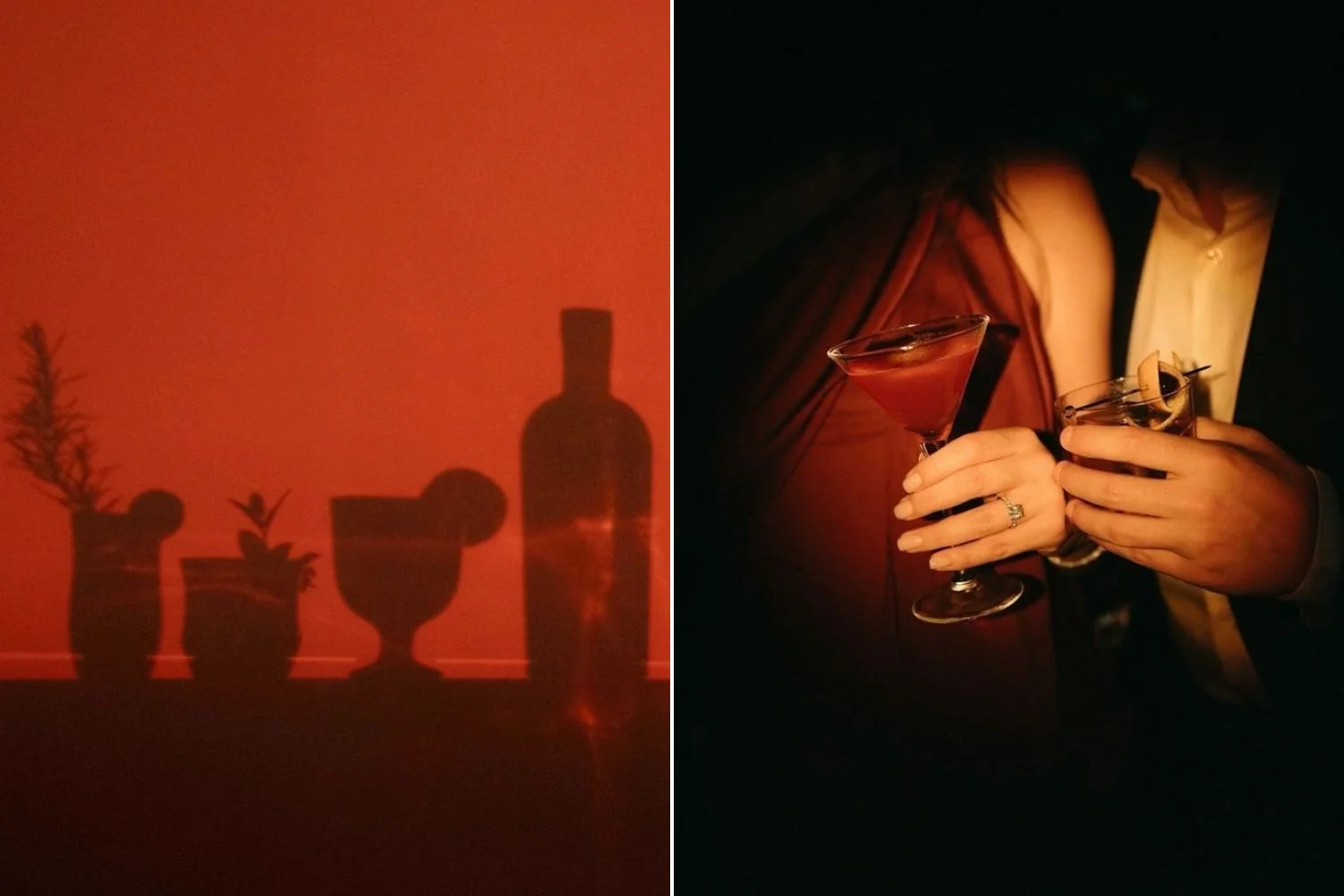
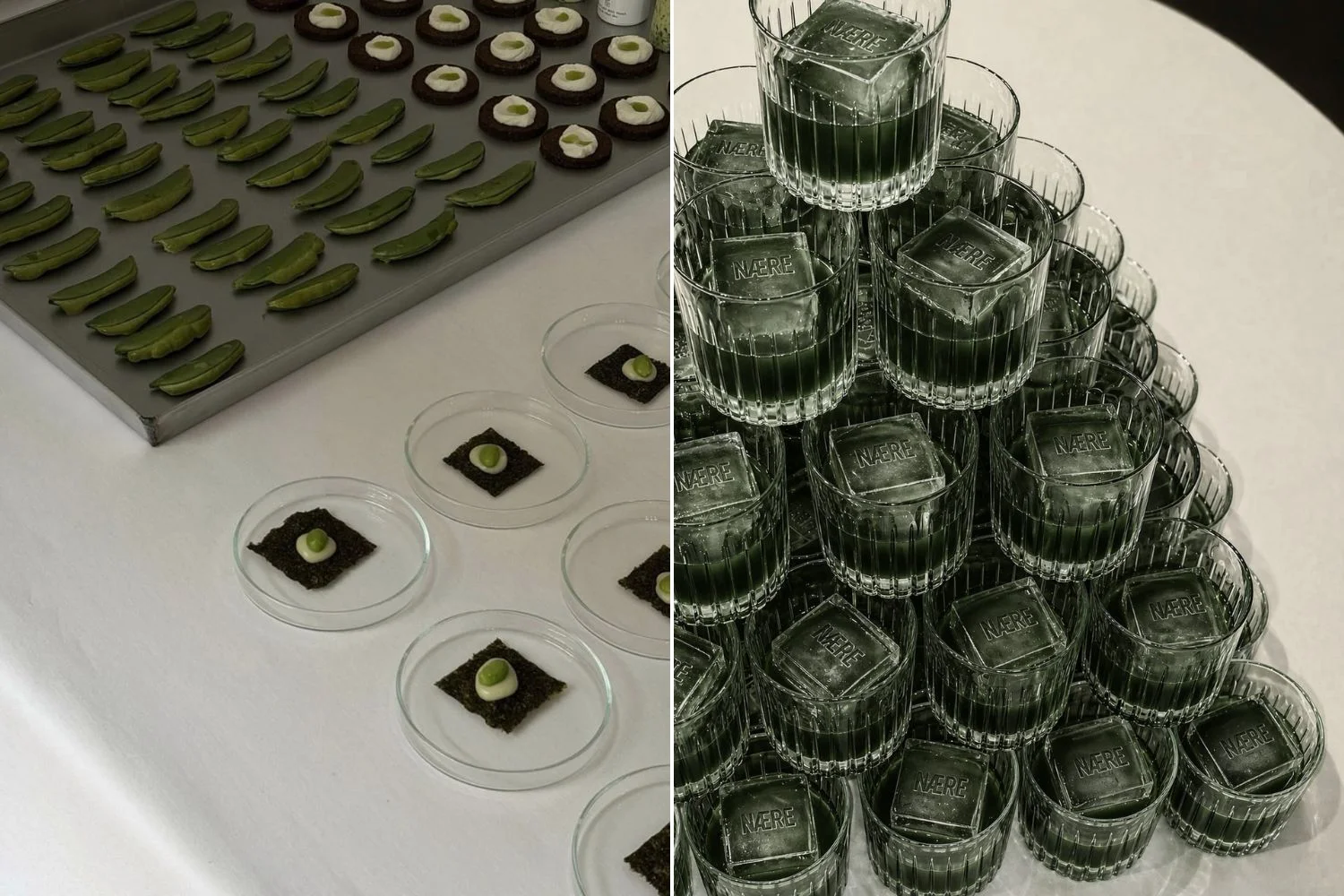
Modern couples often coordinate drinks with the visual palette of the wedding itself. A coastal wedding might feature coconut citrus spritzes. A moody candlelit reception may lean into blackberry sage drinks or smoked pear tonics. It sounds extra, but visually cohesive details make the entire event feel more immersive.
Personalized Drink Names and Stories
Couples are getting increasingly creative with drink names. Some use travel memories, favorite cities, family references, or inside jokes. A menu instantly feels more personal when guests can order something tied to the couple’s story instead of “Mocktail #2.”
Pairing Mocktails With the Menu
Fine-dining-style pairings are becoming more common at luxury weddings. A citrus spritz with seafood appetizers or a spiced pear tonic alongside roasted dishes helps the entire meal feel more intentional.
The Rise of the Non Alcoholic Wedding Bar
A few years ago, alcohol-free weddings were still considered unusual. Now they’re showing up everywhere from fashion industry receptions to luxury destination weddings. And they don’t feel restrictive anymore. Today’s dry wedding trends are rooted in design, hospitality, and guest experience rather than limitation.
Why Guests Are Embracing Alcohol-Free Options
Many guests simply want choices. Even people who drink alcohol often appreciate alternating with mocktails throughout the night. Better sleep, less dehydration, fewer regrets the next morning — not exactly difficult to understand. A sophisticated non alcoholic wedding bar gives guests flexibility without sacrificing atmosphere.
Healthy Wedding Drinks That Still Feel Festive
Fresh Juices, Herbs, and Teas
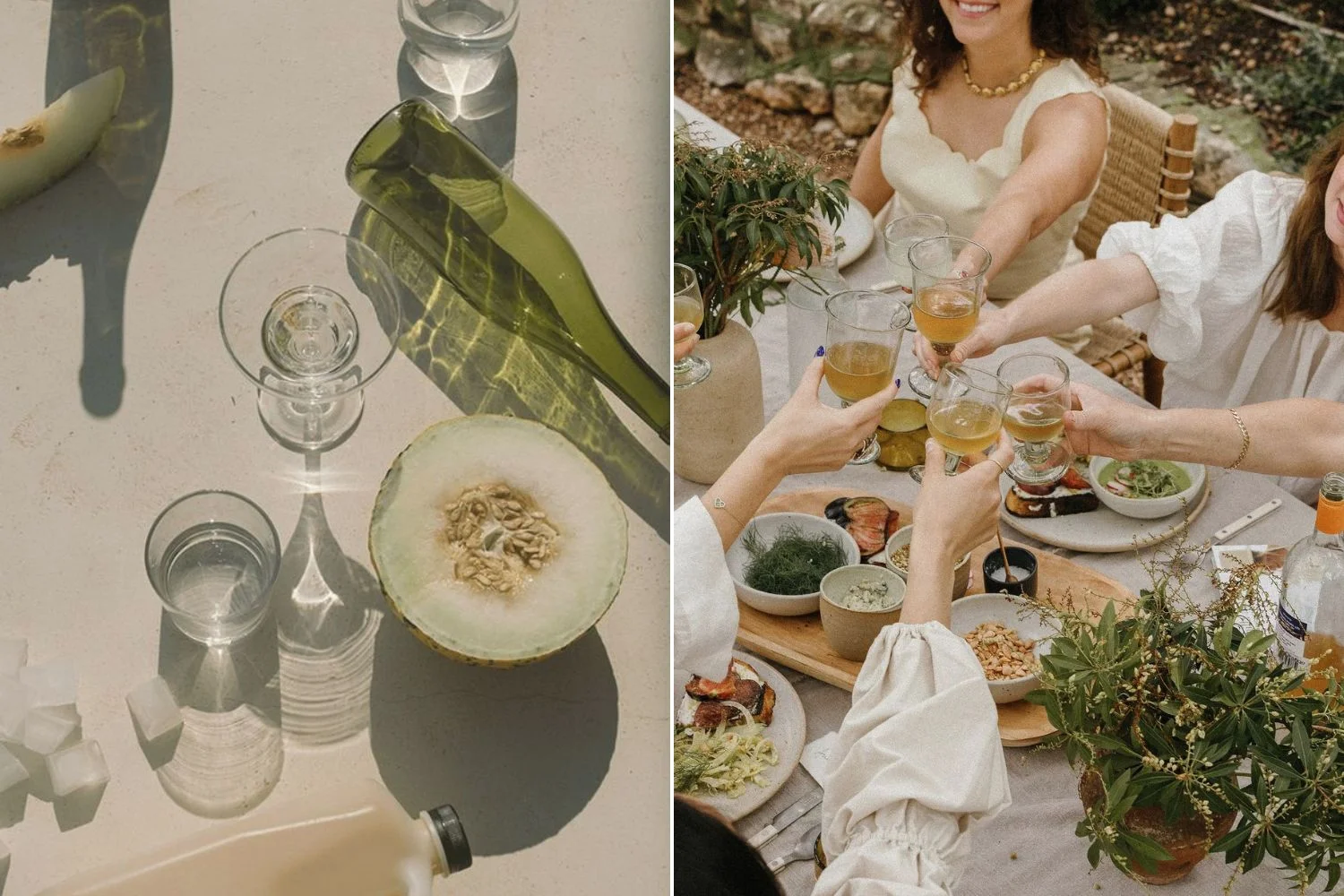
Fresh ingredients naturally elevate mocktails. Cold-pressed citrus, herbal teas, muddled berries, and sparkling infusions create drinks with complexity and texture without relying on heavy sweetness. Tea-based drinks, especially jasmine and black tea blends, have become especially popular because they add structure similar to wine or spirits.
Low-Sugar Options for Modern Guests
Guests increasingly appreciate lower-sugar beverages, particularly at long receptions. Using natural sweeteners like honey or agave helps drinks feel lighter while still tasting polished and complete.
Functional Ingredients and Wellness Culture
Some couples now include adaptogens or wellness-focused ingredients in their custom wedding beverage programs. Think magnesium blends, calming herbs, or botanical tonics. It’s subtle, but it reflects how deeply wellness culture has shaped modern entertaining.
Creating a Non Alcoholic Bridal Party Experience
Getting-Ready Drinks Beyond Champagne
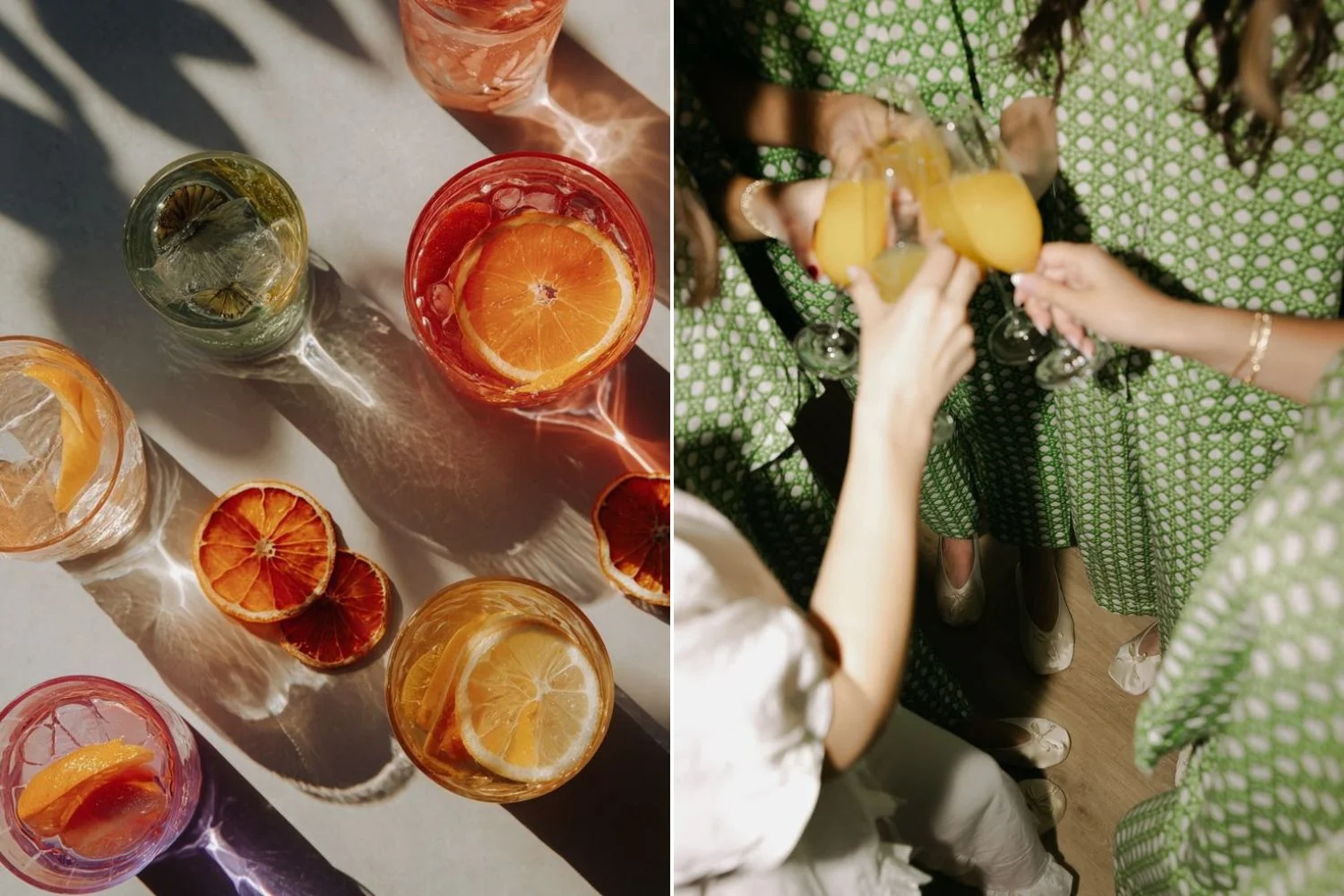
The classic champagne photo still exists, but many bridal suites now include mocktail options too. Fresh spritzes, sparkling teas, and fruit-forward drinks keep everyone hydrated and camera-ready without the early-day crash.
The rise of “Supper Club” mocktail menus says a lot about where weddings are heading. Couples still want beauty, celebration, and excitement — they’re just approaching hospitality in a more intentional way. Instead of defaulting to the standard open bar formula, many are building experiences around connection, atmosphere, and thoughtful details that guests genuinely remember.
From luxury wedding mocktails to immersive custom wedding beverage stations, alcohol-free bars have evolved into something stylish enough to stand on their own. They feel modern, inclusive, and surprisingly personal.
FAQs
Are mocktail-only weddings becoming more common?
Yes. Fully dry weddings and hybrid bars are both growing quickly, especially among younger couples focused on wellness, inclusivity, and elevated guest experiences.
What are the most popular luxury wedding mocktails right now?
Botanical spritzes, citrus-herb drinks, sparkling tea mocktails, and espresso-based alcohol-free drinks are especially popular for upscale weddings.
Can a non alcoholic wedding bar still feel formal?
Absolutely. Presentation, ingredients, and service style matter far more than alcohol content when creating a luxury atmosphere.
How many signature mocktails should couples offer?
Most planners recommend two to four signature options. That creates variety without overwhelming guests or slowing service.
What makes a mocktail feel elevated instead of basic?
Fresh ingredients, balanced flavors, layered textures, beautiful glassware, and thoughtful garnishes all contribute to a more sophisticated experience.
Author: BRIDELIFESTYLE

 share
share