Wedding Hair Trends: From Romantic Waves to Minimalist Bridal Looks
Photo: PINTEREST
If you spend ten minutes browsing bridal beauty boards, almost every style looks flawless. But those photographs capture a single static moment – taken indoors, twenty minutes after the stylist finishes, under controlled lights, and long before anyone has embraced a guest or stepped out into an afternoon breeze.
A real wedding day is dynamic and unscripted. It involves hours of movement, warm sunshine during outdoor ceremonies, endless hugs, hours on the dance floor, and a veil being clipped in and removed between cocktail hour and dinner. The true mark of exceptional bridal hair styling isn't creating a fragile masterpiece that demands constant preservation, but designing a look that works with your natural hair texture and environment – allowing you to remain completely present from morning to midnight.
Whether you are drawn to soft, touchable waves or the clean lines of modern minimalism, the current shift in bridal beauty favors authenticity, durability, and quiet elegance. Here is an honest, refined look at the hair directions defined by wearability, alongside what it takes to ensure your chosen style holds up until the end of the celebration.
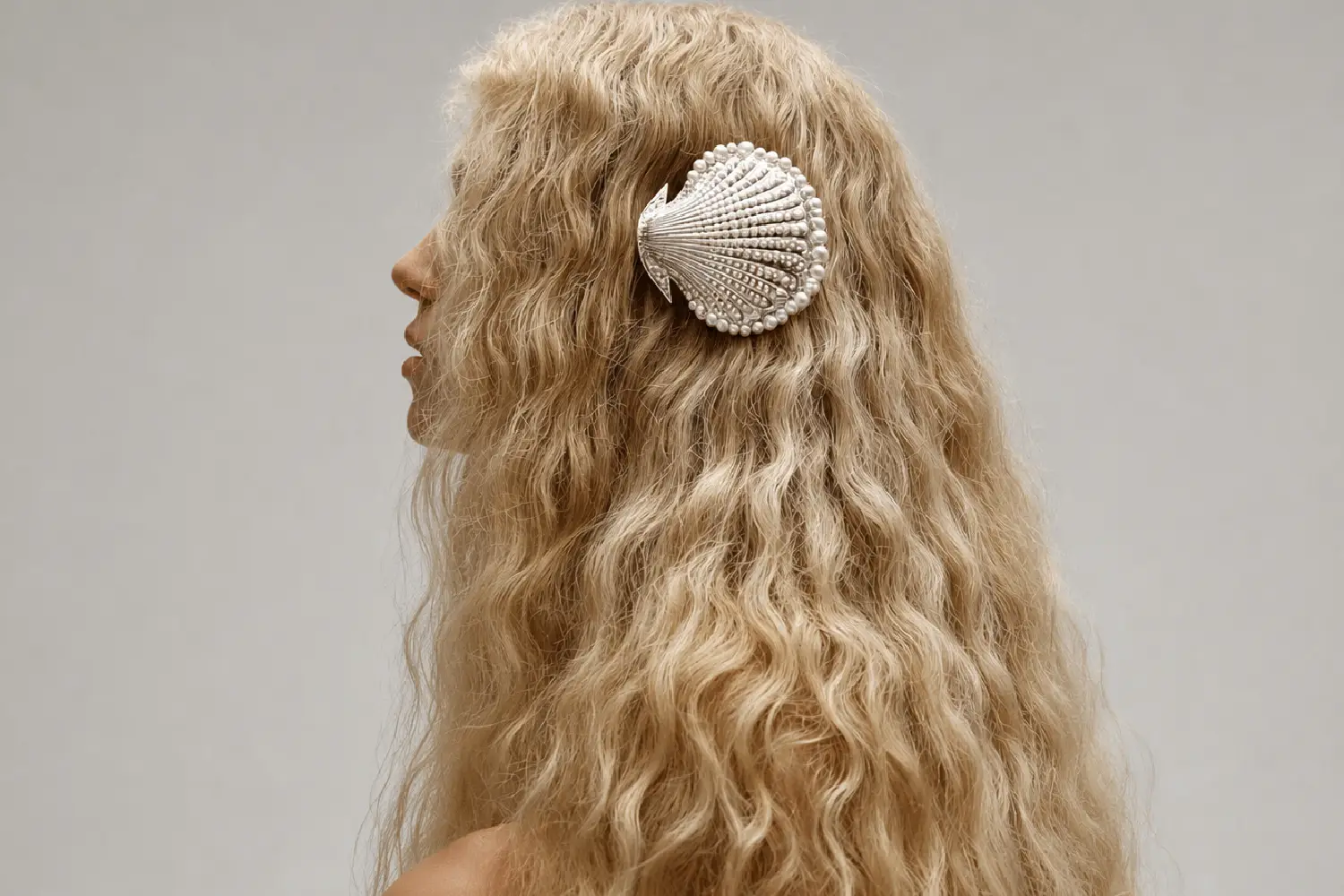
1. Soft, Brushed-Out Waves
The old-school, rock-hard Hollywood wave has evolved into something far more fluid and touchable. Modern waves rely on wider barrels, thorough brushwork, and natural movement rather than heavy lacquers that turn hair into a rigid shell.
The Reality Check: If your hair naturally loses curl after a few hours at a dinner party, it will do the same on your wedding day – regardless of how much hairspray is applied.
How to make it work: If you choose an all-down style and your hair is fine or straight, plan to integrate lightweight clip-in extensions. They are used here not necessarily for length, but to provide a durable density that holds shape throughout the night.
Photo: PINTEREST
2. The Simple Low Bun
This remains the single most dependable hairstyle in modern bridal design. Pinned precisely or gathered softly right at the nape of the neck, a low bun framing the face and gown neckline offers effortless poise while remaining completely unbothered by external elements.
The Reality Check: It is virtually immune to weather. Wind, high humidity, and hours of dancing will not alter its foundation or pull it out of place.
How to make it work: Ask your stylist to use smoothing balms rather than heavy oils. Too much gloss can read as greasy under direct sunlight or flash photography.
Photo: PINTEREST
3. The Relaxed Updo with Loose Strands
For brides who find a sleek bun overly formal, a textured updo offers an ideal middle ground. The hair is secured softly at the back, with delicate, face-framing pieces left out around the ears and jawline to maintain a gentle silhouette.
The Reality Check: Because this style embraces natural softness from the start, it actually evolves beautifully as the evening progresses. A few extra strands loosening on the dance floor only add to its romantic charm.
How to make it work: Ensure the face-framing pieces are trimmed to a length that won't continuously fall into your eyes or catch on lip gloss during the ceremony.
Photo: PINTEREST
4. Simple Half-Up Styles
Half-up styling offers the romantic framing of loose hair with the practical security of keeping strands clear of your face. Contemporary takes a step away from heavy crown teasing, favoring clean architectural twists, subtle side tucks, or minimalist silk ribbons.
The Reality Check: Pay attention to the construction of your dress. If your gown features elaborate back buttons, delicate lace, or a plunging back, loose falling hair will obscure those details in your photographs.
How to make it work: Anchor the pulled-back sections high enough to frame your profile while allowing the back to fall naturally without masking key gown features.
Photo: PINTEREST
5. Embracing Your Natural Texture or a Clean Low Pony
Bridal beauty has increasingly embraced natural curl patterns, coils, and innate texture over intensive heat manipulation. Alongside natural texture, the sleek low ponytail has emerged as a chic alternative for brides seeking a modern, unfussy look with sharp lines.
The Reality Check: Natural texture handles environmental moisture far better than heat-straightened hair ever will. A polished ponytail provides a clean, fashion-forward silhouette without feeling like a traditional bridal updo.
How to make it work: If you are wearing your natural texture, avoid getting a haircut immediately before the date. Curls require their natural weight to sit predictably, so schedule your final trim roughly three to four weeks early.
Photo: PINTEREST
3 Things Most Brides Forget to Plan For
Veil Anchor Points: Heavy veils require a secure internal foundation – such as a hidden braid or structured pin work. Without this, a heavy veil comb will slide out or pull loose curls flat.
Dress Fabric Friction: Raw lace, heavy embroidery, or sequined shoulders act like velcro against loose hair, causing friction and frizz by mid-afternoon. If your dress features a textured shoulder, an updo is the most reliable choice.
Venue Conditions: An oceanfront lawn, a glass greenhouse, and an air-conditioned ballroom each require a different styling strategy. Select a hairstyle that suits your environment as much as your vision board.
Photo: PINTEREST
Editorial Insights & Curated Muse
How do we decide between wearing our hair up or down for an outdoor wedding?
Your choice should ultimately be guided by how your natural hair responds to environmental factors like wind, humidity, and heat, rather than solely relying on studio mood boards. If your hair tends to lose curl rapidly in humid air or freezes in a breeze, insisting on an all-down style can turn into a source of constant maintenance throughout the day. Opting for an artful updo or a secure half-up structure gives you the romantic framing you want while embedding the structural security needed for an effortless outdoor celebration. For more practical advice on balancing style with outdoor elements, explore our features inside BrideLifestylePlanningideas.
When should I book my hair trial and schedule my final trim?
Book your initial trial three to four months before the wedding, bringing your veil, headpiece, or hair accessories so your stylist can test their placement and structural weight. Schedule your final cut and color refresh two to three weeks prior to the wedding date – never the week of – allowing the ends to settle naturally so they don't look overly blunt in high-resolution photography. To discover top beauty artists and editorial hair directors, explore the BrideLifestyleHair and makeup partners section.
How do we select hair accessories that feel elevated rather than costume-like?
Select hair adornments based on the refinement of their materials and how seamlessly they integrate into the overall hairstyle, rather than focusing on scale. Delicate hand-dyed silk ribbons, minimalist pearl pins placed with restraint, or a single antique metal comb can add a quiet, intentional finish without competing with your gown or veil. To see how top beauty directors pair accessories with current bridal trends, view our latest lookbooks in BrideLifestyleStyle & Fashionlookbooks.
How can we keep up with shifting beauty and fashion directions for upcoming seasons?
Bridal beauty continues to move toward authentic self-expression, natural textures, and understated luxury season after season. To explore upcoming hair and makeup forecasts, runway analyses, and expert technique breakdowns, explore our ongoing editorial features inside BrideLifestyle weddingNews & Trends.
This website uses cookies to improve the user experience and optimize its performance. By continuing to use this website, you agree to the use of cookies on this website.
Read more

 share
share


.webp)
.webp)
.webp)
.webp)
.webp)
.webp)


