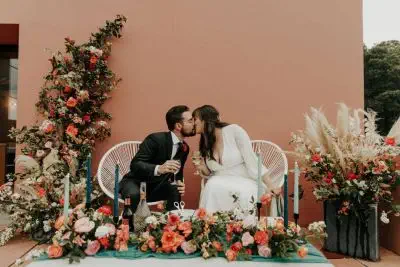
Wedding Guest Dress Code Explained: Black Tie, Cocktail, Garden & More
Photo: PINTEREST
For the contemporary wedding guest, opening an invitation sleeve is an exercise in translation. Below the calligraphed names and the geographical coordinates sits a line of text that carries the power to dictate your entire visual presence for a weekend: the dress code.
Historically, dress codes were rigid social contracts designed to enforce uniformity. Today, in the landscape of curated luxury celebrations, they have evolved into a collaborative design choice. A couple’s choice of dress code is an invitation to step into a carefully built world. It is the color theory, the texture, and the architectural weight of the crowd that frames the entire day. Navigating these expectations with poise requires an understanding of what these designations mean in a modern context – and exactly where the boundaries of tradition can be elegantly pushed.
The Zenith of Formality: White Tie and Black Tie
These are the most structured codes in the design lexicon, demanding an absolute commitment to clean lines and classic tailoring. White Tie is the rarest and most traditional of all designations, a grand, opera-length affair. For men, this dictates a black dress tailcoat worn unbuttoned, a white piqué wing-collared shirt with a stiff front, a matching white piqué bow tie, and a white waistcoat. For women, a grand floor-length ballgown is non-negotiable. Hair is traditionally styled in a structured updo, and jewelry should lean heavily toward fine gems and heirloom-quality pieces.
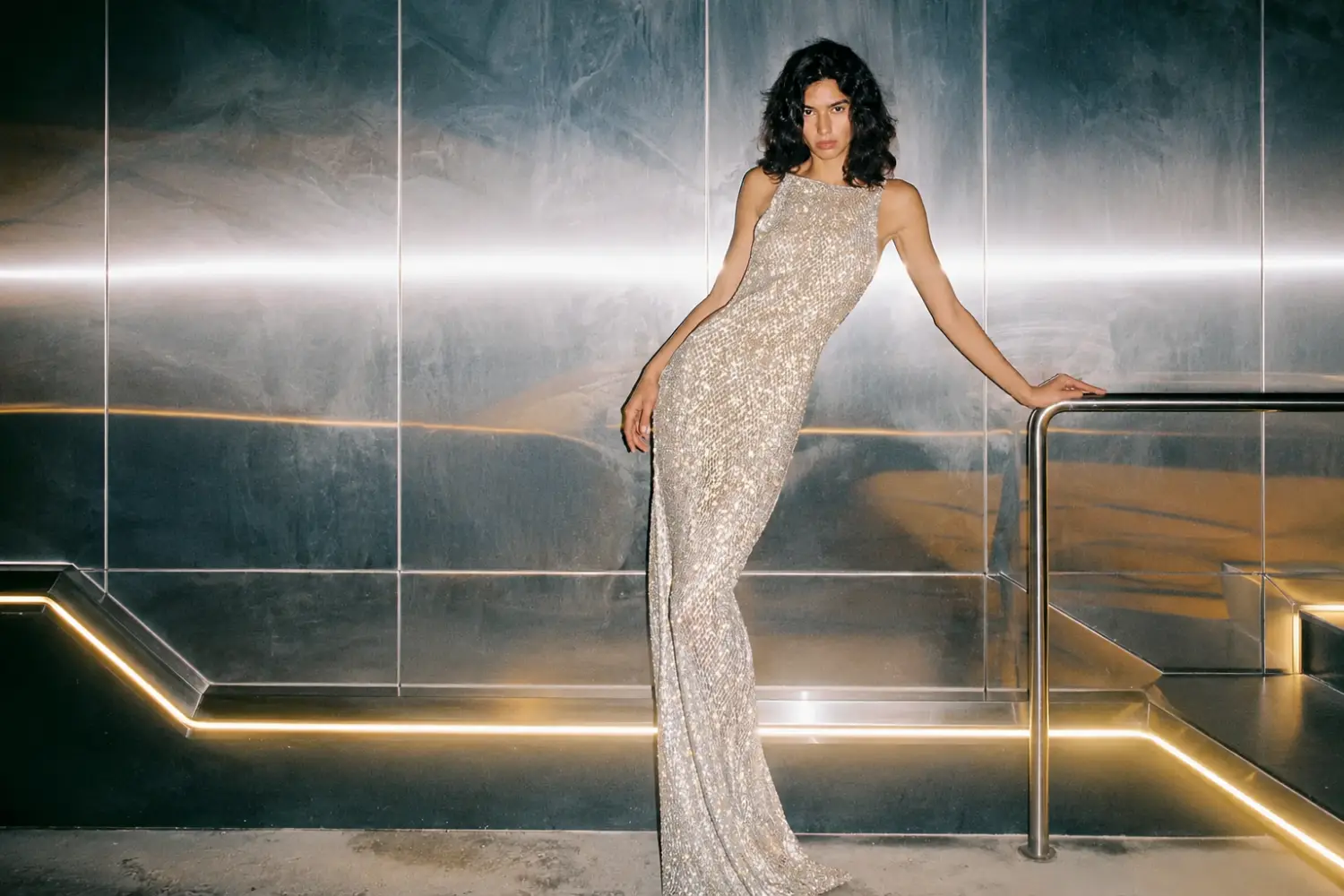
Black Tie, on the other hand, remains the gold standard of evening formality. For gentlemen, the mandate is a classic tuxedo. While black wool is the traditional baseline, midnight blue offers a softer, incredibly rich tone under evening lighting. The lapels – either peak or shawl – should be faced in silk satin or grosgrain, matching the stripe down the trouser leg. A hand-tied black silk bow tie is mandatory. For women, Black Tie calls for a formal, floor-length gown with a silhouette that feels architectural and deliberate. While heavy crepes, silk satins, and velvets are classic, modern interpretations allow for sleek, column silhouettes and dramatic, sculptural sleeves.
Photo: PINTEREST
The Fluid Transition: Black Tie Optional and Formal
The word "Optional" is often the source of guest anxiety, yet it is best approached as a gesture of hospitality from the hosts, allowing guests a degree of flexibility while maintaining an elevated atmosphere.
For gentlemen, while a tuxedo is highly encouraged, a dark, well-tailored suit in charcoal gray or deep navy is entirely acceptable. This should be paired with a crisp white dress shirt, a conservative silk tie – ideally in a monochromatic or subtle, tight pattern – and highly polished leather oxfords.
For women, the spectrum broadens. A very formal, floor-length gown remains the safest and most striking choice. However, a highly structured, midi-length cocktail dress in a premium fabric, such as heavy jacquard, silk brocade, or embellished lace, serves as a sophisticated alternative. The goal is to ensure the hemline and silhouette still carry a sense of evening weight and occasion.
Photo: PINTEREST
The Art of the Evening: Cocktail and Festive
Cocktail attire is arguably the most common wedding dress code, celebrating fluidity, movement, and personal style without the structural demands of a floor-length gown. For women, the classic knee-length or midi dress is the foundation. Modern luxury cocktail style also embraces tailored jumpsuits in heavy silk crepe or asymmetric midi dresses that play with proportion. The look should feel polished but spirited. For men, a suit is still required, but there is room for play. Mid-gray, slate blue, or rich forest green suits are appropriate, especially when paired with an open-collared dress shirt (sans tie) or a patterned silk pocket square.
Often seen at vibrant, design-forward celebrations, Festive attire invites guests to embrace bold color, playful textures, and statement accessories. Think of it as cocktail attire with the volume turned up. This is the moment for metallics, jewel tones, and artistic jewelry that serves as a conversation starter.
Photo: PINTEREST
The Environmental Response: Garden, Coastal, and Destination
When a celebration is set against the rolling natural terrain of an estate, a private beach, or a historic cliffside villa, the dress code must adapt to the landscape.
Designing for an outdoor landscape means letting the elements guide your wardrobe choices. When you step into an environment shaped by natural light and shifting winds, the heavy, structured garments of the ballroom immediately feel out of place, making a natural case for light fabrics like silk georgette, organza, and soft silhouettes that move beautifully in the breeze. This fluid ease must extend all the way down to your footwear; cobblestones, soft lawns, and sandy paths demand a practical decision to leave stilettos behind in favor of architectural block heels, elegant wedges, or high-end leather slides that allow you to glide through the day without getting stuck.
Photo: PINTEREST
Editorial Insights & Curated Muse
How do we translate a dress code if the invitation states "Black Tie Preferred" versus "Optional"?
"Black Tie Preferred" indicates that the hosts are highly hoping to create a visually uniform, ultra-formal environment, and guests should make every effort to wear a tuxedo or a floor-length gown. "Black Tie Optional" is slightly more relaxed, letting guests know that while a tuxedo is welcome, a dark, impeccably tailored suit is completely appropriate. To explore how to style these nuances, browse our editorial notes under Style & Fashion, Inspiration, and Trends.
Can a female guest wear white-adjacent colors, such as cream, ivory, or very pale pastel?
As a rule of respect, any shade that could be mistaken for bridal white – including cream, ivory, eggshell, very pale silver, or pastel blush that washes out in daylight photography – should be avoided. The goal is to allow the couple to stand out completely in their chosen palette. Discover more on wedding guest etiquette and color theory in our columns under Planning.
How should guests adapt their attire for traditional or religious cultural ceremonies?
When attending a wedding with specific cultural or religious traditions, research the customs beforehand. Some ceremonies require shoulders and knees to be fully covered, while others may require headcoverings or specific color considerations (for example, avoiding red at traditional Chinese weddings or black at Hindu ceremonies). For comprehensive global etiquette and destination guides, consult our partners under Destination Weddings and Wedding Vendor Spotlight.
This website uses cookies to improve the user experience and optimize its performance. By continuing to use this website, you agree to the use of cookies on this website.
Read more

 share
share



.webp)
.webp)
.webp)
.webp)