Deciding whether to invite children to your wedding isn’t always as straightforward as it sounds. For some couples, the idea of kids laughing, dancing, and occasionally sliding across the dance floor is part of the charm. For others, the vision leans more toward a relaxed, grown-up evening with candlelight, cocktails, and conversations that don’t involve crayons. Neither approach is wrong, but choosing an adults-only celebration does come with one slightly awkward challenge: how to say it.
If you’ve been searching for the right words, you’re not alone. Figuring out how to say no children wedding without hurting feelings or causing confusion can feel surprisingly tricky. The good news is, with thoughtful wording and a bit of planning, you can set clear expectations while still being warm and considerate. It’s less about what you’re saying—and more about how you say it.
Why Couples Choose an Adult-Only Wedding
An adults-only wedding is rarely about excluding people. More often, it’s about creating a specific kind of atmosphere. Maybe you’re planning a formal evening reception, or your venue has space limitations. Sometimes it’s simply about wanting your guests to relax and enjoy a night off—no diaper bags, no early exits, no stress.
There’s also a practical side that’s hard to ignore. Guest counts can climb quickly when children are included, and that directly affects your budget. Catering, seating, favors—it all adds up faster than expected. And depending on the venue, having kids around might not be the safest or easiest setup.
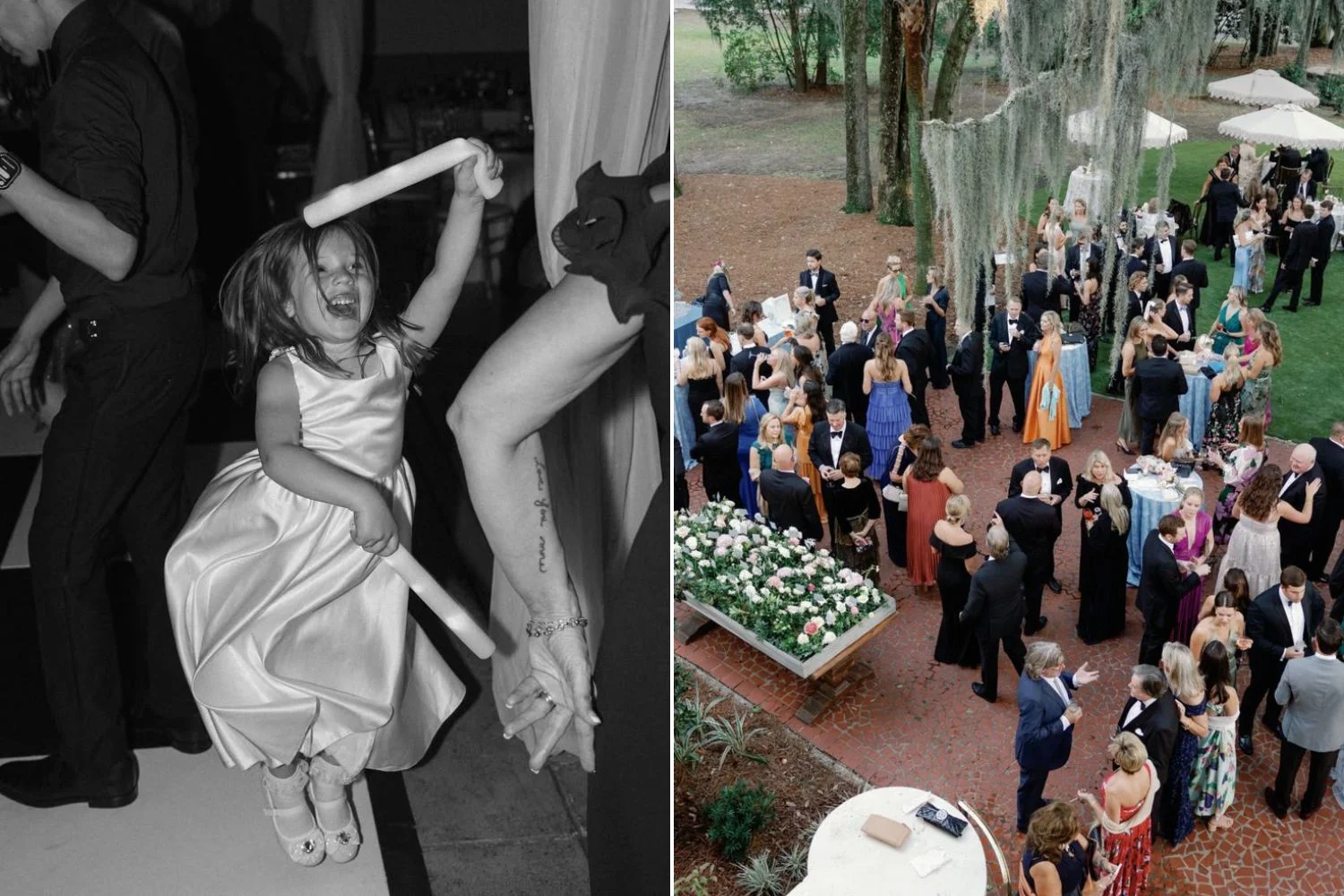
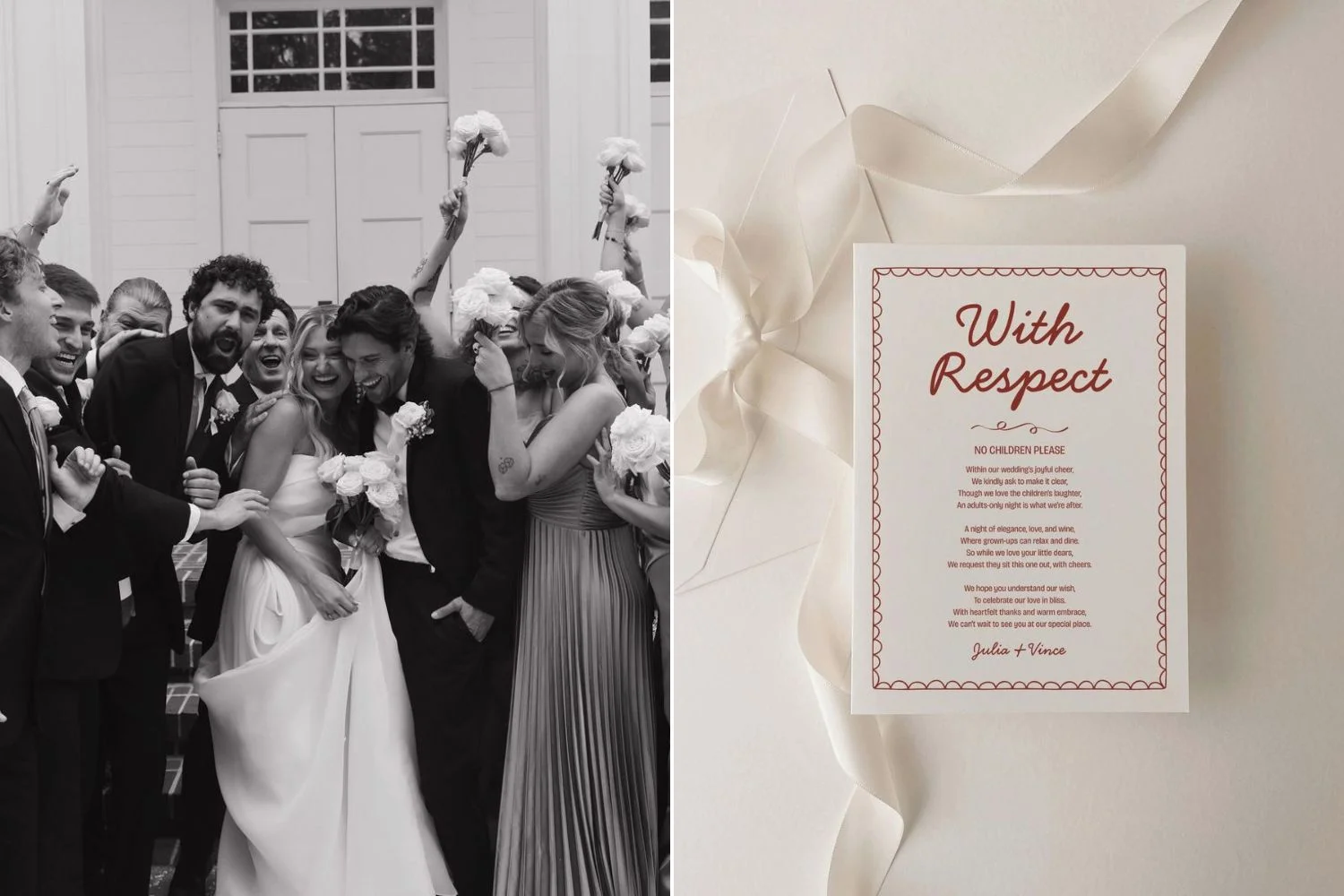
Photo (right): MCSWEEN PHOTOGRAPHY
Kids at Weddings: Pros and Cons
It’s worth being honest before making your decision. On one hand, children bring a certain warmth to a celebration. They’re unpredictable in a fun way—sometimes hilariously so—and they can make the day feel more family-centered.
On the other hand, weddings are long events, and kids don’t always have the patience for them. Ceremonies can feel endless from their perspective, and receptions can stretch well past bedtime. That can lead to restlessness, noise during key moments, or parents needing to step out early.
There’s no universally “right” answer here—it just depends on what kind of experience you want.
Budget, Venue, and Atmosphere Considerations
Budget is often the quiet dealbreaker. Even a handful of additional guests can push numbers beyond what you planned. And while kids’ meals might be cheaper, they’re not free—and they still take up space.
Venues matter too. Some locations simply aren’t designed with children in mind. Rooftop spaces, historic buildings, or venues with open water features can introduce safety concerns that couples don’t want to manage on their wedding day.
Then there’s the overall vibe. If you’re planning an adult only reception, chances are you’re picturing something a bit more polished or laid-back in an adult way. That doesn’t mean kids can’t be part of it—but it does change the tone.
When a Child-Free Wedding Makes the Most Sense
Child-free weddings tend to make the most sense for evening events, formal celebrations, or destination weddings where logistics are already complicated. In these cases, many guests actually expect it—even if they don’t say so out loud.
It can also work well when you’re aiming for a smaller, more intimate guest list. Keeping things limited often makes the entire day feel more intentional and less overwhelming.
At the end of the day, the decision should reflect what feels right for you—not what you think others expect.
No Kids Wedding Etiquette: What You Need to Know
Talking about no kids wedding etiquette can feel a little uncomfortable, but it doesn’t have to be complicated. The main thing to remember is that clarity beats subtlety every time. If your message is vague, guests will fill in the gaps—and not always in the way you intended.
Being direct doesn’t mean being rude. In fact, it usually prevents awkward conversations later on.
Is It Rude to Have a Child-Free Wedding?
Not really. Having a child-free wedding is widely accepted now, and most guests won’t be surprised by it. What can feel rude is inconsistency or unclear communication—like inviting some children but not others without explanation.
As long as you’re respectful and upfront, you’re well within wedding invitation rules. Guests may have opinions, people always do, but that doesn’t mean you’ve done anything wrong.
Who Gets an Exception (If Anyone)?
This is where things can get a bit delicate. Some couples choose to allow no exceptions at all, while others make room for specific situations—like immediate family or children in the wedding party.
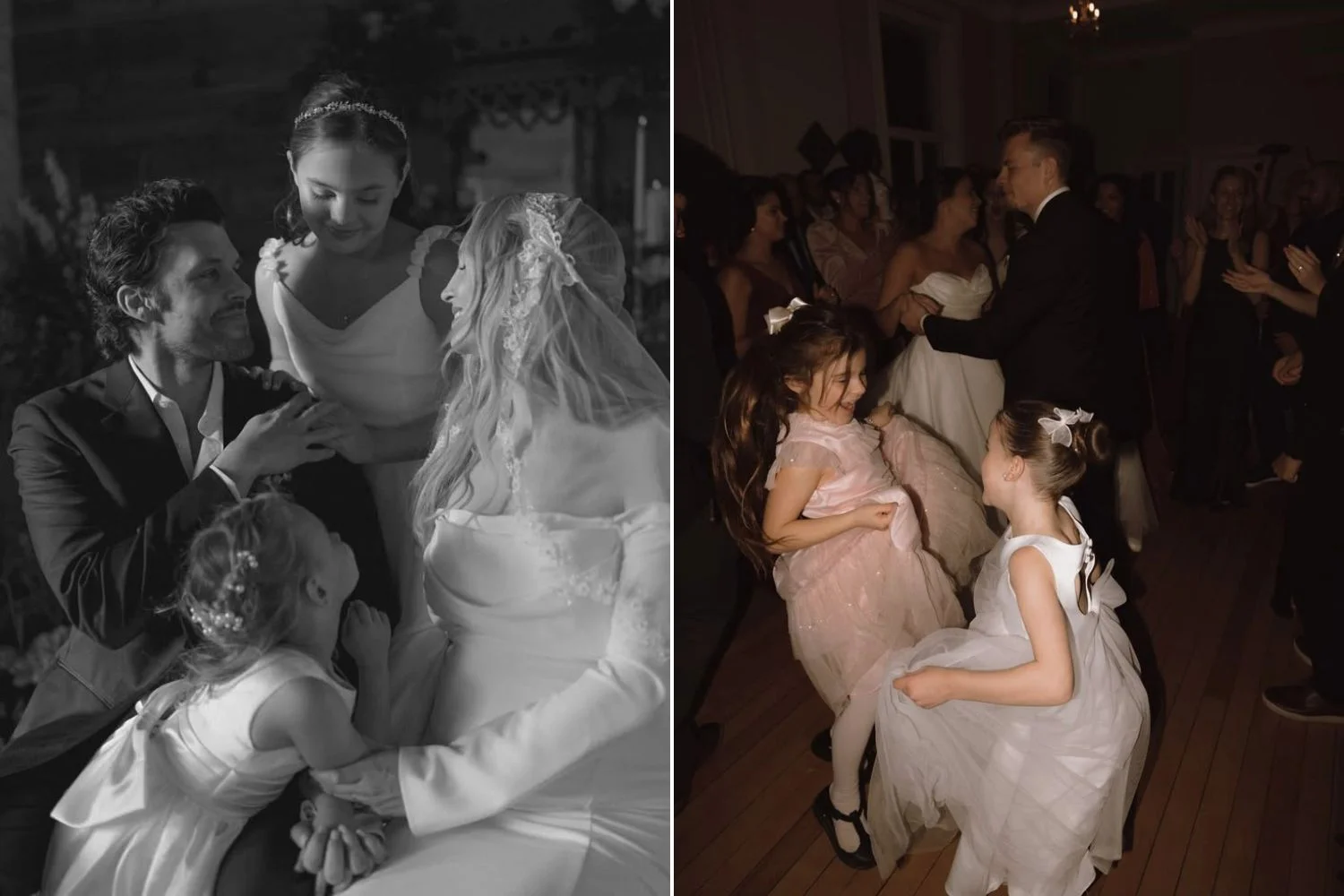
A flower girl only wedding setup is quite common. Guests usually understand that children involved in the ceremony are part of the event itself, not general attendees.
Other possible exceptions include immediate family (nieces, nephews), and infants who can’t easily be separated from parents.
If you do allow exceptions, try to keep your reasoning consistent. That’s what helps avoid confusion—or worse, comparisons.
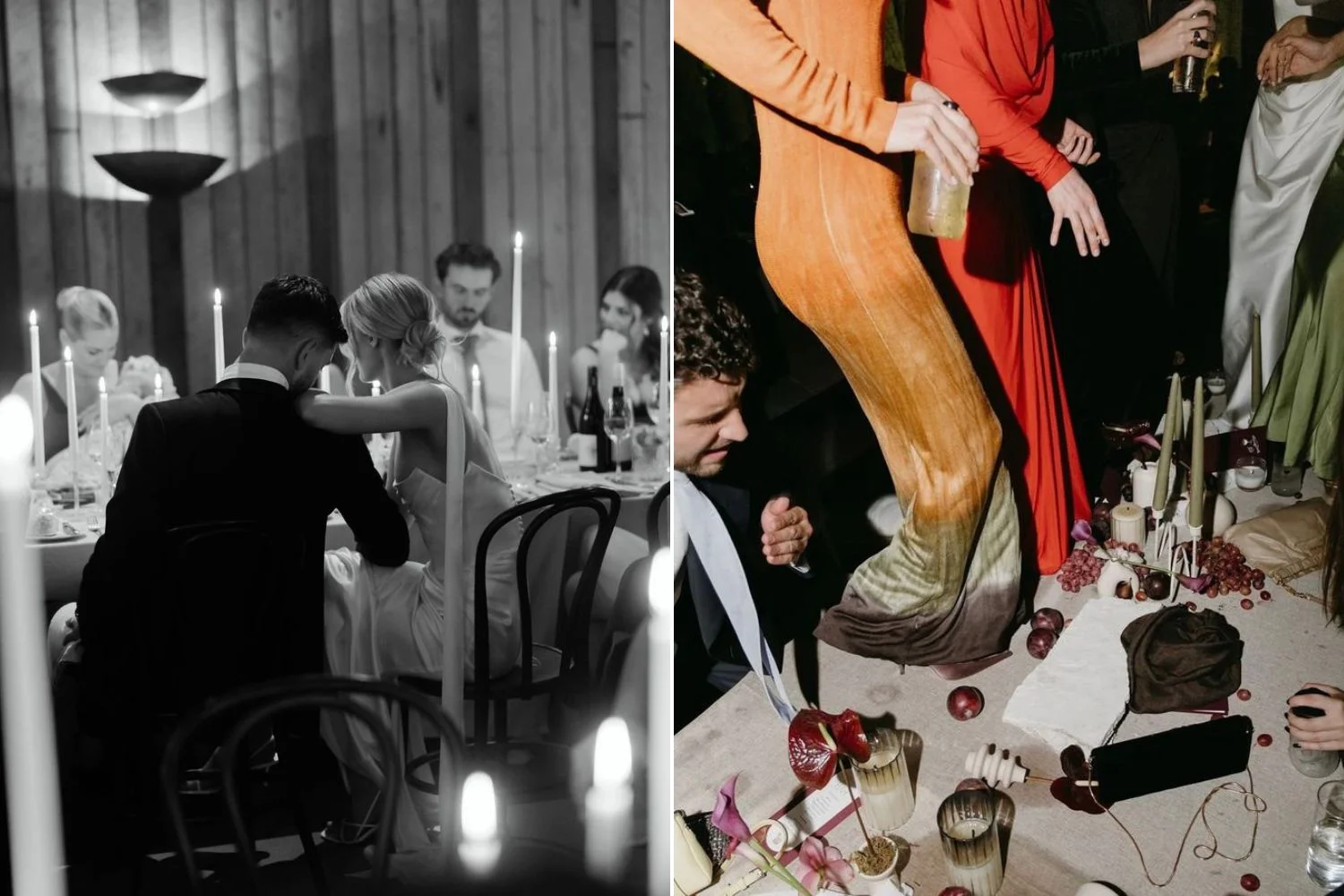
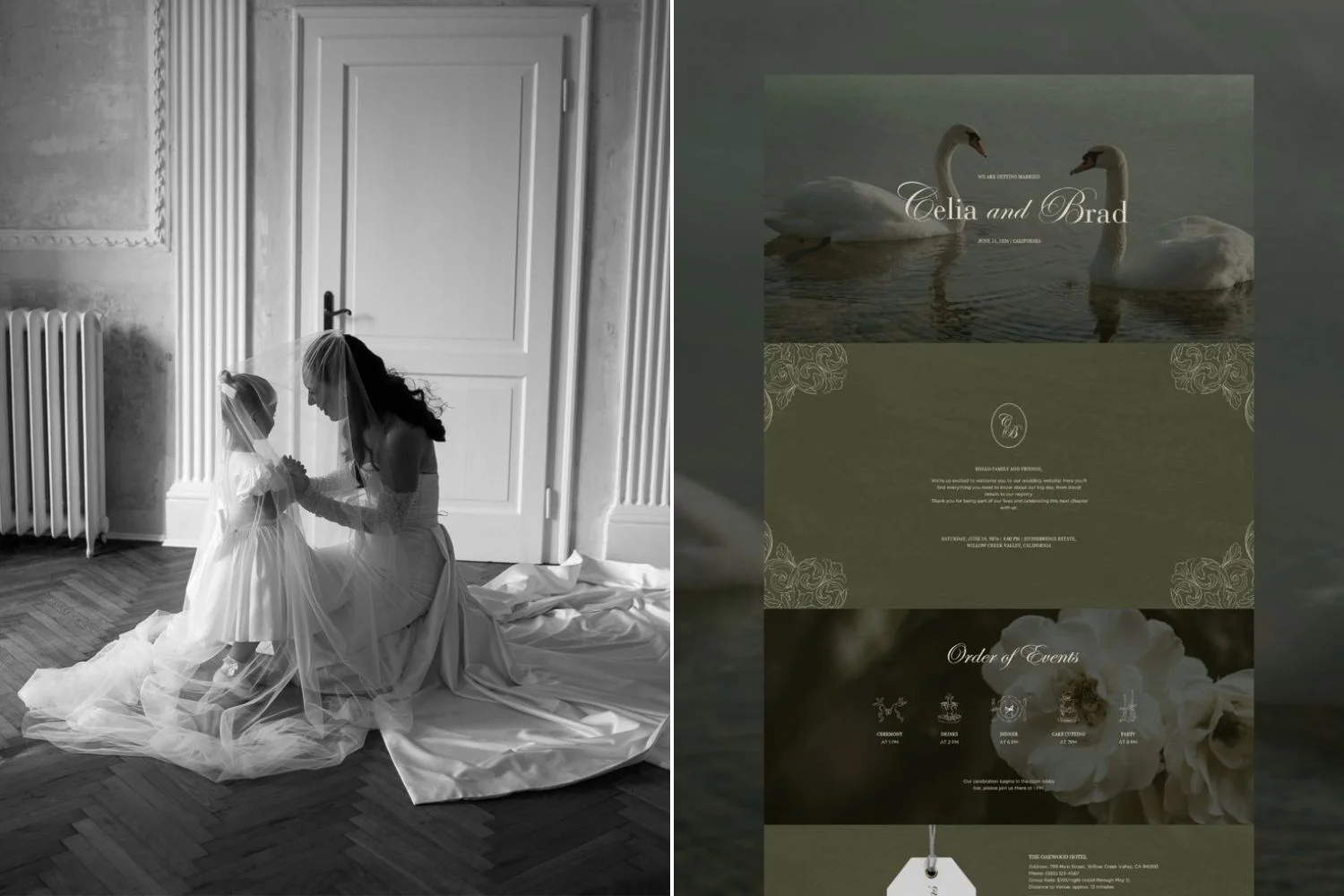
Photo (right): KAYLEE MELANCON
Handling Family Expectations and Pressure
Family expectations can be the hardest part of all this. Some relatives may assume their children are automatically invited, especially if your family tends to host large, inclusive gatherings.
When that happens, keep your response simple and calm. You don’t need a long explanation. Something like, “We’ve decided to keep the wedding adults-only, but we hope you can still come,” is usually enough.
It might feel awkward in the moment, but most people move on quicker than you’d expect.
How to Say No Children Wedding: Wording That Works
This is where things get practical. Finding the right adult only wedding wording is really about striking a balance between clarity and kindness. You don’t need to overthink it, simple and direct usually works best.
Adult Only Wedding Wording for Invitations
Your invitation sets the tone, so it’s the best place to be clear from the start. One of the easiest ways to do this is by addressing the invitation only to the people who are invited.
You can also include a short note, such as “we respectfully request an adults-only celebration” or “kindly note this will be an adult-only event”.
Polite Wedding Invitation Wording Examples
If you want something a bit softer in tone, these polite wedding invitation wording options tend to work well:
“We love your little ones, but we’ve chosen to keep our wedding adults-only.”
“To allow everyone to relax and enjoy the evening, this will be an adults-only celebration.”
None of these feel harsh, but they’re clear enough to avoid confusion.
Wedding Invitation Rules You Should Follow
A few small details can make a big difference when it comes to wedding invitation rules:
Address envelopes only to invited guests
Avoid using “and family” unless children are included
Match your wording across invitations, RSVP cards, and your website
It might seem minor, but consistency is what keeps things running smoothly.
Creative Ways to Communicate an Adult Only Reception
Not everyone reads invitations carefully. That’s why it helps to reinforce your message in a few different places without making it feel repetitive.
Wedding Website Messaging Tips
Your wedding website gives you a bit more space to explain things naturally. A short note in your FAQ section works well:
“While we adore your children, we’ve decided to make our wedding an adults-only event. Thank you for understanding!”
It feels conversational and less formal than the invitation itself.
RSVP Cards and Details Inserts
RSVP cards can quietly reinforce your guest list without making a big deal of it. For example:
“We have reserved ___ seats in your honor.”
This makes it clear how many people are invited, no guessing required.
Using Clear but Kind Language
It’s tempting to soften the message too much, but that can backfire. Vague wording often leads to assumptions, and assumptions lead to awkward follow-ups later.
Clear and kind is always better than clever and confusing.
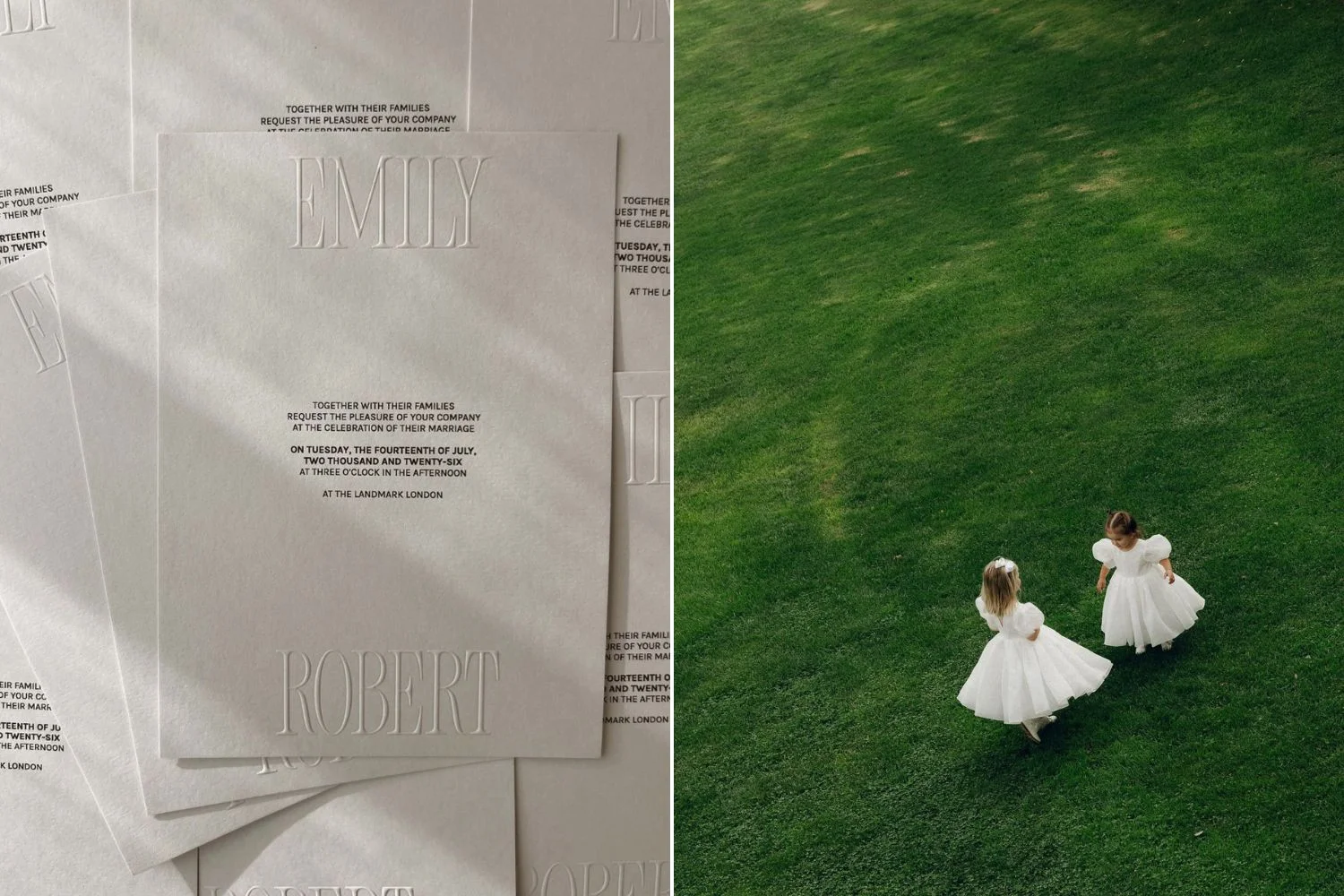
Photo (left): TAMARA VIDMAR
Special Cases: Flower Girl Only Wedding and Close Family
Special situations can complicate things a bit, especially if you’re allowing some children but not others. A flower girl only wedding is a good example. It’s common, but it does require a bit of explanation if guests ask.
Including a Flower Girl or Ring Bearer Only
Children in the wedding party are generally understood to be part of the ceremony itself. Most guests won’t question it, especially if it’s limited to those roles.
If it comes up, keep your explanation simple. No need to over-justify it.
Immediate Family Exceptions Explained
Allowing immediate family children can feel like a natural compromise, but it can also raise questions. Guests might wonder why some kids are included while others aren’t.
There’s no perfect solution here. Just be prepared for a few follow-up questions and keep your answers consistent.
Keeping It Fair and Consistent
If there’s one thing that prevents wedding guest list drama, it’s consistency. Once you set your criteria, stick to it.
Changing rules mid-way or making too many exceptions tends to create more stress than it solves.
Managing Wedding Guest List Drama
Even with perfect planning, a little wedding guest list drama is almost inevitable. Someone will ask. Someone might push back. It happens.
The key is how you respond.
How to Respond to Pushback Politely
When guests question your decision, keep things calm and straightforward:
“We’ve decided to keep the wedding adults-only, but we’d love for you to join us.”
You don’t need to explain beyond that unless you want to.
What to Say When Guests Ask for Exceptions
Requests for exceptions are common, and honestly, expected. A consistent response helps:
“To keep things fair, we’re not making exceptions, but we really hope you can make it.”
It might feel repetitive, but it works.
Staying Firm Without Damaging Relationships
You can be kind and firm at the same time. Acknowledge their situation, but don’t feel pressured to change your plans.
Most guests understand, even if they need a moment to adjust.
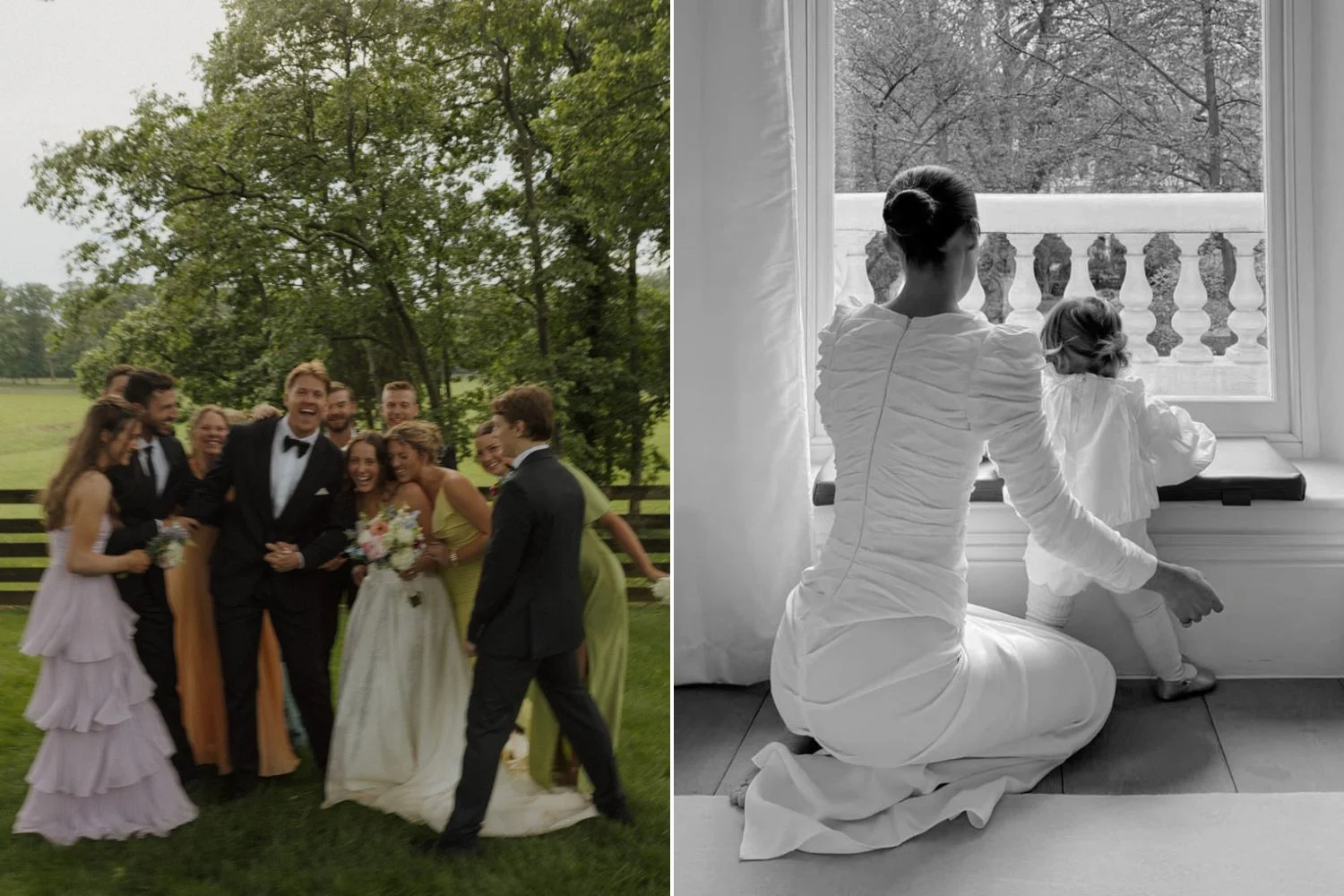
Photo (left): LANEJ PHOTOGRAPHY
Tips to Make Guests Comfortable with a Child-Free Wedding
A little consideration goes a long way. When handled thoughtfully, an adults-only wedding can actually feel like a welcome break for many guests.
Giving Advance Notice
The earlier you communicate your plans, the better. This gives guests time to arrange childcare and avoids last-minute stress.
Helping Guests Arrange Childcare
If you want to go the extra mile, you can suggest local babysitting services or share recommendations for out-of-town guests.
It’s not required—but it’s a nice touch.
If you’re concerned about excluding families, small gestures can help. A casual brunch the next day or a livestream of the ceremony can make guests feel included in a different way.
Choosing an adults-only wedding is a personal decision, and it’s more common than ever. With the right adult only wedding wording and a clear understanding of etiquette for child free wedding, you can communicate your plans without unnecessary stress or confusion.
In the end, your wedding should reflect what matters most to you. Be clear, be kind, and stay consistent. Some guests might need a moment to adjust, but once they do, they’ll be there to celebrate with you, exactly as you intended.
This website uses cookies to improve the user experience and optimize its performance. By continuing to use this website, you agree to the use of cookies on this website.
Read more

 share
share