Something has shifted in weddings lately, and you can feel it almost instantly. The big, one-night production is slowly giving way to something more relaxed, more layered—more real, in a way. Enter the multi day wedding weekend. Not just a trend, but more like a mindset. Couples aren’t just planning a wedding anymore, they’re hosting people… somewhere beautiful… for a few days. And that changes everything.
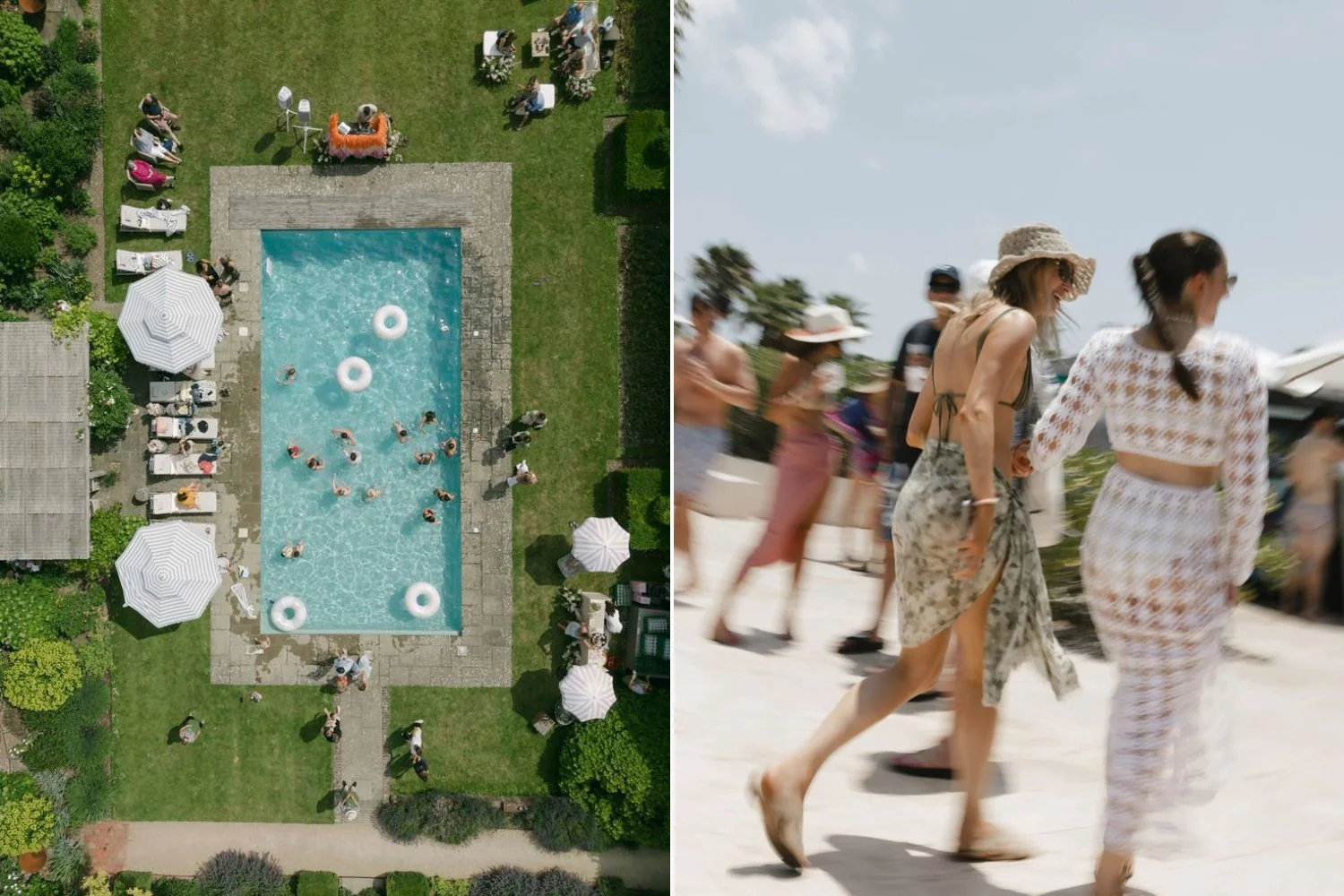
You see it in the details. A wedding welcome party that actually feels like a party, not a pre-event obligation. Mornings where guests wander off for coffee, or maybe join a hike if they’re feeling ambitious. Afternoons that stretch out by the pool. It’s a weekend wedding celebration, yes—but also a shared pause from real life. A little escape. Very White Lotus, minus the drama.
What Is a “White Lotus” Destination Weekend?
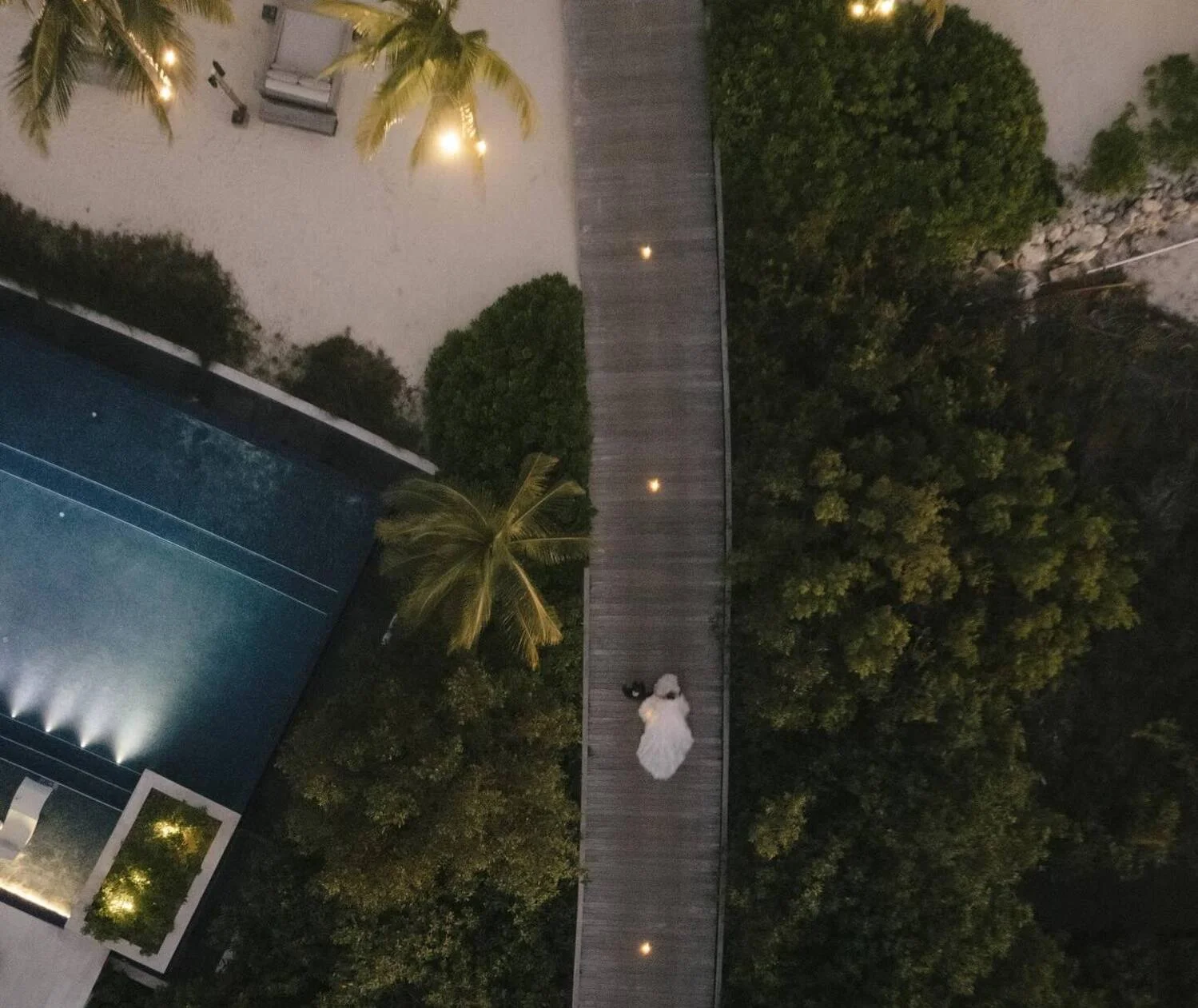
It’s a bit of a vibe, honestly. A White Lotus destination weekend isn’t defined by a checklist—it’s more about how everything feels when you’re there. Slightly indulgent, a little slow, very considered. Usually set somewhere that already does half the work for you: ocean views, dramatic hills, warm air that makes everyone loosen up within hours.
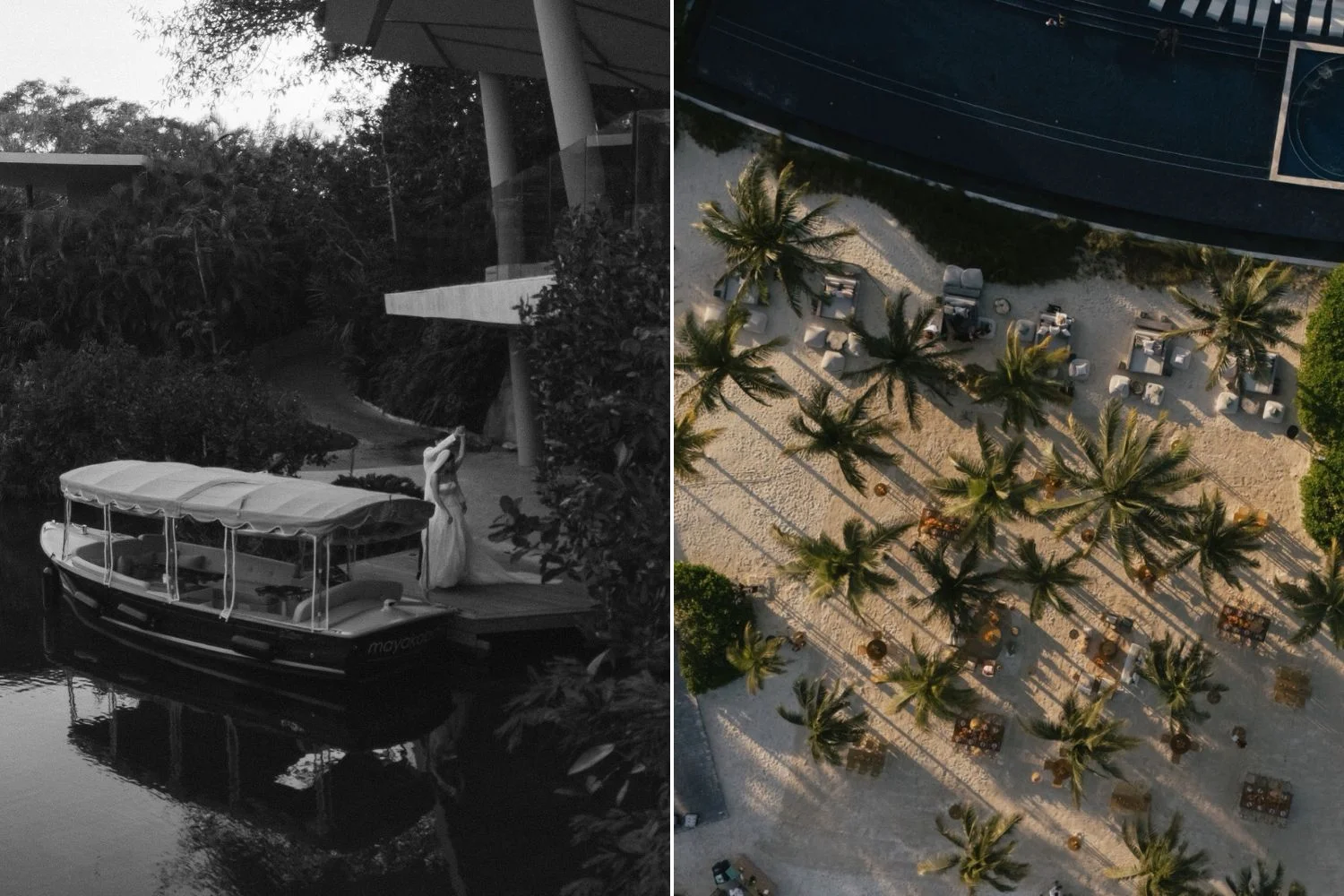
Most of these weddings center around a private villa wedding or a small-scale resort takeover. Guests stay close, paths cross naturally, and there’s this low-key sense of “we’re all in this together for a few days.” No rushing between venues. No disappearing crowds.
It’s also where the idea of an experiential wedding really lands. You’re not just attending—you’re kind of living inside it for a bit.
Photos: LAURENA LATRISTE
The Inspiration Behind the Trend
There’s definitely a cultural influence here. Shows like The White Lotus didn’t invent luxury travel, but they reframed it. Suddenly, it wasn’t just about where you go—it was about the atmosphere, the people, the slightly surreal feeling of being removed from normal life.
Couples picked up on that.
Instead of asking, “Where should we get married?” they’re asking, “Where do we want everyone to be for a few days?” That’s a different question. It leads to different choices—more remote villas, less obvious destinations, places with character instead of just popularity.
There’s also less interest in impressing a huge crowd. Smaller groups mean better conversations, longer dinners, fewer awkward table assignments. It’s not groundbreaking, but it’s… refreshing.
Why Couples Are Choosing Multi-Day Wedding Weekends
Part of it is practical. If people are flying somewhere, taking time off, booking hotels—you kind of want it to feel worth it. A single evening doesn’t always justify that anymore.
But there’s also something else. Traditional weddings can feel compressed. You spend months planning, and then it’s over in what feels like a few hours. A multi day wedding weekend stretches that out. Gives it space.
A few reasons couples are leaning this way: you actually get to talk to people, guests settle in instead of rushing in and out, the energy builds naturally over time, there’s room for different moods—not just “formal celebration”.
It ends up feeling less like a performance, more like a shared experience. Which, when you think about it, makes a lot more sense.
Planning a Multi Day Wedding Weekend
This is where things can either feel effortless—or quietly chaotic. Planning a multi-day event sounds dreamy, but it does require a bit more thought than a traditional format.
The biggest shift? You’re not just planning a wedding day. You’re shaping a destination wedding itinerary that people will live inside for a few days. That means pacing matters. Energy matters. Even small logistical things—like how far guests have to walk between events—start to matter more than you’d expect.
The goal isn’t to fill every hour. It’s to create a rhythm.
Designing a Realistic Destination Wedding Itinerary
A good itinerary doesn’t feel like an itinerary. That’s usually the sweet spot. You want just enough structure so guests know what’s happening—but not so much that it feels like a schedule they have to follow. Think gentle anchors throughout the day.
A simple 3-day flow often looks like this:
Day 1: Arrival + wedding welcome party
Day 2: Free morning, optional wedding guest activities, then ceremony and reception
Day 3: Late brunch, slow goodbyes
Give people space in the morning. Some will sleep in, others will sign up for a hike or a cooking class. By the time the ceremony rolls around, everyone feels present—not rushed.
And small note: always build in buffer time. Things run late, people linger – that’s part of it.
Finding the Right Private Villa Wedding or Boutique Resort
The venue really carries the whole experience. A private villa wedding works so well because it removes friction. Everyone’s in one place. You don’t lose time transporting guests or resetting spaces over and over.
But villas aren’t the only option. Smaller resorts—especially ones you can partially or fully take over—offer a similar feeling, with added support.
A few things to look for:
On-site or nearby accommodations
Multiple spaces for different events
A layout that encourages people to naturally gather
Access to local experiences
For a luxury destination wedding 2027, couples are moving slightly off the obvious path. Still beautiful, still elevated—but less crowded. Places that feel discovered, not overexposed.
If there’s one thing defining this whole shift, it’s this: people care how it feels to attend a wedding now. Not just how it looks.
An experiential wedding works because guests aren’t just watching something unfold—they’re part of it. But that only works if the experience feels natural, not over-produced.
Photos: LAURENA LATRISTE
Wedding Guest Activities That Actually Feel Fun
Not every activity needs to be a “thing.”
In fact, the best wedding guest activities are often the simplest ones. A morning walk. A casual cooking session. Even just a well-set-up pool area with good music can do the job.
Some ideas that tend to land well:
Light hikes with a view at the end
Cooking classes that turn into lunch
Boat days that feel slightly unplanned
Yoga, but not too early
The key is making everything feel optional. The moment it feels mandatory, the energy shifts. People want to choose how they spend their time—that’s part of what makes it feel like a getaway.
Creating a Weekend Wedding Celebration That Flows
Flow is subtle, but you notice when it’s off. A good weekend wedding celebration moves without friction. Guests know where to go without overthinking it. Events start naturally. Nothing feels too rigid.
A few quiet ways to help that:
Keep locations close
Don’t stack too many “big” moments back-to-back
Let one event ease into the next
Keep communication simple and clear
You’re not directing a show—you’re hosting an environment. That mindset shift makes a big difference.
Photos: LAURENA LATRISTE
The Core Events of the Weekend
Even with all the extra layers, a few moments still anchor everything. These are the points where everyone comes together, collectively.
The Wedding Welcome Party
This one sets everything in motion.
A good wedding welcome party feels easy. People arrive, grab a drink, start talking. No pressure to perform, no heavy structure. It’s more about breaking that initial awkwardness—especially when not everyone knows each other.
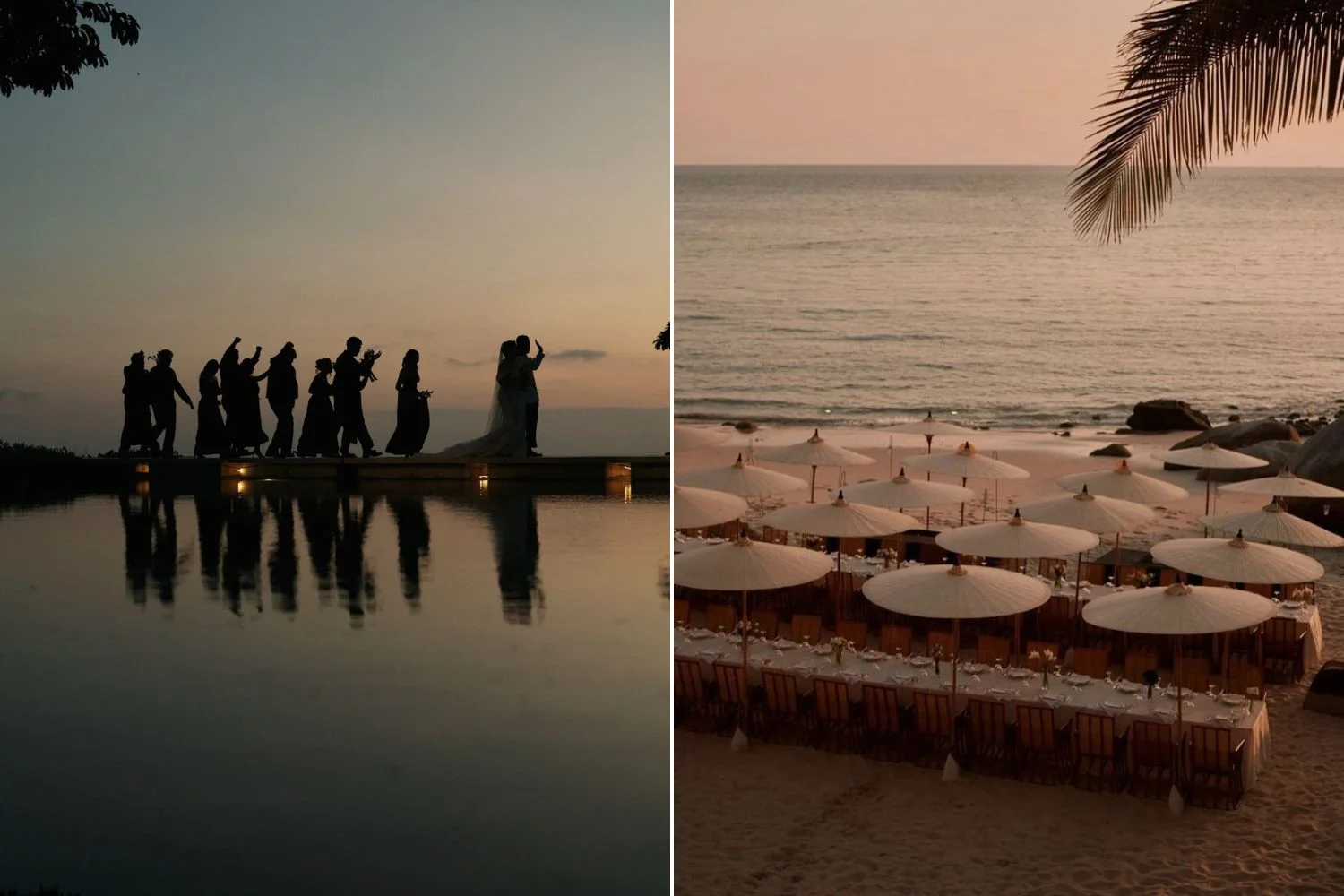
Outdoor settings work best here. Sunset helps. Music that’s present but not overpowering helps more.
You don’t need much else.
Ceremony & Reception with a Resort Wedding Style Approach
By the time the ceremony happens, something has shifted. Guests aren’t strangers anymore. There’s context, familiarity. That changes the energy completely.
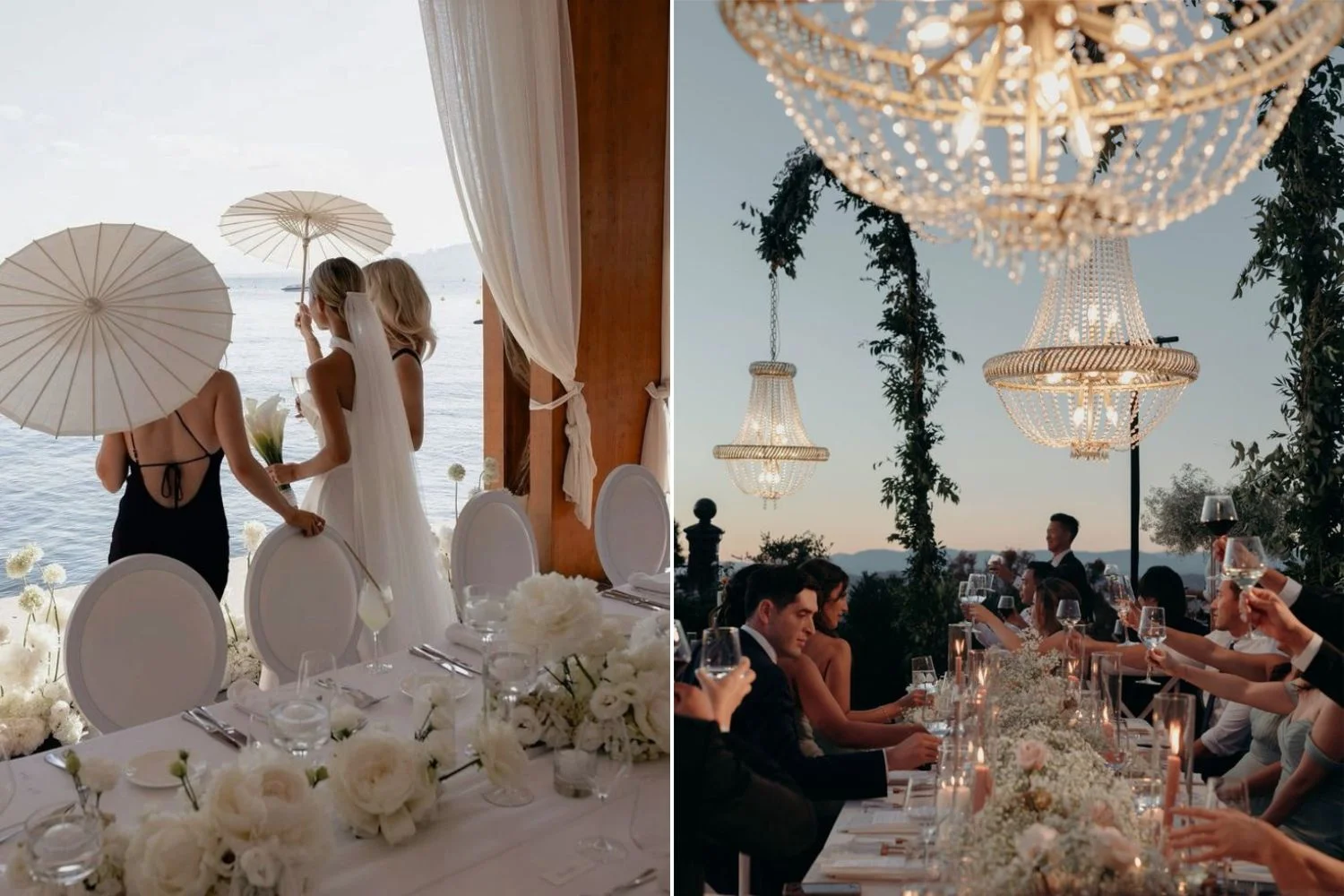
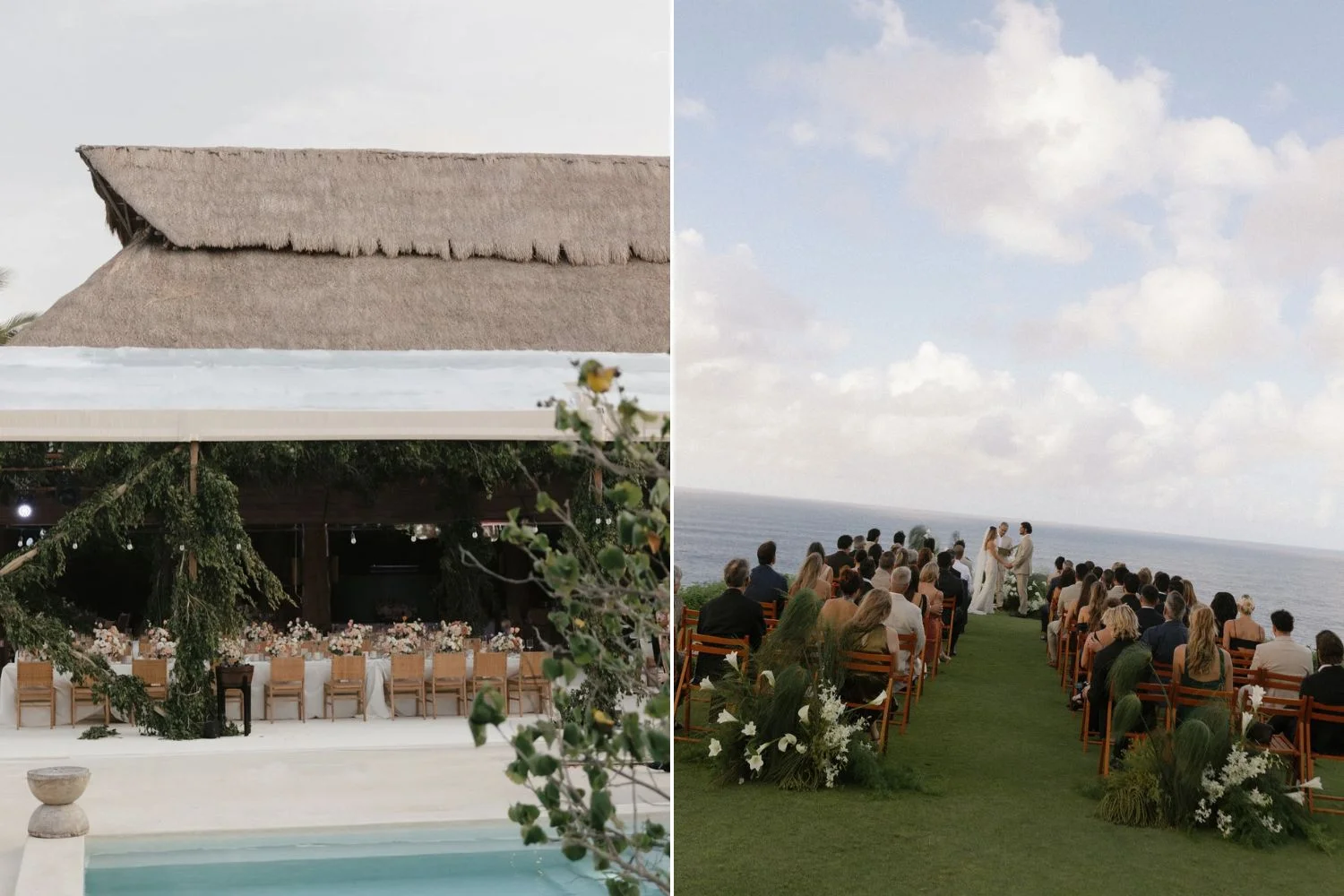
A resort wedding style approach leans into that. Less rigid timelines, more openness. Ceremonies that feel connected to the setting. Receptions that stretch out a bit—long tables, shared meals, conversations that don’t get cut off too quickly.
It doesn’t need to be overly styled. The location, the people, the timing—they do a lot of the work already.
Photos: LAURENA LATRISTE
Destination Bridal Fashion Across the Weekend
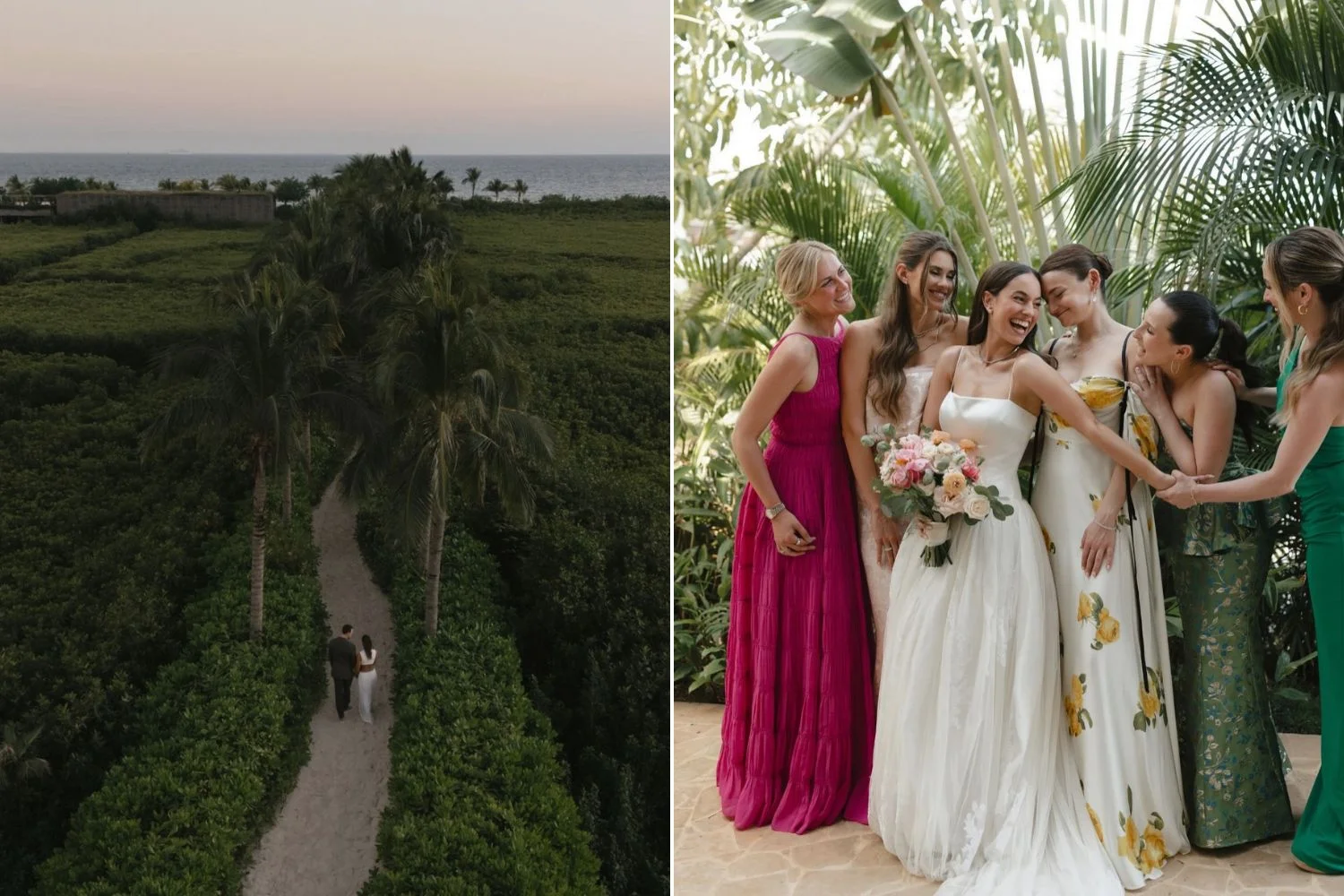
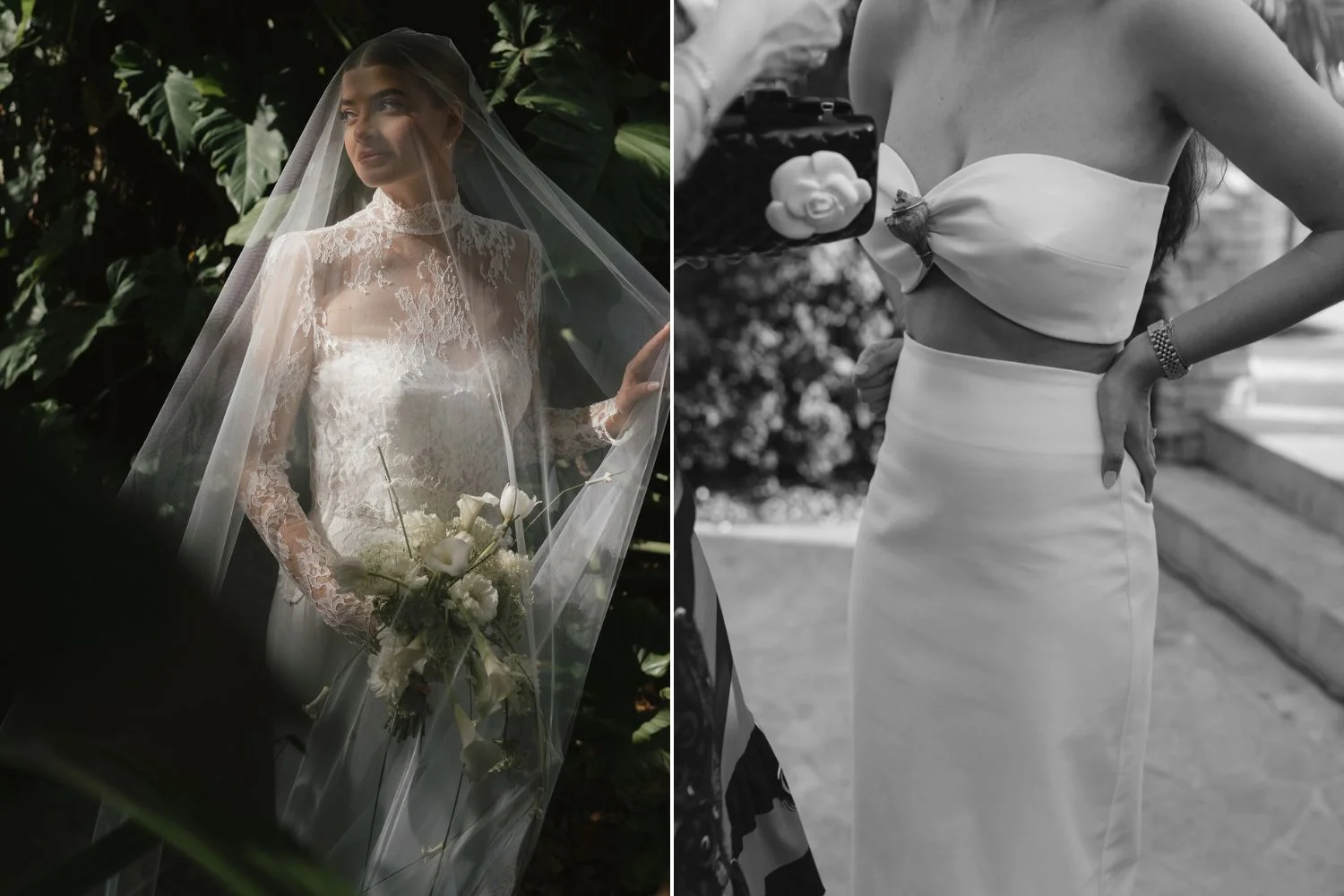
This is where things have quietly become more interesting. Destination bridal fashion isn’t just about “the dress” anymore—it’s about a series of looks that match the rhythm of the weekend.
And honestly, it makes more sense this way.
What Brides Are Actually Wearing
Instead of one big reveal, there are multiple smaller moments.
Ceremony: still important, but often lighter, easier to move in
Reception: a change—shorter, sharper, more playful
Brunch: almost undone, in a good way
Comfort is a bigger priority than it used to be. Heat, terrain, long hours—they all factor in. No one wants to be adjusting their outfit all night.
Fashion for a Luxury Destination Wedding 2027
Looking ahead, luxury destination wedding 2027 style is less about rules, more about range.
You’ll see:
Pieces that transform instead of full outfit changes
Softer fabrics that move with the environment
Less “bridal” in the traditional sense
More personality, less uniformity
It’s subtle, but noticeable. Brides are dressing for the setting, not just the photos.
Photos: LAURENA LATRISTE
The White Lotus destination weekend isn’t really about copying a show or chasing a trend. It’s about slowing things down just enough to make the whole experience feel fuller. A multi day wedding weekend gives space—for conversation, for spontaneity, for moments that don’t fit neatly into a timeline.
And that’s probably why it’s sticking around. A weekend wedding celebration doesn’t just look good—it feels better to be part of.
If you’re planning one, it’s less about doing more and more about doing things with intention. Choose a setting that carries some weight. Build a destination wedding itinerary that breathes, and let people settle into it. The rest tends to follow, naturally.
This website uses cookies to improve the user experience and optimize its performance. By continuing to use this website, you agree to the use of cookies on this website.
Read more

 share
share