AI-Powered Wedding Planning: How to Save 10 Hours a Week
Wedding planning is magical but it also takes a lot of time. For many couples, planning quickly turns into a second full-time job. That’s exactly why AI wedding planner tools and smart digital systems are becoming part of the modern bride toolkit — not to take over the romance, but to handle the repetitive tasks that eat up your week. And we should use all the technologies that are developing to our advantage, so that they make otherwise time-consuming tasks easier for us.
The goal isn’t to let technology plan your wedding. It’s to use wedding automation strategically so you can reclaim up to 10 hours a week. From digital wedding invitations to streamlined guest management and smarter scheduling, today’s tools support your decisions instead of replacing them. Let’s look at how to plan efficiently, stay organized, and still keep your wedding deeply personal.
Why AI Wedding Planning Is Becoming Practical
There’s a misconception that AI-powered wedding planning means handing your entire celebration over to algorithms. In reality, it’s much simpler. Most couples use digital tools for organization, communication, and time management — not creative direction. The big questions of wedding planning still belong to your heart and soul.
Think of it this way: you wouldn’t calculate your taxes by hand if software could do it faster. Wedding planning works the same way. The more efficiently you handle logistics, the more energy you have for meaningful choices like menu tastings, music selection, and personal details, and fewer reasons for disagreements with your loved one. When we are tired and overwhelmed, it is quite easy to argue.
Use technology to remove friction, not personality.
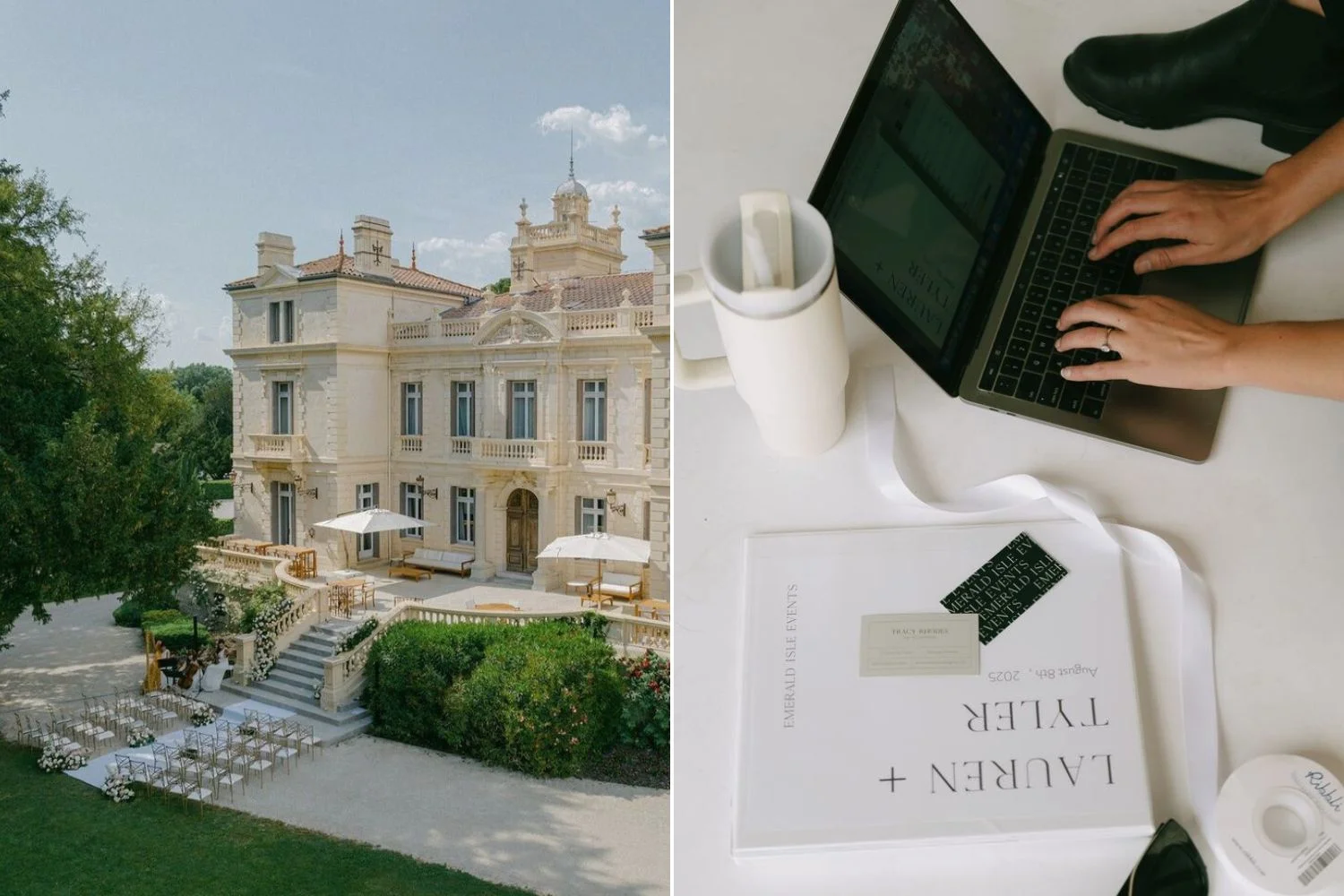
Photo (right): JEREMIIE HKB
The Rise of the Tech-Savvy Bride
Today’s tech-savvy bride is comfortable managing life through apps — banking, travel, fitness, scheduling. Applying that same efficiency to wedding planning feels natural. This isn’t about being trendy. It’s about being realistic. Most couples are balancing careers, social lives, and budgets. Saving even 10 hours a week can reduce stress significantly. You could use this same time better on dates with your fiancé. Planning a wedding doesn't have to be intense and stressful. It should be enjoyable.
An AI wedding planner typically helps with structure and organization. It may track budgets automatically, suggest vendor matches based on filters, organize guest lists, generate planning timelines or even draft basic communication templates.
It doesn’t choose your flowers. It doesn’t write your vows, unless you ask for support. It simply keeps everything in one place and running smoothly.
Photo (right): KREATIV WEDDING
7 Practical Ways to Save 10 Hours a Week
Saving 10 hours doesn’t happen in one big leap. It happens in small, consistent efficiencies.
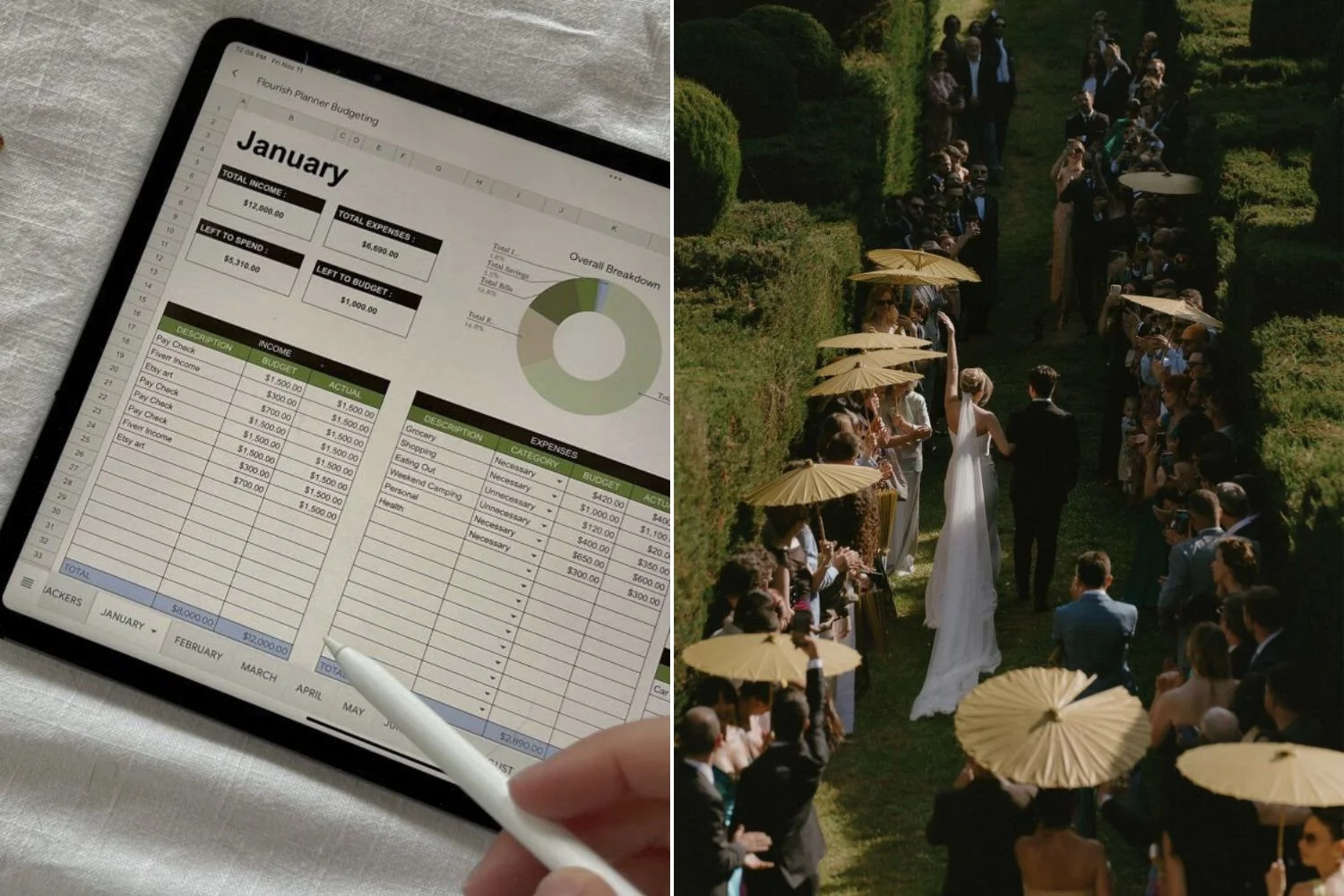
1. Centralized Budget Tracking
Manually updating spreadsheets can take 3–5 hours weekly, especially when juggling deposits and final payments. Budget automation tools categorize expenses, track upcoming payments, flag potential overspending, and update totals in real time
Instead of recalculating numbers constantly, you review a dashboard. That alone can cut budgeting time in half.
2. Smarter Vendor Research
Scrolling through endless reviews is exhausting. You still make the final call, but you start with a refined list instead of hundreds of options. This can save 4–6 hours weekly during peak vendor booking season.
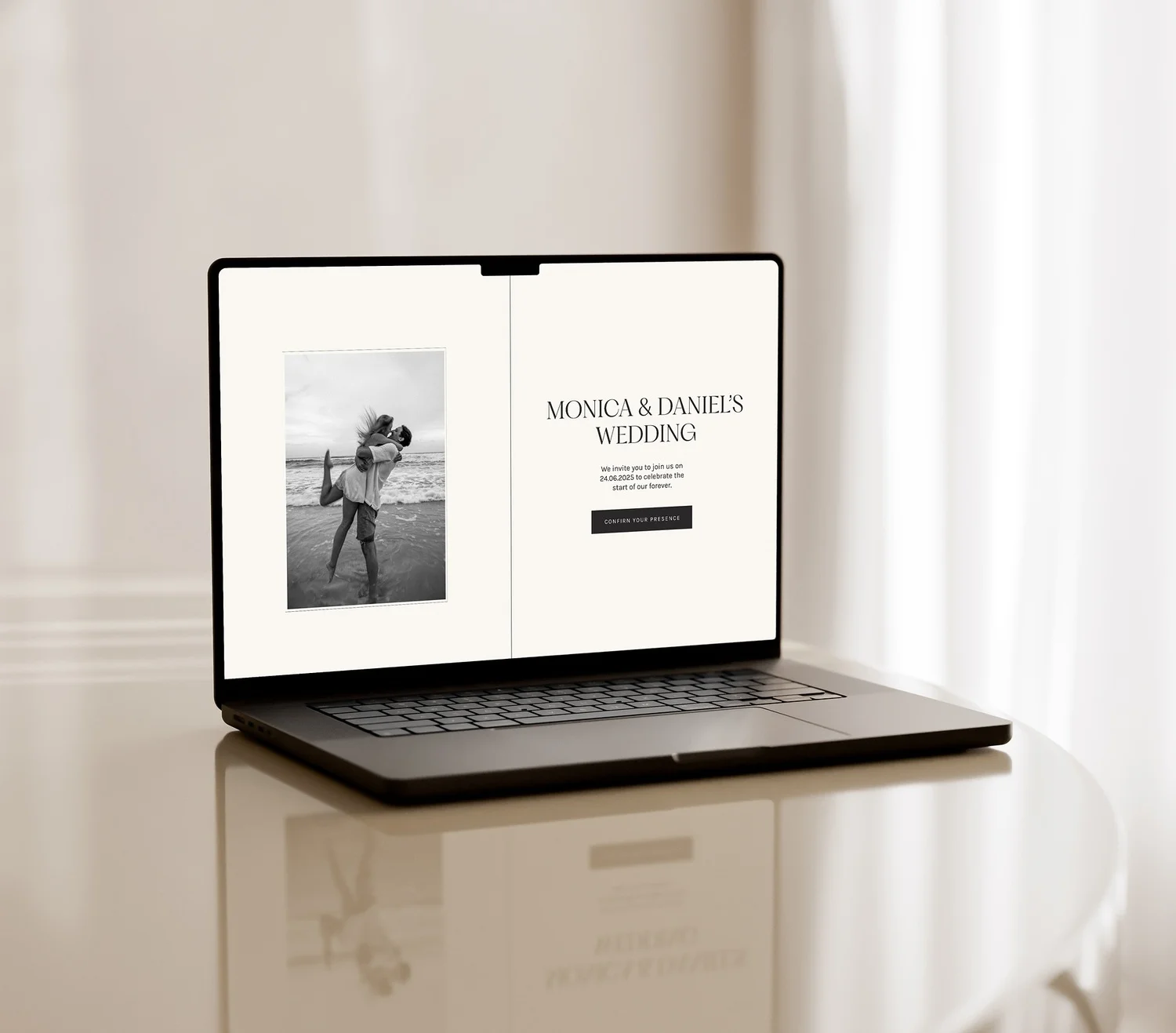
3. Digital Wedding Invitations & RSVP Management
Traditional mail requires printing, addressing, postage tracking, and manual RSVP entry. Digital wedding invitations eliminate most of that.
Paperless post weddings also reduce waste and printing errors. Many couples report saving both time and hundreds of dollars.
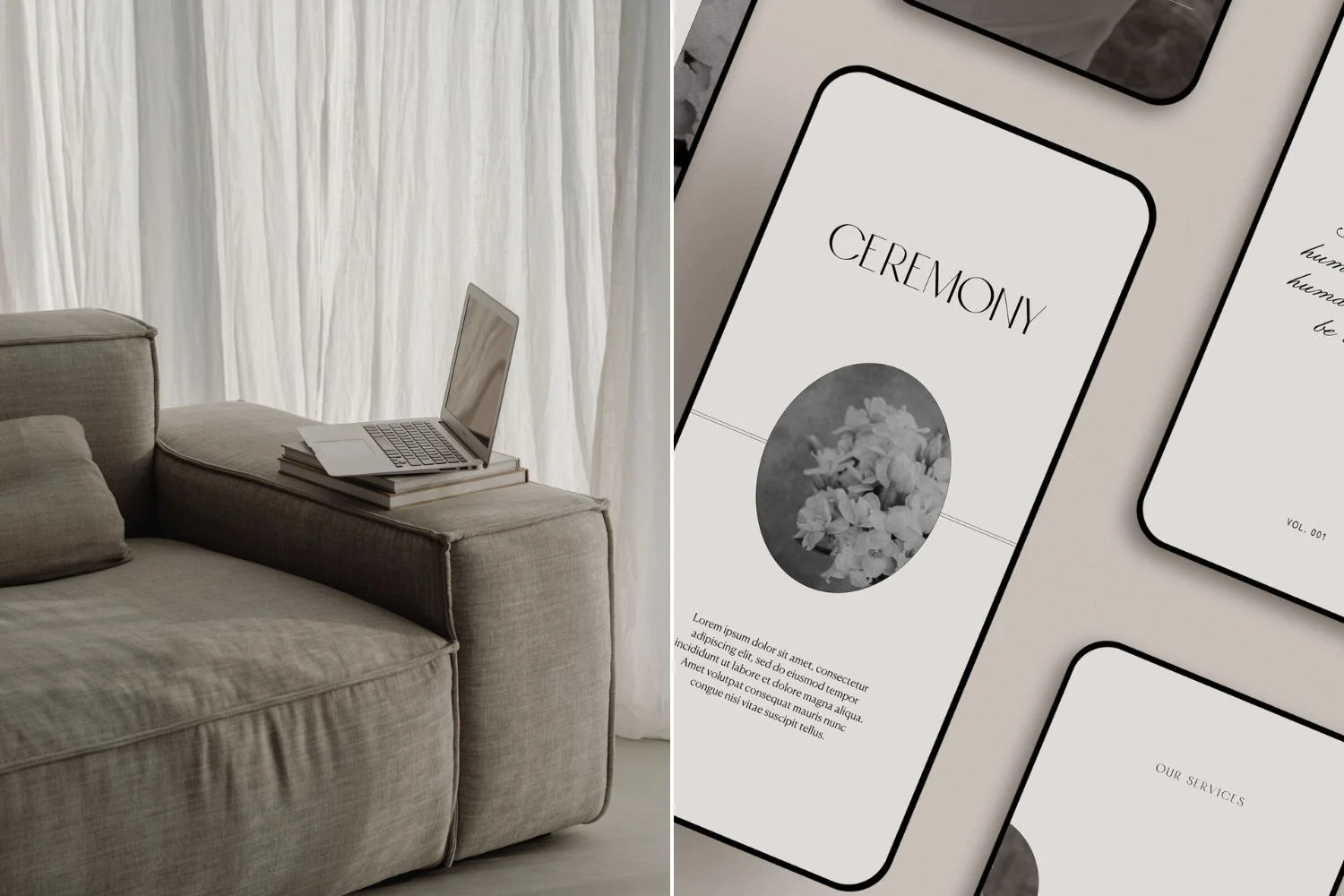
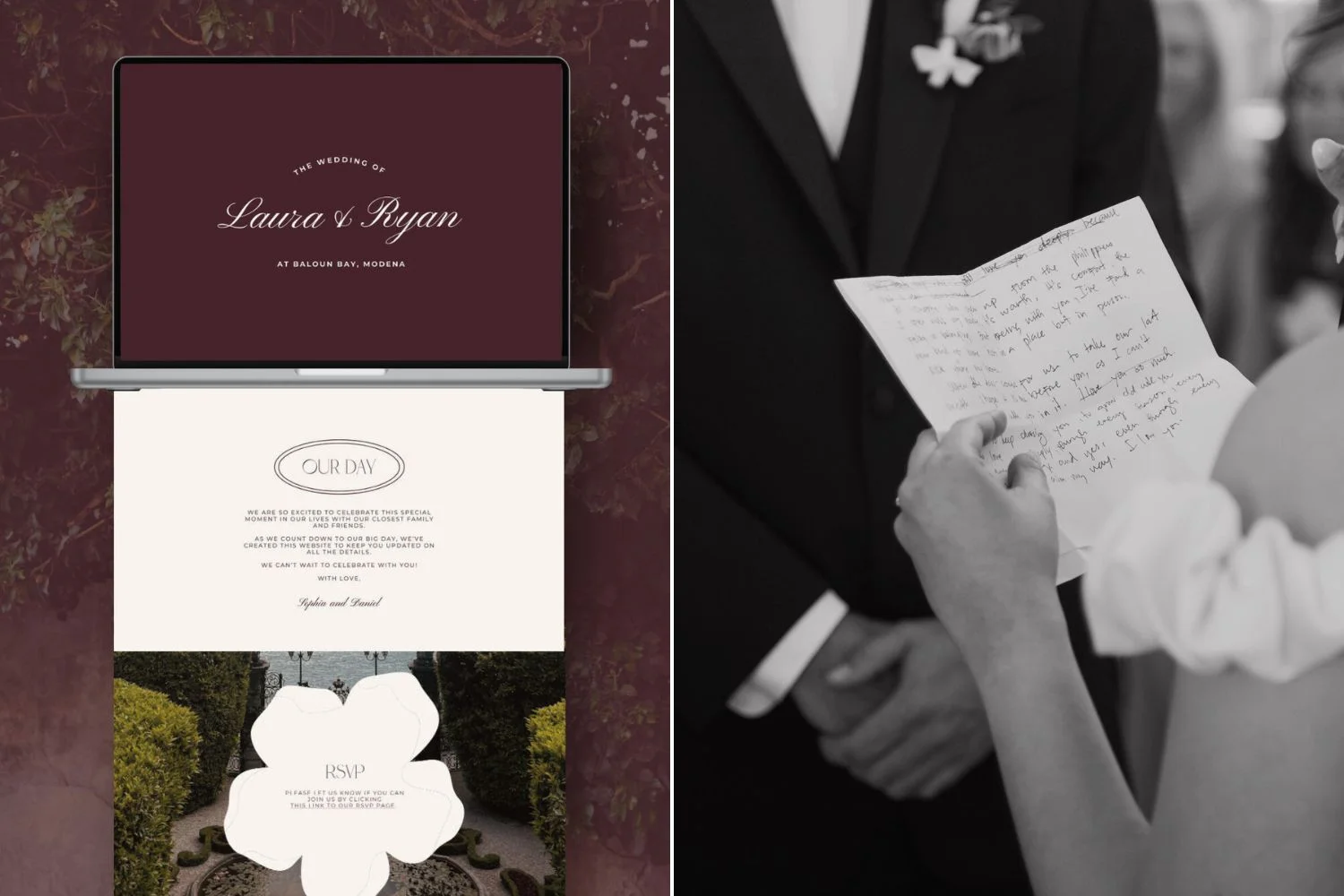
Wedding website trends 2026 focus on personalization and convenience. Modern platforms allow integrated RSVPs, travel and accommodation suggestions, event schedule updates, registry links, and virtual wedding tour previews.
AI can assist in drafting website copy quickly, but you control the tone. The result is a polished site without spending hours staring at a blank page.
6. AI Wedding Speech Support
Writing a speech can take an entire weekend. An AI wedding speech tool can create structured outlines and suggest text variations. You personalize the final version as you want. Instead of starting from scratch, you refine an existing draft. That can reduce writing time from 5 hours to 1 or 2. And it's not impersonal; AI helps build the text, but you put your heart into it yourself.
7. Timeline & Reminder Automation
Missed deadlines create stress. Automated planning tools sync tasks to calendars and send reminders for vendor payments, dress fittings, final headcount confirmations, or rehearsal scheduling.
Instead of constantly checking your to-do list, you rely on structured alerts. This prevents last-minute scrambling.
Photo (right): TAYLOR HOLMES VISUALS
ChatGPT Wedding Planning: Use It Strategically
ChatGPT wedding planning works best as a writing and brainstorming assistant — not a decision-maker.
If you’re unsure about color palettes or decor themes, you can input basic preferences and receive organized suggestions. This helps clarify your vision before meeting vendors.
Clear communication saves time. ChatGPT can help draft initial inquiries, follow-up messages, schedule confirmations and contract clarification questions. You edit before sending, but the drafting process becomes significantly faster.
From “Our Story” to FAQs, website writing can feel awkward. AI provides structure so you’re not starting from zero. You add personal details and adjust tone to fit your voice.
Used thoughtfully, this tool supports efficiency — not automation overload.
Previewing Venues Online
Many venues now offer immersive walkthroughs. These allow you to compare layouts and visualize guest flow without going to these places. Of course, before making a big choice, you should see potential wedding ceremony and celebration venues in person, feel the energy there. However, by walking around the location virtually, it will become clear which ones are worth going to and which ones are not – you can eliminate unsuitable venues before scheduling in-person visits.
The Real ROI: Time, Money, and Energy
The biggest return on wedding automation isn’t just time — it’s reduced stress.
Estimated Weekly Time Savings
Task
Time Saved
Budget updates
3–4 hours
Vendor research
4–5 hours
Guest management
3–5 hours
Communication drafting
2–3 hours
Website content
2–3 hours
Scheduling & reminders
2–3 hours
Modern Bride Tools Worth Using
You don’t need every platform available. Start with:
A centralized AI wedding planner dashboard
Budget tracking software
Digital wedding invitations
A wedding website aligned with wedding website trends 2026
RSVP automation
AI wedding speech drafting assistance
Adopting even a few can dramatically reduce workload.
How to Start Without Overdoing It
Begin small.
Move your guest list to a digital platform.
Automate RSVP tracking.
Use ChatGPT wedding planning for drafting emails and website copy.
Implement a synced budget tracker.
Gradual integration prevents overwhelm. Within weeks, you’ll notice smoother coordination and fewer late-night planning sessions.
AI-powered wedding planning isn’t about turning your big day into a tech experiment. It’s about removing unnecessary friction. By using AI wedding planner tools, digital wedding invitations, and thoughtful wedding automation, you can reclaim many hours a week — without sacrificing warmth or creativity.
The most successful modern bride tools don’t replace your vision. They support it. When logistics are streamlined and communication is clear, you gain something invaluable: time to enjoy your engagement. That’s what this season of life should be about.
This website uses cookies to improve the user experience and optimize its performance. By continuing to use this website, you agree to the use of cookies on this website.
Read more

 share
share